

Navigating the Challenges of Urban Deliveries: Strategies for Efficiency
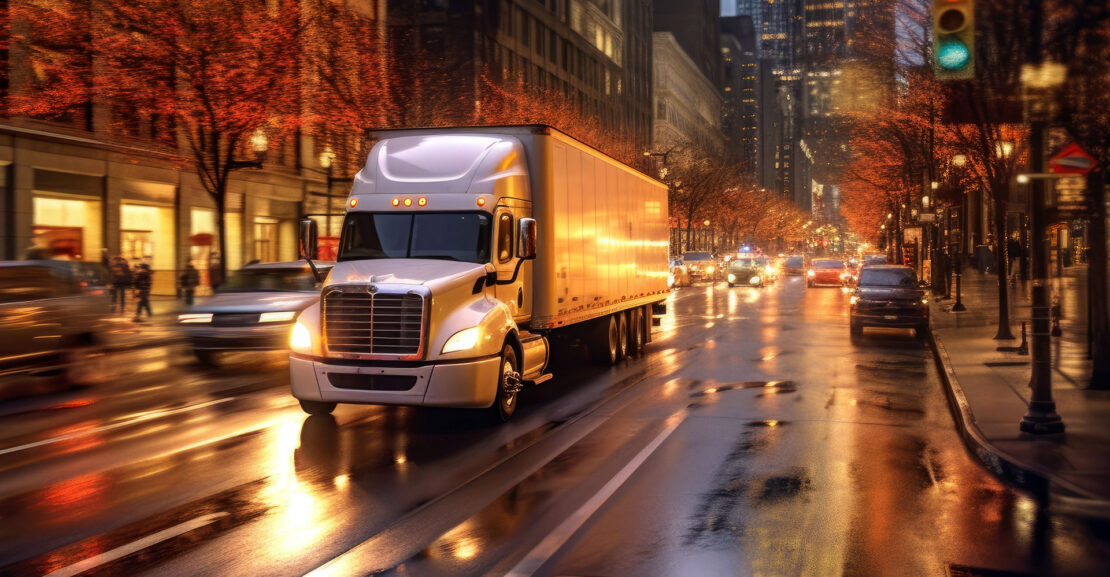
The efficient delivery of goods and services is crucial for businesses operating in Southern California’s urban areas. However, the challenges posed by traffic congestion, limited parking availability, and complex regulations can make urban delivery a difficult task. As the importance of timely and cost-effective delivery increases, companies must find innovative ways to overcome these obstacles and stay competitive.
KEY TAKEAWAYS
- Diverse Challenges: Urban delivery in Southern California faces multiple challenges including high traffic congestion, limited parking availability, narrow roads, and stringent regulatory frameworks. These factors collectively impede delivery efficiency, highlighting the need for tailored solutions in urban logistics.
- Strategic Adaptations: The adoption of advanced technology for route optimization, the diversification of vehicle fleets, and enhanced logistics planning are crucial. These strategies help businesses adapt to real-time conditions and optimize delivery processes, ultimately improving efficiency and customer satisfaction.
- Future Innovations and Collaboration: Looking forward, the integration of non-traditional delivery methods such as drone deliveries and autonomous delivery robots, alongside active policy advocacy and collaboration with local authorities, presents promising avenues to mitigate urban delivery challenges effectively.
Understanding Urban Delivery Challenges in Southern California
Southern California’s urban areas present a unique set of challenges for delivery services. The region’s notorious traffic congestion, limited parking availability, narrow roads, and regulatory hurdles can significantly impact the efficiency of delivery operations.
High Traffic Congestion: One of the most prominent issues is high traffic congestion. The dense traffic in cities like Los Angeles and San Diego can greatly increase delivery times, leading to delays and customer dissatisfaction. For example, a case study of a food delivery service in downtown Los Angeles revealed that during peak hours, delivery times increased by an average of 30% due to heavy traffic.
Limited Parking Availability: Limited parking availability is another major concern for delivery drivers. Many city centers have strict parking restrictions and limited spaces, making it difficult for drivers to find suitable parking spots close to their delivery destinations. This issue is particularly evident in downtown areas, where businesses often struggle with the lack of convenient parking options for their delivery vehicles.
Tight Spaces and Narrow Roads: The presence of tight spaces and narrow roads in many urban areas also poses a challenge for delivery services. Maneuvering large delivery vehicles through compact streets and alleyways can be difficult and time-consuming. Specific areas, such as the narrow streets of Santa Monica or the crowded downtown districts of San Diego, are known for their frequent delivery bottlenecks.
Regulatory Challenges: Regulatory challenges add another layer of complexity to urban delivery operations. Local regulations, such as parking restrictions, noise ordinances, and emission standards, can impact the way delivery services operate. For instance, some cities in Southern California have implemented ordinances that restrict the hours during which deliveries can be made in residential areas to minimize noise disturbances.
Understanding these challenges is crucial for businesses looking to optimize their delivery services in Southern California’s urban areas. By identifying the specific issues faced in each city, companies can develop targeted strategies to overcome these obstacles and improve their delivery efficiency.
Strategies for Overcoming Delivery Challenges
To navigate the complex urban delivery landscape in Southern California, businesses must adopt innovative strategies and solutions. By leveraging technology, adapting their vehicle fleets, enhancing logistics planning, and collaborating with local authorities, companies can significantly improve their delivery efficiency and overcome the challenges posed by urban environments.
Adoption of Technology: One of the most effective strategies for optimizing urban deliveries is the adoption of advanced technology. The use of GPS and real-time traffic monitoring systems allows businesses to plan optimal routes, avoiding congested areas and minimizing delivery times. Additionally, implementing advanced delivery scheduling software can help streamline operations, reduce costs, and improve customer satisfaction by providing accurate delivery time estimates and enabling efficient resource allocation.
Vehicle Adaptation and Diversification: Investing in a diverse fleet of vehicles, tailored to the specific needs of different urban settings, is another key strategy for overcoming delivery challenges. By incorporating a mix of electric and compact vehicles, businesses can improve their maneuverability in tight spaces and reduce their environmental impact. For example, some companies have successfully implemented the use of electric bicycles and scooters for last-mile deliveries in dense urban areas, allowing for faster and more efficient navigation through congested streets and narrow alleyways.
Enhanced Logistics Planning: Effective logistics planning is crucial for optimizing urban delivery operations. By adopting dynamic routing techniques, businesses can adapt to real-time urban conditions, such as traffic congestion, road closures, and construction zones. A case study of a Los Angeles-based delivery company showcased the benefits of implementing dynamic routing, which resulted in a 15% reduction in delivery times and a 20% increase in daily delivery capacity.
Collaboration with Local Authorities: Collaborating with local authorities is another essential strategy for addressing urban delivery challenges. By partnering with city officials, businesses can work towards developing solutions that benefit both the company and the community. For instance, some successful public-private partnerships have led to the creation of designated loading zones, off-peak delivery programs, and the implementation of urban consolidation centers. These initiatives have helped to reduce traffic congestion, improve parking availability, and enhance the overall efficiency of urban delivery operations.
By employing a combination of these strategies, businesses can effectively navigate the challenges of urban deliveries in Southern California. Adapting to the unique characteristics of each city and continuously innovating will be key to success in this dynamic and demanding environment.
Innovative Approaches and Future Trends
As urban delivery challenges continue to evolve, businesses must stay ahead of the curve by adopting innovative approaches and anticipating future trends. Two key areas of innovation that hold promise for improving urban delivery efficiency are the use of non-traditional delivery methods and policy advocacy.
Use of Non-traditional Delivery Methods
Drone Delivery Trials and Their Potential Impact: The introduction of drone delivery technology has the potential to revolutionize urban delivery operations. Companies like Amazon and UPS are actively testing drone delivery systems, which could significantly reduce delivery times and minimize the impact of traffic congestion on delivery efficiency. While regulatory hurdles and safety concerns still need to be addressed, the successful implementation of drone delivery could greatly benefit businesses operating in dense urban areas.
Autonomous Delivery Robots: Several companies, such as Starship Technologies and Nuro, are developing autonomous delivery robots to tackle last-mile delivery challenges in urban areas. These small, electric-powered robots can navigate sidewalks and bike lanes, avoiding traffic congestion and parking issues. They are designed to deliver small packages, groceries, and meals directly to customers’ doorsteps. While still in the early stages of development and deployment, autonomous delivery robots have the potential to significantly reduce delivery costs, improve efficiency, and provide a contactless delivery option, which became increasingly important during the COVID-19 pandemic.
Crowdsourced Delivery Platforms: Crowdsourced delivery platforms, such as Roadie and Deliv, leverage the power of the gig economy to address urban delivery challenges. These platforms connect businesses with a network of local, non-professional couriers who use their personal vehicles to make deliveries. By tapping into this flexible and scalable workforce, businesses can quickly expand their delivery capacity and reach, without the need for significant investments in their own delivery fleet. Crowdsourced delivery can be particularly effective for same-day and on-demand deliveries in urban areas, as it allows for rapid response to fluctuating demand and real-time optimization of delivery routes based on the location of available couriers.
Policy Advocacy
Efforts to Influence Local Transportation Policies to Favor Efficient Deliveries: Businesses can also play a proactive role in shaping the future of urban delivery by engaging in policy advocacy. By working with local governments and transportation authorities, companies can push for policies that prioritize the needs of delivery services. This could include advocating for the creation of dedicated loading zones, the implementation of congestion pricing schemes that incentivize off-peak deliveries, or the development of urban consolidation centers to streamline last-mile deliveries.
Potential Benefits of Relaxed Regulations: During Off-Peak Hours Another area where policy advocacy could yield significant benefits is in the relaxation of certain regulations during off-peak hours. For example, allowing delivery vehicles to use bus lanes or pedestrian zones during late-night or early-morning hours could greatly improve delivery efficiency while minimizing the impact on other road users. Similarly, extending the hours during which deliveries can be made in residential areas could help businesses avoid peak traffic times and improve their overall delivery performance.
By staying attuned to these innovative approaches and actively participating in shaping future trends, businesses can position themselves for success in the rapidly evolving landscape of urban delivery. Embracing non-traditional delivery methods and engaging in policy advocacy will be critical for companies looking to overcome the challenges posed by Southern California’s urban areas and remain competitive in the years to come.
Embracing Innovation and Collaboration for Efficient Urban Delivery
Navigating the challenges of urban deliveries in Southern California requires businesses to adopt innovative strategies and collaborate with local authorities and community stakeholders. Looking ahead, the future of urban delivery is promising, with the emergence of non-traditional methods like drone technology and bicycle courier services.
To truly overcome the obstacles posed by urban environments, collaboration among companies, local authorities, and the community is essential. By working together to develop comprehensive solutions, businesses can contribute to the creation of more sustainable and livable cities while improving their own delivery efficiency.
FAQs
What are the costs of implementing urban delivery optimization strategies, and how can businesses justify these investments?
The costs of implementing urban delivery optimization strategies vary depending on the specific technologies and solutions chosen. While some investments, like electric vehicles or advanced software, may require significant upfront costs, businesses can justify these expenses by analyzing the potential benefits, such as reduced fuel costs, improved efficiency, and increased customer satisfaction. Many of these investments can lead to long-term cost savings and competitive advantages.
How can businesses measure the success of their urban delivery optimization efforts, and what metrics should they focus on?
To measure the success of urban delivery optimization efforts, businesses should track key performance indicators (KPIs) that align with their goals. Important KPIs include on-time delivery rates, average delivery times, fleet utilization rates, fuel consumption, and customer satisfaction scores. By regularly tracking and analyzing these metrics, businesses can identify areas for improvement and make data-driven decisions. Setting clear benchmarks and targets for each KPI can help businesses track progress and measure success over time.
What are the legal and liability issues businesses may face when adopting non-traditional delivery methods, and how can they ensure compliance and minimize risk?
Adopting non-traditional delivery methods, like drone delivery or autonomous robots, can present legal and liability issues related to privacy, safety, and compliance with regulations. To navigate these challenges, businesses should work with legal experts and regulatory authorities to ensure compliance with applicable laws and guidelines. This may involve obtaining permits and licenses, developing safety protocols, and securing appropriate insurance coverage. Businesses should also stay informed about the latest regulatory developments and be prepared to adapt their operations as needed to minimize risk.