

Winter Driving Tips for Safe and Efficient Fleet Operations
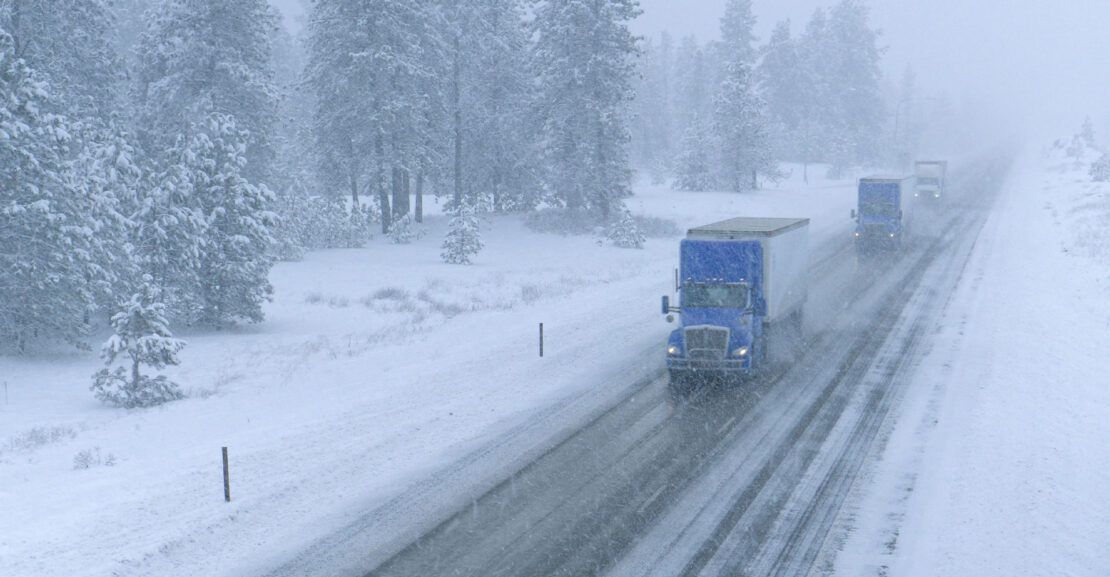
Winter driving isn’t just about enduring colder temperatures, it’s about overcoming unpredictable roads, reduced visibility, and mechanical challenges that can disrupt fleet operations. Ice, snow, and freezing rain turn routine routes into high-risk ventures, making proactive preparation essential for both fleet managers and drivers.
The key to safe and efficient winter fleet operations lies in preventive maintenance, smart driving techniques, and leveraging expert support services. Here are 14 essential tips to keep your fleet moving safely through the harshest winter conditions.
1. Conduct Thorough Pre-Trip Inspections
A quick once-over isn’t enough when temperatures drop. Winter conditions put extra stress on vehicle components, and small issues can turn into major breakdowns if left unchecked.
Before every trip, check fluid levels, inspect headlights, and test wipers to ensure proper function. Verify that heating and defrosting systems are operational, as failing to do so can leave drivers stranded in freezing temperatures with fogged-up windshields.
2. Keep Tires in Peak Condition
Tires are the first line of defense against icy roads, but cold air reduces pressure, affecting handling and stability. Ensure that tire pressure and tread depth are properly maintained throughout the season.
For fleets operating in severe winter conditions, switching to winter tires or high-performance all-season tires can dramatically improve traction and braking performance.
3. Protect Your Battery from Cold-Weather Failures
Batteries weaken in low temperatures, leading to increased risk of failure. A fully charged battery is essential for avoiding breakdowns and ensuring reliable starts.
Regularly inspect battery terminals for corrosion and ensure cables are secure. Keep jump-start cables in every vehicle, as even a strong battery can struggle in extreme cold.
4. Maintain Proper Fluid Levels to Prevent Freezing
Winter conditions deplete and thicken fluids, which can impact vehicle performance.
Use winter-grade windshield washer fluid to prevent freezing and ensure clear visibility during snowstorms. Check antifreeze levels regularly, as low coolant concentrations can cause the engine to freeze, leading to costly damage.
5. Prevent Corrosion from Road Salt and De-Icing Chemicals
While road salt and de-icing chemicals help maintain traction, they also corrode metal parts, causing rust and long-term mechanical issues.
Rinse the undercarriage regularly to remove salt buildup. Apply protective coatings on vulnerable areas like brake lines and fuel tanks to minimize corrosion damage.
6. Stock Every Vehicle with an Emergency Kit
Winter breakdowns are unpredictable, and having the right supplies can make all the difference.
Equip vehicles with blankets, flashlights, hand warmers, food, and water to sustain drivers in case of delays. Include ice scrapers, snow brushes, a shovel, and tow straps for clearing snow and freeing stuck tires
7. Adjust Speed and Following Distance for Icy Roads
Speed limits are based on ideal conditions, but winter driving is anything but ideal. Reducing speed increases reaction time and prevents skidding on slippery surfaces.
On icy roads, stopping distances can be up to 10 times longer than usual. Maintaining a greater following distance ensures safer braking and minimizes collision risks.
8. Use the Right Braking Technique for Winter Roads
Braking mistakes can lead to loss of control, especially on icy roads.
For vehicles with ABS, apply steady pressure and let the system do its job. Do not pump the brakes. For vehicles without ABS, use threshold braking, applying firm pressure without locking the wheels. Avoid slamming on the brakes to prevent skidding.
9. Drive Smoothly to Avoid Skidding
Winter roads demand precise control. Sudden acceleration, sharp turns, and hard braking can cause skidding and loss of traction.
Ease into acceleration and slow down before turns to maintain stability. If a vehicle starts sliding, turn into the skid and avoid overcorrecting, which can make the situation worse.
10. Navigate Hills and Inclines with Caution
Hills and inclines can be tricky in snowy conditions, requiring special techniques for safe travel.
When going uphill, maintain steady momentum to avoid getting stuck. Stopping mid-hill can make it difficult to regain traction. When descending, use low gears instead of brakes to maintain control and prevent skidding.
If parking on an incline, turn wheels toward the curb and use wheel chocks to prevent sliding.
11. Keep Windshields and Mirrors Ice-Free
Visibility is crucial in winter weather. Snow and ice buildup on windows, mirrors, and lights can severely impair a driver’s ability to navigate safely.
Fully clear off all ice and snow before driving, not just the windshield. Check side mirrors and rearview cameras, which can become obstructed by ice buildup.
Never pour hot water on frozen glass, it can cause cracking due to rapid temperature changes.
12. Watch for Black Ice and High-Risk Road Conditions
Black ice is one of the most dangerous winter driving hazards, as it is nearly invisible. It often forms on bridges, overpasses, and shaded roads before the rest of the highway freezes.
Reduce speed in these areas, avoid sudden steering or braking, and remain extra cautious in mountainous or rural regions where plowing and maintenance may be inconsistent.
13. Communicate Routes and Emergency Plans
In extreme winter conditions, fleet drivers must stay connected to ensure safety.
Before departure, communicate routes and estimated arrival times to dispatch or team members. If a vehicle becomes stranded, drivers should stay inside, use hazard lights, and keep the exhaust pipe clear to prevent carbon monoxide poisoning.
14. Leverage 24/7 Roadside Assistance and Fleet Support
Despite all precautions, unexpected issues can still arise. Suppose U Drive provides round-the-clock roadside assistance to ensure minimal downtime and maximum fleet efficiency.
From emergency towing and jump-start services to on-the-spot tire changes, having professional support available ensures that fleets stay on the move, even in harsh winter conditions.
Winter Success Starts with Preparation
Winter driving isn’t just about enduring bad weather, it’s about proactively preparing for it. By winterizing vehicles, training drivers, and following best safety practices, fleet operators can reduce risks, minimize downtime, and maintain efficiency.
At Suppose U Drive, we’re committed to keeping your fleet moving, no matter the conditions. Our preventive maintenance services, specialized fuel solutions, and 24/7 roadside support ensure that your fleet remains safe and reliable all winter long.
When winter arrives, preparation makes all the difference. Trust Suppose U Drive to keep your fleet ready for the road ahead. Give us a call or drop us a note today to learn how we can help you stay ahead of winter’s challenges.