

Reefer Van or Reefer Truck? Choosing the Right Refrigerated Vehicle for Summer Delivery Demand
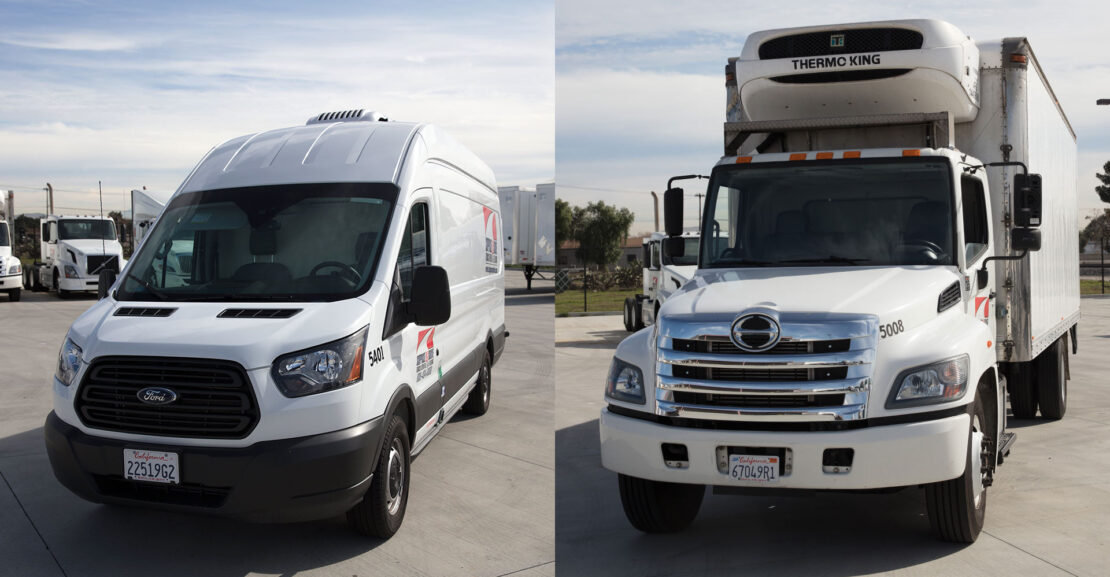
Summer has a way of testing every weak spot in a delivery operation. Routes get tighter. Products become more sensitive to time and temperature. Customers expect freshness, speed, and consistency, even when the weather is working against you.
For businesses that move food, flowers, beverages, produce, prepared meals, or other temperature-sensitive goods, the question is not only whether you need refrigeration. The better question is what kind of refrigerated vehicle fits the work. A reefer van may be the right choice for smaller local routes and tight delivery areas. A refrigerated truck may be the smarter move when payload, stop volume, and route distance start to climb.
Choosing correctly can help protect product quality, driver efficiency, and customer satisfaction. It can also help you avoid paying for more vehicle than you need, or worse, trying to do too much with a vehicle that is too small for the job.
Summer Refrigerated Delivery Demand Changes the Fleet Equation
Warm weather adds pressure to refrigerated delivery in ways that are easy to underestimate. It is not always one big operational problem. More often, it is a series of small stresses that build across the day.
A few extra stops. Longer dwell time. More door openings. Heavier loads. A route that used to work comfortably in spring suddenly feels stretched in July.
For food distributors, caterers, florists, beverage companies, grocery suppliers, and event vendors, summer can create a surge that does not always justify a permanent fleet expansion. Demand may rise for a few weeks or a few months, then settle back down. That is where refrigerated truck rental can become a practical tool. It gives businesses a way to add cold capacity without locking into a long-term equipment decision before the volume proves itself.
The key is matching the rental vehicle to the actual work. A smaller reefer van may be efficient and easy to operate. A larger refrigerated truck may give the route enough room to breathe. Both can be useful. Neither is automatically the right answer.
Start with the Load Before Choosing a Refrigerated Vehicle
The best vehicle decision usually starts with the product, not the truck. What are you carrying? How much of it moves on a typical day? How sensitive is it to heat? How is it packaged? And how often does it need to be accessed during the route?
A refrigerated van can work beautifully for smaller boxes, prepared meals, floral arrangements, specialty foods, and direct-to-customer deliveries. It is often a strong fit when cargo is hand-loaded and stops are close together. The driver can move quickly, park more easily, and manage a dense route without fighting the footprint of a larger truck.
A refrigerated box truck makes more sense when loads are heavier, taller, wider, palletized, or more varied. Beverage cases, dairy products, produce, frozen goods, floral racks, and foodservice orders can fill a vehicle quickly. In some cases, the cargo may not look like much by volume but still be too heavy for a smaller vehicle.
That is the detail many businesses miss. Space matters, but payload can matter more.
If your team is packing every inch of cargo room, making extra trips, or turning away orders because the vehicle cannot handle the day’s volume, the problem may not be routing. It may be vehicle size.
When a Reefer Van Is the Right Fit for Summer Deliveries
A reefer van is often the right choice when the route is local, the deliveries are relatively small, and maneuverability matters. Think restaurants, bakeries, florists, caterers, specialty food companies, meal prep brands, event suppliers, and local retailers that need dependable cold space without stepping into a larger truck.
The biggest advantage is flexibility. A reefer van can move through crowded streets, tight parking lots, loading zones, apartment areas, restaurant districts, and event venues with less friction. That matters during summer, when drivers may be under more pressure to keep routes on schedule and limit how long products sit outside controlled temperatures.
Reefer vans are also helpful for businesses testing new routes. Maybe a caterer has picked up a series of corporate lunch deliveries. Maybe a florist is handling more weddings and events. Maybe a specialty food company is expanding into a new local market. In those situations, a refrigerated van can provide the right amount of capacity without making the operation feel overbuilt.
There are limits, though. A van may not be the best fit for palletized freight, large foodservice drops, heavy beverage loads, or routes that keep growing throughout the week. It may also require tighter loading discipline. If the driver has to open the doors at every stop, dig through the cargo area, and rearrange product in the heat, the van’s efficiency can start to fade.
A reefer van is best when the load is organized, the route is dense, and the delivery volume stays within a manageable range.
When a Refrigerated Truck Is the Better Choice
A refrigerated truck becomes the stronger option when the work gets bigger, heavier, or more commercial in nature. That may include wholesale food distribution, grocery support, produce delivery, beverage routes, floral wholesale, hotel supply, large catering jobs, or multi-stop business-to-business deliveries.
The most obvious benefit is capacity. A refrigerated truck gives you more cargo room and typically more payload flexibility. It may also provide better compatibility with pallets, carts, racks, dock-height loading, liftgate needs, and larger order profiles. If one truck can handle what would otherwise require multiple van trips, the larger vehicle may actually make the day more efficient.
This is especially important in summer. Extra trips cost time. Time adds exposure. Exposure adds pressure on both the product and the people managing the route.
A refrigerated truck can also help when order size varies. Some businesses do not have the same load every day. Monday may be light. Thursday may be packed. Weekend event schedules may change everything. Having enough space to absorb those swings can prevent last-minute scrambling.
The tradeoff is that a larger truck requires more planning. Parking may be tighter. Driver comfort and experience matter more. Urban stops can be slower. For small, frequent deliveries in crowded areas, a truck may be more vehicle than the route needs.
That is why the right choice should be based on the full delivery pattern, not just the largest order on the calendar.
Route Pattern Should Guide the Reefer Van vs. Reefer Truck Decision
Delivery routes have personalities. Some are compact and fast-moving. Others are long, heavy, and built around fewer but larger drops. The vehicle should match that rhythm.
For dense local delivery, a reefer van often makes sense. A florist moving arrangements across town, a bakery supplying cafes, or a prepared meal company handling residential and office deliveries may benefit from a smaller vehicle that is easier to park and easier to keep moving.
For wholesale and distributor routes, a refrigerated truck often makes more sense. Larger customer orders, heavier freight, dock appointments, palletized loads, and longer routes all point toward more capacity. The truck may be less nimble, but it gives the operation more room to handle serious volume.
Event work can go either way. Smaller catering jobs, pop-ups, and local events may fit a refrigerated van. Larger festivals, hotel events, sporting events, production catering, and multi-location schedules may call for a refrigerated truck. The difference often comes down to how much needs to move at once and how quickly the vehicle needs to unload.
The same goes for floral and produce delivery. A local florist may benefit from a reefer van. A wholesale floral supplier may need the space and loading setup of a refrigerated truck. A small produce route may start in a van, then graduate to a truck as customers and case counts grow.
Temperature Control Depends on More Than the Refrigeration Unit
A refrigerated vehicle is an important part of the cold chain, but it is not the whole cold chain. How the vehicle is loaded, routed, opened, and unloaded matters too.
Summer heat makes process gaps more visible. Product should be loaded at the proper temperature whenever possible. The vehicle should be prepared before loading. Drivers should know the stop order and understand how to limit unnecessary door openings. Cargo should be organized so the first deliveries are easy to reach without tearing apart the load.
That last point is simple, but important. A poorly loaded vehicle can turn every stop into a search. Doors stay open. Cold air escapes. Drivers lose time. Product gets handled more than necessary.
The right vehicle helps reduce that friction. A reefer van can be efficient when the route is organized and the cargo is easy to access. A refrigerated truck can be more effective when the route needs space for pallets, racks, or separated delivery zones. Neither vehicle can compensate for a route that was not planned with summer conditions in mind.
Refrigerated Truck Rental Helps Businesses Stay Flexible
One of the challenges with summer demand is that it can be intense but temporary. Buying another vehicle may not make sense for a short seasonal peak, a new customer trial, a temporary route, or a busy event schedule. At the same time, trying to force summer volume through an undersized fleet can create its own costs.
That is where refrigerated truck rental becomes a smart middle ground.
A rental gives businesses a way to add capacity when they need it, without committing before they are ready. It can help cover seasonal spikes, repair downtime, special events, added routes, or unexpected customer demand. It can also help a business test whether a reefer van or refrigerated truck is the better fit before making a longer-term decision.
For some companies, a van may solve the problem. For others, a refrigerated box truck may be the only way to handle the weight, space, and delivery schedule. The rental period can reveal what the operation actually needs.
That kind of flexibility is valuable. It keeps the focus where it belongs, on serving customers, protecting product quality, and keeping the route moving.
How to Choose Between a Reefer Van and Refrigerated Truck
The decision becomes easier when you ask the right questions before reserving a vehicle.
How much product are you moving on your busiest day? What is the heaviest expected load? Are deliveries hand-loaded, palletized, or moved with carts and racks? How many stops are on the route? How often will the doors open? Will the driver need to park in tight areas? Is dock access involved? Is a liftgate needed? Are you moving chilled products, frozen products, flowers, beverages, prepared food, or a mix?
The answers will usually point in one direction.
A reefer van is a strong fit for smaller local deliveries, tight routes, frequent stops, and lighter cargo. A refrigerated truck is often the better option for larger loads, palletized freight, heavier products, wholesale routes, and seasonal overflow that has outgrown van capacity.
There is no universal answer. There is only the vehicle that best fits the route, the load, and the customer promise.
The Right Refrigerated Vehicle Supports the Whole Operation
The right vehicle does more than keep cargo cold. It can improve driver workflow, reduce extra trips, support better scheduling, and make busy summer routes feel more manageable.
That matters because delivery performance is not only measured by whether the product eventually arrives. It is measured by whether it arrives in good condition, on time, and without creating unnecessary strain on the team behind the route.
For businesses facing summer delivery demand, the choice between a reefer van and a refrigerated truck should be made with care. Smaller, tighter, more frequent routes may be ideal for a refrigerated van. Larger, heavier, and more complex routes may call for a refrigerated truck.
Suppose U Drive helps businesses match the vehicle to the job, whether that means a refrigerated van for local deliveries or a refrigerated truck rental for larger seasonal demand. The goal is simple: the right cold capacity, at the right time, for the work in front of you.
FAQs
What is the difference between a reefer van and a refrigerated truck?
A reefer van is generally smaller and better suited for local routes, smaller deliveries, and tighter parking areas. A refrigerated truck offers more cargo space and payload capacity, which makes it a better fit for larger loads, palletized freight, wholesale delivery, and seasonal overflow.
When should I rent a refrigerated truck instead of a reefer van?
A refrigerated truck may be the better choice when your load is too heavy, too large, or too complex for a van. It is also a strong option when you need pallet access, dock-height loading, a liftgate, or enough room to handle higher summer delivery volume in fewer trips.
Is a refrigerated van good for food delivery?
Yes. A refrigerated van can be a good fit for local food delivery, prepared meals, catering, bakery products, specialty foods, and smaller restaurant supply routes. The key is making sure the vehicle has enough capacity for the route and that the cargo is organized for efficient unloading.
Why rent a refrigerated vehicle for summer delivery demand?
Renting gives businesses temporary cold capacity without requiring a long-term purchase. It can help cover seasonal demand, special events, new routes, repair downtime, or unexpected increases in customer orders.
What should I know before choosing a refrigerated truck rental?
Know your product type, required temperature range, load weight, cargo volume, number of stops, loading method, delivery area, and route length. Those details will help determine whether a reefer van or refrigerated truck is the better fit.