

What to Look for When Buying Pre-Owned Commercial Vehicles
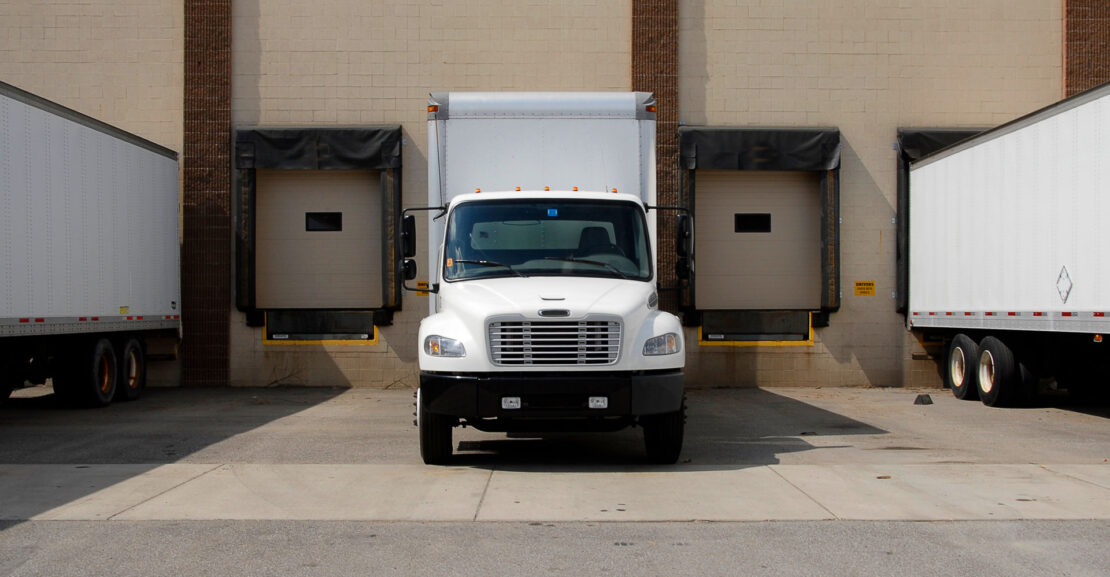
Buying a used commercial vehicle isn’t just a transaction. It’s a decision that can impact your bottom line for years. Whether you’re expanding your fleet or replacing a workhorse, knowing what to look for is the difference between a smart investment and a costly mistake. This guide is designed to walk you through the essential factors to consider when evaluating pre-owned commercial trucks, offering insights that apply whether you’re a seasoned fleet manager or a first-time buyer.
Know What You Need Before You Start Looking
Before you set foot on a lot or click through an inventory site, clarify what you need the vehicle to do. Are you hauling perishable goods or construction materials? Do you need a reefer, a stakebed, or a box truck? Will it be used primarily in urban areas or open highways? How many miles per year will it run? What’s your GVWR requirement?
Understanding your operational needs up front will narrow your options and help you filter out trucks that don’t fit. This isn’t just about size or type; it’s about purpose. The more specific your criteria, the less likely you are to overpay or underperform.
Dig Into the Vehicle History Report
A clean-looking truck can hide a checkered past. Always request a detailed vehicle history report, which should include accident records, ownership transfers, service history, and any title complications. Look for patterns. Were repairs consistently performed? Are there any recurring issues noted? Has the truck spent most of its life in cold climates where corrosion might be a concern?
If something feels off or too vague, move on. Transparency is a baseline expectation, not a bonus.
Inspect the Frame and Structural Components
Rust is one thing. Structural damage is another. Get under the truck and look at the frame rails, cross members, and floor supports. Surface rust can be treated. But if you see deep corrosion, bent components, or evidence of frame welding, take it as a red flag.
The integrity of the frame affects not just safety, but the long-term durability of the truck. No cosmetic upgrade can fix that.
Check the Engine and Transmission – Thoroughly
Start the truck from cold, and let it idle. Listen for knocks, sputters, or unusual vibrations. Rev the engine. Watch for smoke. Then take it for a real-world test drive – not just around the block. You want to test the truck in motion, under acceleration, braking, turns, and uphill loads.
Shifting should be smooth and predictable. Slipping gears or delayed shifts could point to transmission wear that isn’t going away without serious investment.
If you have access to a diagnostic scanner, even better. Read the codes. A clean dash doesn’t always mean a clean bill of health.
Tires, Brakes, and Suspension
Check for even tread wear on all tires. Uneven wear patterns can signal alignment issues, worn bushings, or suspension problems. Confirm the DOT date codes on tires – older than six years, and you’re probably looking at a replacement.
Inspect the brake pads and rotors. Listen for squealing or grinding during the test drive. Review air brake function if applicable. For suspension, bounce each corner and look for consistent resistance. A sloppy suspension setup makes for a rough ride and higher repair bills.
Interior Condition Isn’t Just About Looks
A worn-down interior doesn’t necessarily kill a deal, but it tells a story. Cracked dashboards, broken switches, missing panels, or jury-rigged repairs suggest a lack of general care. That mindset may have extended to the engine or transmission.
Flip every switch. Test the AC, the heater, the radio, and the lights. Make sure the warning indicators work – and go off properly after startup. Interior neglect often walks hand in hand with mechanical neglect.
Specialty Equipment and Upfits
If you’re buying a reefer, stakebed, dump truck, or utility vehicle, inspect the secondary systems. That means refrigeration units, liftgates, cranes, PTOs, or hydraulic systems. Confirm they work, and test them under load if possible. Replacing or repairing specialty equipment can quickly eat through whatever money you thought you were saving by buying used.
Emissions Compliance and Regulations
Depending on your operating region, emissions compliance isn’t optional. Check for DPF systems, SCR components, and related equipment. Has the truck been “deleted” illegally? Walk away. The fines, legal exposure, and resale issues aren’t worth it.
In California and other CARB states, pay special attention to model-year requirements and retrofit mandates. An otherwise great truck won’t do you any good if you can’t register or operate it legally.
Total Cost of Ownership (TCO)
Used doesn’t always mean cheaper. Take a holistic view of what owning the truck will really cost you. Factor in:
- Fuel economy
- Insurance premiums
- Anticipated repair and maintenance
- Parts availability and pricing
- Downtime risks
Sometimes a slightly higher upfront price buys you a truck with fewer headaches, longer intervals between service, and lower total cost over time. Know the difference.
Financing and Warranty Options
Explore financing options before you commit. Some sellers offer in-house financing; others work through third-party lenders. Compare rates, terms, and any hidden fees.
Ask about available warranties. Even 30- or 90-day coverage can give you a buffer to catch any immediate issues post-purchase. If extended warranties are available on powertrain or emissions systems, they may be worth considering – especially for high-mileage units.
Work With a Reputable Dealer
There are plenty of places to buy used commercial trucks. Not all of them are equal. The right dealer is transparent, experienced, and focused on long-term relationships, not just one-time sales.
At Suppose U Drive, every pre-owned truck undergoes a rigorous inspection before it ever hits the lot. We provide detailed records, help match you with the right vehicle for your needs, and offer flexible leasing or buying options to meet your budget and goals. Our support doesn’t end with the paperwork – we’re here to help your business stay on the road.
Closing the Sale
Buying a used commercial vehicle is part science, part gut check. You need facts: inspection reports, history, emissions compliance. But you also need experience – either yours or a partner’s – to interpret what those facts mean.
Use this guide as a framework, not a checklist. Every business has different needs, and every truck tells a different story. The key is knowing which stories are worth buying into.
When you’re ready to expand or refresh your fleet, Suppose U Drive is here to help you do it smartly, confidently, and with your long-term success in mind.