

The Southwest Truck Rental Market Is Tight: How to Secure Capacity in Q4
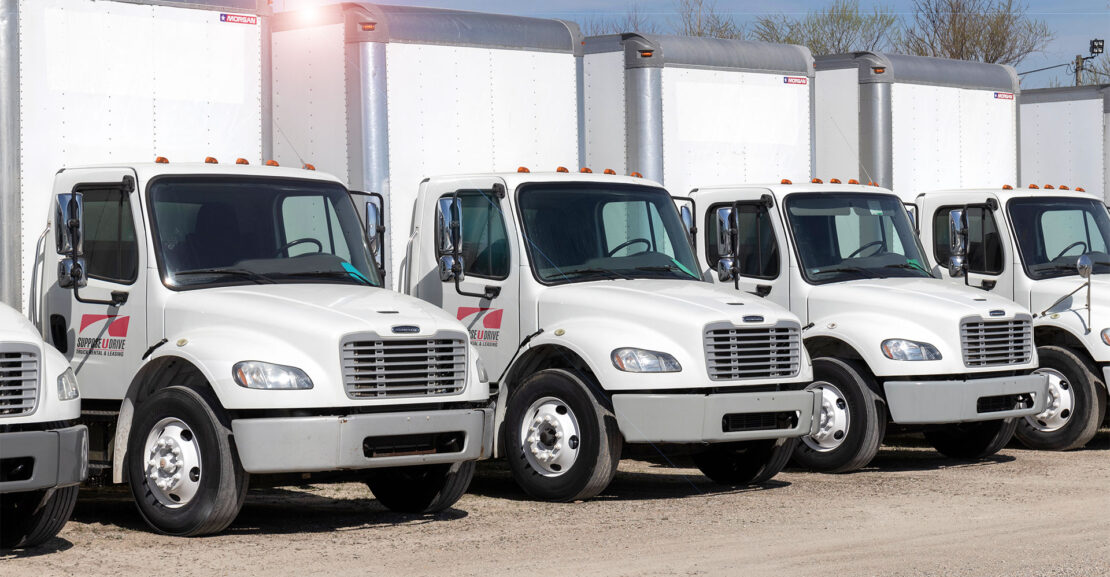
Regional distributors in Southern California are already feeling the squeeze this October. Orders from retail customers are picking up earlier than expected, and available rental trucks are disappearing fast. Calls to multiple providers bring the same response: “We’re fully booked.” As delivery schedules back up and warehouse space fills, it is becoming clear that the holiday surge has started early and that those who did not plan ahead are paying for it.
Scenarios like this are playing out across the Southwest right now. From Los Angeles to Phoenix, the truck rental market is tightening as Q4 demand accelerates. Seasonal freight surges, lingering supply constraints, and shifting regional logistics patterns are combining to push demand higher than supply.
For businesses that rely on trucks to move goods or serve customers, the next few months will be a test of foresight. Those who forecast early, diversify partners, and remain flexible will secure capacity. Those who wait until November or December may find themselves sidelined just when business peaks.
KEY TAKEAWAYS
- Plan early and stay flexible: Demand for rental trucks in the Southwest is already outpacing supply. Forecasting needs and securing reservations in advance are critical to maintaining capacity through Q4.
- Build regional partnerships: Working with multiple, locally rooted providers across Southern California and Phoenix gives businesses the agility to adapt quickly when national suppliers run short.
- Treat rentals as strategy, not backup: Truck rentals should be part of long-term fleet planning, helping companies manage volatility, stay compliant, and maintain consistent service during seasonal surges.
Understanding Why the Market Is Tight
Truck rental markets tighten whenever demand rises faster than supply. In the Southwest, this imbalance is driven by several overlapping factors that are especially visible heading into the end of the year.
E-commerce activity is one of the biggest drivers. Holiday shopping began ramping up in early October this year, extending the traditional shipping window. Warehouses are expanding shifts, regional carriers are adding routes, and companies are competing for extra vehicles to handle order volume. Even a modest increase in online sales can absorb thousands of additional rental trucks across Southern California and Arizona.
Agriculture adds another layer of seasonal pressure. As produce shipments peak in late fall, growers and food distributors rely heavily on rentals to supplement their fleets. When those vehicles are not available, scheduling delays and spoilage risks increase.
Supply constraints have compounded the challenge. The global shortage of critical parts has slowed truck manufacturing, leaving providers unable to refresh fleets as quickly as usual. Many are keeping older trucks in service longer, which raises maintenance demands and reduces uptime.
Regulatory pressure adds another complication. California’s emissions standards limit how easily fleets can move vehicles into the state, while Arizona’s growing logistics sector continues to expand demand for short-term capacity. The result is a region where rental utilization remains high and inventory turns over slowly.
The outcome is predictable but unavoidable. More freight is competing for fewer available trucks, and the pressure will only build as holiday shipping accelerates.
Why the Southwest Faces Unique Pressure
Few regions experience freight intensity like the Southwest. California serves as a national logistics engine, powered by the ports of Los Angeles and Long Beach. Every container that arrives there fuels activity across the region. When cargo volumes climb, the demand for rental trucks surges in lockstep.
Phoenix has rapidly become one of the country’s most active inland logistics hubs. Its proximity to Southern California, combined with lower operating costs, has made it a popular choice for distribution centers and fulfillment operations. Freight often moves between the two regions multiple times before reaching its final destination. This constant cross-traffic creates recurring pressure on both markets.
Geography adds to the challenge. The distance between major industrial zones limits how quickly vehicles can cycle between deliveries. A truck completing a route in Arizona may not return to California for several days, keeping supply tight for longer.
Environmental and operational regulations further restrict flexibility. Vehicles that meet Arizona standards may need modifications to run in California. For rental providers, this means careful scheduling and occasional downtime while trucks are updated, inspected, or repositioned.
The result is a network operating near maximum capacity year-round with little room to absorb spikes in demand. In Q4, even minor disruptions can ripple through the system and cause lasting effects.
How to Stay Ahead of the Shortage
Securing trucks in a tight market requires more than quick phone calls. It takes strategy, timing, and a reliable network. These steps can help ensure your operation keeps moving when others are waiting.
1. Start early and forecast accurately
By mid-October, most rental providers are already reserving trucks for the holidays. Begin forecasting as soon as possible, even if you need to adjust later. Build projections around both confirmed and potential needs, such as new contracts or promotional surges. Early reservations create flexibility and help prevent costly surprises.
2. Diversify your sources
Relying on one provider limits options. Building relationships with multiple rental partners across Southern California and Phoenix ensures backup capacity. Regional firms often have greater agility and can accommodate short-term requests that larger chains may struggle to fill quickly.
3. Mix short-term rentals with flexible leases
A hybrid model combines stability with scalability. Leasing provides predictable access to trucks, while short-term rentals let you ramp up during busy weeks. This balance keeps operations steady without locking you into long-term commitments.
4. Use cross-regional coordination
If your business operates in both Arizona and California, coordinate vehicle staging between the two. Trucks positioned in Phoenix in early November can be relocated to Southern California as coastal demand intensifies. Cross-regional planning prevents localized shortages and helps maintain operational flow.
5. Maintain a strategic buffer
Every fleet should include a margin of extra capacity. Unexpected order spikes or mechanical downtime are inevitable. A 10 to 15 percent buffer above projected demand can protect your schedule and preserve customer relationships.
6. Communicate clearly with providers
Transparency builds trust. Keep your rental partners informed about anticipated changes, extensions, or special projects. Providers who understand your needs are more likely to prioritize you during the busiest weeks of the year.
7. Stay informed about compliance requirements
California’s emissions and operating standards are evolving rapidly. Work with rental companies that monitor these regulations closely and can help keep your fleet compliant. Staying proactive prevents delays and ensures uninterrupted service.
The Value of Regional Expertise
When the market is stretched thin, regional expertise becomes a true advantage. Local providers understand freight rhythms, port schedules, and seasonal surges better than anyone. They can move equipment faster, anticipate bottlenecks, and respond to shifting conditions in real time.
Suppose U Drive has built its reputation on this strength. With deep roots in the South West, the company focuses on flexible commercial truck rentals and leases that adapt to changing demand. Its regional footprint allows equipment to move efficiently between markets, giving customers access to trucks even when availability elsewhere is limited.
For businesses navigating Q4’s volatility, having a trusted regional partner provides both reliability and peace of mind.
Staying Resilient in a Volatile Market
The factors tightening the Southwest truck rental market will not disappear when the holidays end. Freight growth, driver shortages, and ongoing equipment constraints will continue to influence the industry well into next year. The companies that view rentals as part of a long-term logistics strategy rather than a last-minute fix will maintain a competitive edge.
Rentals are no longer just an emergency solution. They are an essential part of a flexible, modern supply chain strategy. Integrating them into your planning helps absorb volatility without compromising service or profitability.
The months ahead will reward those who act early and communicate often. Preparation today ensures capacity tomorrow, and in a market this tight, readiness is the only reliable form of control.
Building a Stronger Capacity Strategy for the Future
Securing trucks this Q4 is only one piece of the puzzle. The insights gained from this season can help shape a more resilient strategy moving forward. Evaluate which partners delivered, which systems performed best, and where improvement is needed. Strengthening those areas now will prevent future disruptions.
Partnerships that remain dependable during high demand are worth investing in. Providers who can deliver capacity when others cannot are valuable allies in an unpredictable logistics landscape.
To learn more about flexible rental and leasing solutions for businesses across the South West, visit Suppose U Drive and connect with their regional team. Planning ahead today ensures you are ready for whatever tomorrow brings.
FAQs
How far in advance should I reserve trucks for the holiday season?
Most regional providers begin filling their Q4 reservations by mid-October, so it is best to book at least four to six weeks in advance. Larger fleets or companies with recurring routes may need even more lead time. Reserving early gives you more flexibility with vehicle type, timing, and pricing, while also allowing providers to plan around your specific needs.
What types of trucks are in highest demand during Q4?
Medium-duty box trucks, refrigerated units, and straight trucks are typically the first to run out as e-commerce, food distribution, and retail deliveries surge. Many businesses underestimate how quickly these vehicles become unavailable. If your operation depends on temperature control or dock-height loading, prioritize those reservations early and confirm availability for multiple vehicle sizes in case substitutions are needed.
How can I keep rental costs under control when demand spikes?
Rates can rise in Q4 as availability tightens, but costs can be managed with foresight and consistency. Establish relationships with providers early, maintain open communication about your seasonal needs, and consider longer rental periods instead of daily extensions. Providers often reward steady, predictable customers with better terms and priority access. Planning ahead usually costs less than scrambling at the last minute.