

The Isuzu Diesel Window: Why N-Series Buyers May Need to Plan Before 2027
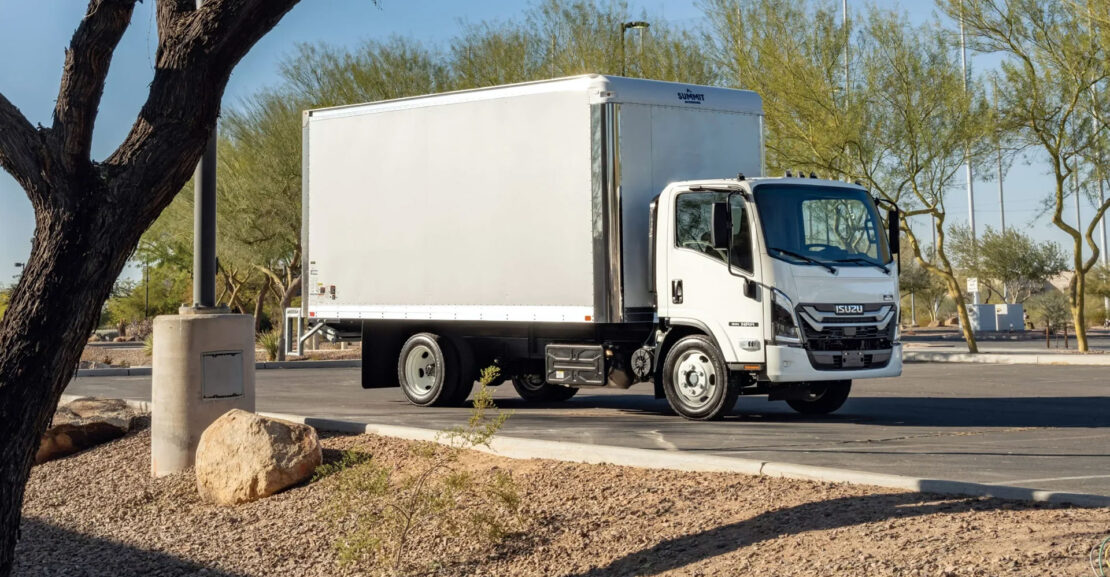
For many businesses, an Isuzu N-Series diesel is more than another truck in the fleet. It may be the platform around which routes, body configurations, loading procedures, maintenance schedules, and driver expectations have been built for years.
That is why the approaching 2027 emissions transition deserves more attention than an ordinary model-year change. According to dealer communications, Isuzu does not anticipate offering an N-Series Diesel configuration that meets the new federal NOx requirements during the 2027 calendar year. A compliant solution is currently targeted for early 2028.
This does not mean every Isuzu diesel will disappear on January 1, 2027. It does mean fleets with known replacement or expansion needs may face a narrower buying window, especially when they require a specific wheelbase, GVWR, body, liftgate, or refrigerated setup.
The issue is not panic. It is timing.
What Is Changing With Isuzu N-Series Diesel Availability?
The transition centers on new federal emissions standards for model-year 2027 heavy-duty engines. These rules sharply reduce allowable nitrogen oxide emissions and expand the conditions under which engines must remain compliant.
For N-Series diesel buyers, the practical effect may be a temporary gap between the current generation and the next compliant version. Isuzu has not said the diesel N-Series is being permanently discontinued. Existing trucks will not suddenly become illegal to operate, and inventory already produced may continue moving through the market.
Yet remaining inventory is not the same as normal production.
Some chassis may still be in transit, awaiting a body, or held in regional stock, and as that supply thins, buyers will likely have fewer choices and less control over configuration. A truck may still be available. The exact truck a fleet needs may not be.
Why the 2027 Diesel Emissions Rules Matter
Commercial vehicle emissions standards have tightened before, but the 2027 rules require more than a small calibration change.
The requirements lower allowable NOx emissions while placing greater emphasis on low-load operation, idle time, stop-and-go driving, onboard diagnostics, durability, and emissions performance over more of an engine’s useful life.
Those conditions are common in medium-duty work. A local delivery truck may spend much of its day in traffic, idling at docks, making short trips, or operating at lower speeds. A refrigerated unit may run auxiliary equipment while the chassis itself is under limited load.
Manufacturers must coordinate engine controls, sensors, aftertreatment systems, thermal management, diagnostics, and long-term durability within the packaging limits of the truck. Then the complete system must be tested and certified.
That takes time.
EPA has proposed revisions that could give certain manufacturers additional flexibility while they finish developing compliant engines. Even so, proposed rules can change, eligibility may vary, and no proposal guarantees that Isuzu will revise its communicated timeline.
Fleet plans should be based on confirmed equipment options, not regulatory possibilities.
Model Year 2027 and Calendar Year 2027 Are Different
One of the easiest points to misunderstand is the difference between a truck’s model year and the date it becomes available.
Current federal rules include a split in the model-year 2027 transition. Some manufacturers have limited allowances to keep producing a portion of their lineup to earlier standards during the changeover, though whether that applies to a specific N-Series configuration depends on Isuzu’s own certification approach and is worth confirming with a dealer rather than assuming. Buyers could therefore see some 2027-labeled Isuzu diesel trucks even if fully compliant production is not expected during the 2027 calendar year.
That can create mixed signals.
A fleet manager may see a 2027 model advertised and assume diesel production will continue normally. Another may hear about the product gap and assume all inventory will vanish immediately. Neither conclusion is necessarily accurate.
The more useful questions are practical. When was the engine produced? Has the chassis already been allocated? Is the needed wheelbase or GVWR still available? How long will the body installation take?
During a transition, production date, inventory position, and upfit status may matter as much as the model-year badge.
Why the Diesel Gap Could Affect the Entire Truck Build
The chassis is only the first stage of a medium-duty work truck. A fleet may still need a dry van body, refrigerated box, flatbed, stakebed, service body, liftgate, shelving, telematics, cameras, or auxiliary equipment.
That process can take months.
When chassis availability tightens, fleets may feel pressure to accept a unit that is close to the desired specification but not quite right. A different wheelbase can alter maneuverability. A lower GVWR can reduce usable payload. A substitute body dimension can change loading patterns.
Those compromises may follow the truck throughout its service life.
The larger risk is not simply failing to find an Isuzu diesel. It is finding one late, rushing the build, and accepting a configuration that creates daily inefficiency for years.
Which Fleets Should Pay Closest Attention?
Not every operation needs to accelerate a replacement. Some fleets have healthy trucks, flexible specifications, and enough capacity to wait. Others have much less room.
Fleets With Aging Isuzu Diesel Trucks
A truck already approaching replacement may not reliably bridge an extended acquisition gap. Rising repair frequency, downtime, and lost route capacity can quickly outweigh the benefit of postponing a decision.
A truck does not need to be completely unreliable to become a risk. Inconsistent performance may be enough, particularly when the vehicle supports a route or service that cannot easily be reassigned.
Fleets Standardized Around the N-Series
Standardization creates efficiency. Drivers know the cab. Technicians understand the maintenance patterns. Bodies, replacement parts, and operating procedures may be built around consistent chassis dimensions.
A temporary product gap can interrupt that rhythm, particularly when several units are scheduled for replacement within the same period.
Businesses Planning Growth or Specialized Upfits
New contracts, territories, crews, or routes can create equipment needs even when the current fleet is healthy. Refrigerated trucks, liftgates, custom service bodies, and other complex builds also leave less room for substitution.
The more specialized the finished vehicle, the earlier the chassis decision usually needs to be made.
Planning Early Does Not Mean Buying the Wrong Truck
There is a difference between moving a decision forward and forcing a purchase. The purpose of early planning is to create options.
Start with the current fleet. Which units may need replacement before early 2028? Which trucks are showing rising maintenance costs or inconsistent reliability? Is the business expecting new volume? How long does the complete acquisition and upfit process normally take?
Then examine the specification.
Wheelbase, axle capacity, body length, refrigeration requirements, liftgate rating, route mileage, idle time, fuel access, driver needs, and annual utilization all matter. A truck purchased early but configured poorly may cost more than a well-planned alternative purchased later.
The strongest decision is based on operating reality, not fear.
Diesel, Gas, Electric, or a Temporary Bridge?
The N-Series diesel transition creates a useful moment to reconsider how each truck is being used. The right answer may vary by route, payload, location, and holding period.
Staying With Diesel
Diesel may remain the best fit for high-mileage routes, heavier applications, long holding periods, or fleets with established fueling and maintenance infrastructure.
For those operations, securing equipment before availability narrows may reduce disruption. That is especially true when the fleet already has proven body specifications and a clear replacement need.
Considering Gasoline or Electric
Gasoline may suit shorter routes, lower annual mileage, and lighter-duty work. Electric trucks may fit predictable return-to-base routes with manageable mileage, adequate charging time, and the right payload profile.
Neither should be treated as an automatic substitute. Fuel use, payload, maintenance, resale, charging access, route consistency, and expected service life all belong in the comparison.
The powertrain needs to fit the work. Not the other way around.
Using Rental or Leasing as a Bridge
Rental or leasing can cover a delayed replacement, seasonal peak, new contract, or body-build period without forcing a permanent purchase before the application is fully understood.
A temporary vehicle can also give a business time to evaluate a new route, powertrain, or truck specification before committing to a longer holding period.
The best approach may involve more than one solution. That is why the review should happen before limited availability begins making the decisions.
Five Fleet Planning Questions to Answer Before 2027
A focused review can show whether the Isuzu diesel transition is a minor concern or a meaningful operational risk.
1. Which Trucks May Need Replacement Before Early 2028?
Review age, mileage, engine hours, maintenance history, downtime, and current condition.
2. Which Specifications Are Non-Negotiable?
Identify the wheelbase, GVWR, body dimensions, payload, liftgate, refrigeration, and axle requirements that directly affect the work.
3. How Long Does the Full Acquisition Process Take?
Include chassis allocation, transportation, body production, equipment installation, inspection, registration, and deployment.
4. Could Another Powertrain Handle the Route?
Compare mileage, idle time, payload, fuel or charging access, route consistency, and expected holding period.
5. What Is the Backup Plan?
Consider rental, leasing, used equipment, vehicle reassignment, or extending an existing truck if the preferred chassis is delayed.
The Real Deadline Is the Fleet’s Replacement Schedule
The Isuzu N-Series Diesel transition does not create the same deadline for every business. A fleet with newer equipment and flexible specifications may have several workable paths. One with aging trucks, custom bodies, diesel-dependent routes, or expected growth may face fewer choices.
Equipment transitions become expensive when they collide with urgent need. A failed truck, new contract, or delayed body build can turn a manageable issue into a rushed decision.
Reviewing the next 18 to 24 months now gives fleets more control. That may mean securing an Isuzu diesel while the right configuration is available. It may mean extending a current unit, evaluating another powertrain, or using rental or leasing to bridge the gap.
Suppose U Drive can help businesses evaluate rental, leasing, maintenance, and vehicle options as equipment cycles change. The goal is not to force one answer. It is to prevent limited availability from deciding the answer for you.
FAQs
Is Isuzu Discontinuing the N-Series Diesel?
Current communications indicate a temporary availability gap, not a permanent discontinuation. Isuzu is targeting an updated compliant diesel solution for early 2028.
Will Any 2027 Isuzu N-Series Diesel Trucks Be Available?
Some model-year 2027 diesel trucks may reach the market before the new requirements fully affect production. Availability will depend on engine production timing, chassis allocation, regional inventory, configuration, and demand.
Do Existing Isuzu Diesel Trucks Become Noncompliant in 2027?
No. The federal requirements apply to new engines and vehicles entering the model-year 2027 framework. They do not create a federal deadline requiring fleets to retire existing Isuzu diesel trucks.