

The Business Case for Leasing vs. Buying Commercial Trucks in 2025
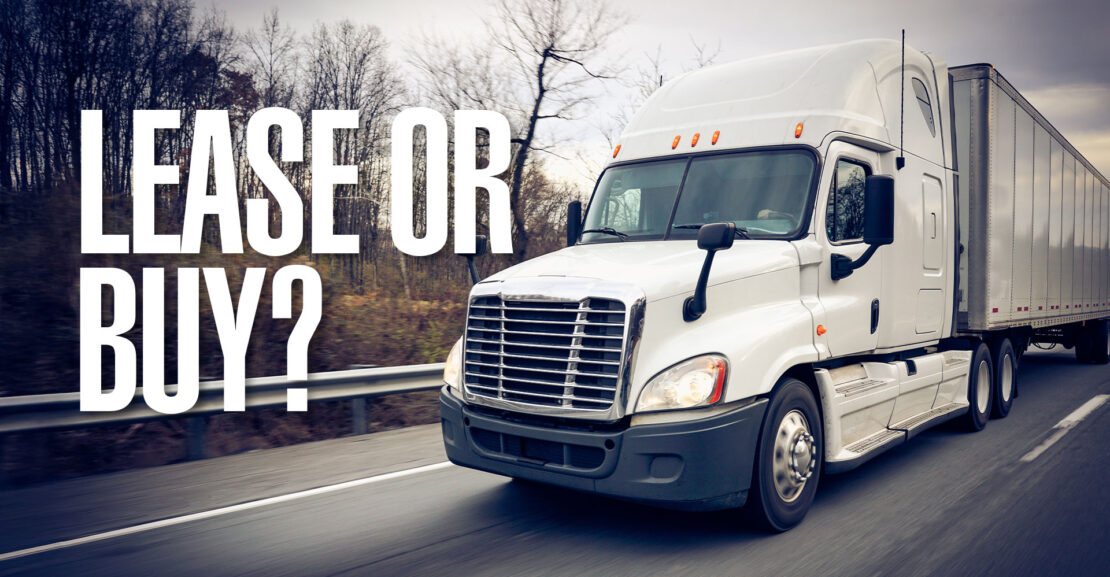
Whether you’re expanding your fleet, replacing aging units, or simply reevaluating your vehicle strategy for the year ahead, the leasing vs. buying conversation is likely on your radar, and for good reason.
In 2025, the ground is shifting. Vehicle costs are climbing. Margins are tightening. Emissions regulations are adding pressure. At the same time, businesses need to stay nimble, ready to scale, pivot, or invest where it matters most.
There’s no one-size-fits-all answer. But there is a right fit for your business, depending on your goals, resources, and how you operate. In this article, we’ll break down the key considerations: total cost of ownership, tax advantages, and operational flexibility, to help you make the smartest choice for your fleet.
Looking at the Full Picture: Total Cost of Ownership
Before diving into tax strategy or operational flexibility, it’s worth starting with the foundation of any sound fleet decision: total cost of ownership (TCO). It’s one thing to consider a vehicle’s purchase price or monthly lease rate, it’s another to understand what that vehicle will truly cost your business over its lifecycle. In 2025, when every dollar must work harder, that distinction matters more than ever.
Leasing: Predictability and Cash Flow
Leasing has become a go-to option for businesses seeking stability without tying up capital. Compared to buying, leasing typically requires less upfront investment. That means more cash on hand, something many businesses prefer to keep liquid, especially when pursuing growth or adapting to change.
Monthly lease payments are predictable and often lower than loan payments on a comparable new vehicle. Many leases also include maintenance packages or warranty coverage, helping avoid surprise repair bills that can come with ownership as vehicles age.
And then there’s depreciation. Commercial vehicles lose value quickly, but with leasing, that risk isn’t yours. It’s already built into the agreement. When the lease ends, you return the vehicle and walk away.
Buying: Long-Term Value and Asset Control
Ownership brings a different kind of value, one that leasing doesn’t fully replicate. When you buy, you’re building equity in an asset you can keep well beyond the payoff period. For businesses that run vehicles for many years or don’t want to navigate lease restrictions, owning offers greater freedom and control.
Buying also allows for full customization to meet operational needs, which can be essential in certain industries. While you do absorb depreciation risk, you also gain potential residual value if you choose to resell later, especially if the vehicle has been properly maintained.
TCO Takeaway
If cost consistency, reduced risk, and short-term flexibility are top priorities, leasing might be the better choice. But for businesses focused on long-term value, customization, or full control, buying still offers strong advantages, especially when considering high-quality pre-owned options. The key is aligning your fleet strategy with your business trajectory.
Tax Benefits: Same Goal, Different Paths
Regardless of how you acquire your fleet, the goal remains the same: maximize value while minimizing tax exposure. Both leasing and buying offer tax advantages, it simply depends on your structure, priorities, and approach.
Leasing: Simple, Straightforward Deductions
One of the main advantages of leasing from a tax standpoint is its simplicity. Lease payments are generally treated as business expenses and are fully deductible in the year they’re paid. No depreciation schedules. No interest calculations. Just clean, predictable deductions aligned with your monthly costs.
For companies that value budgeting clarity or want to streamline accounting, this straightforward approach can be a big plus.
Buying: Depreciation and Interest Write-Offs
Buying offers its own set of tax benefits, especially for companies with a longer financial horizon. You may be eligible to deduct the vehicle’s depreciation over time and write off interest on your loan. Tools like Section 179 or bonus depreciation can amplify those savings, depending on how the vehicle is used and your overall tax strategy.
These benefits, however, unfold over time and require more detailed recordkeeping to maximize.
Sales Tax Considerations
Another key difference lies in sales tax. Leasing generally allows businesses to pay sales tax gradually, embedded in the monthly payment. Buying typically requires paying it all upfront, a potential hit to cash flow, even if it’s deductible later.
Ultimately, the best path comes down to your financial priorities. If cash flow and simplicity are key, leasing might be the way to go. But if long-term asset value and more complex deductions align with your strategy, buying could be the stronger play.
Flexibility vs. Stability
Beyond cost and tax implications, the way a vehicle fits into your day-to-day operation plays a big role in the lease-or-buy decision. In today’s environment, it’s often not just about what you can afford, but how adaptable your fleet needs to be.
Leasing: Adapt Quickly, Scale Easily
For businesses growing fast, entering new markets, or responding to shifting demand, leasing offers speed and agility. You can scale your fleet up or down without the burden of owning long-term assets you may no longer need.
Leasing also provides regular access to newer models. That means better fuel efficiency, the latest safety features, and easier compliance with emissions regulations, especially in tightly regulated states like California. You’re not stuck with aging vehicles that are harder (and more expensive) to maintain.
That kind of operational flexibility is critical for businesses managing seasonal shifts, evolving service models, or tight turnaround timelines.
Buying: Stability, Customization, and Full Control
On the other hand, buying gives you stability. The vehicle is yours, use it how and when you want, with no mileage caps or lease-end inspections. You decide when to retire it, how to configure it, and whether to resell or repurpose it down the road.
For companies with specialized equipment needs or consistent long-term usage, ownership often makes more sense. And when a vehicle is fully utilized over many years, the return on investment can be significant.
The Key Question
It really comes down to how your business runs. Do you need the freedom to pivot, or are you building for consistency and control? Your fleet strategy should reflect your operational style and long-term goals.
Where the Market Is Headed in 2025
Trends don’t make the decision for you, but they do offer insight into how the industry is evolving. In 2025, the commercial fleet market is seeing a notable shift in priorities: businesses are becoming more cautious with capital, more focused on efficiency, and more reliant on adaptable strategies. Against that backdrop, leasing is gaining traction, but ownership remains highly relevant.
Leasing Is Gaining Ground
More companies, particularly those with diverse logistics needs, are leaning into leasing. Why? Because it lowers risk. Monthly payments are predictable. Maintenance is often bundled. And you’re not stuck managing aging vehicles in a rapidly changing regulatory and technological landscape.
In today’s climate, that predictability matters. From rising fuel costs to tighter emissions requirements, companies need vehicles that can adapt to the moment. Leasing helps provide that flexibility.
Fleet managers are also recognizing that newer vehicles often translate to lower total operating costs, even if you never technically “own” them.
But Ownership Still Has Its Place
That doesn’t mean buying is going away. Far from it. For companies with high utilization rates and stable routes, ownership can still be the more economical and practical choice. It offers complete control, full customization, and long-term asset value.
And right now, the pre-owned commercial vehicle market is especially strong. Many businesses are finding excellent value in gently used inventory, reducing acquisition costs while still gaining the benefits of ownership.
In short, leasing may be rising, but ownership remains a vital part of the conversation, especially when matched to the right operational profile.
There’s No Wrong Answer, Only the Right Fit
When it comes to refreshing or expanding your fleet in 2025, there’s no universal solution. Both leasing and buying offer real, measurable advantages. The right choice depends on where your business is going, how you manage cash, and how much flexibility or control you want along the way.
Leasing delivers reduced risk, clearer forecasting, and easier access to modern, compliant equipment. Buying provides long-term asset value, full customization, and total ownership, particularly valuable for consistent operations and high-use cycles.
At Suppose U Drive, we work with companies on both sides of the equation. Whether you’re leaning toward short-term flexibility, long-term reliability, or something in between, our team can help you navigate your options with clarity and confidence.
Not sure what’s right for you? Let’s talk. We’ll help you find a fleet strategy that keeps your business moving, efficiently, strategically, and with confidence.