

Short-Term Truck Rentals in Phoenix: A Smart Play for Seasonal Demand
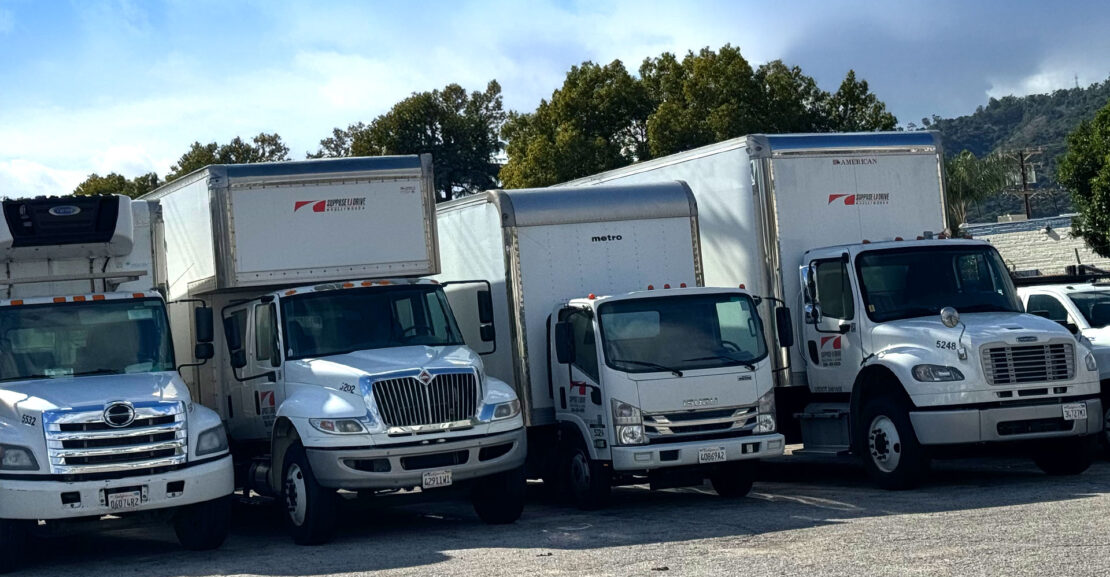
Phoenix has become the kind of market that rewards fast decisions. Freight moves in, projects ramp up, customer expectations tighten, and suddenly the question is no longer whether more capacity would help. It is whether adding that capacity permanently makes sense.
That distinction matters. In a city shaped by construction growth, regional distribution, shifting seasonal demand, and expanding Southwest logistics activity, short-term truck rentals can give operators room to respond without locking themselves into the wrong long-term move. For many businesses in Phoenix, that flexibility is not a convenience. It is strategy.
Why Phoenix Operators Need More Flexible Fleet Planning
Phoenix has changed. It is no longer a secondary market that simply supports bigger freight centers nearby. It has become a more important logistics, warehousing, and distribution hub in its own right, which means local fleet decisions carry more weight than they used to.
For operators in the area, that creates both opportunity and pressure. Demand can rise quickly, but not always evenly, and not always for long enough to justify permanent expansion.
Phoenix’s Growth Brings Opportunity and Volatility
Phoenix sits in a useful position. It connects regional freight flows across Arizona, Southern California, Nevada, New Mexico, and Texas while also benefiting from growing industrial development and warehouse activity. That makes it attractive for businesses that need access to the broader Southwest without the costs and congestion associated with some other major markets.
But growth does not always show up in a smooth, predictable pattern. A new project may hit all at once. A customer may add routes for one quarter. A surge in regional demand may create a brief capacity squeeze that feels urgent in the moment but fades a few months later.
That is where fleet planning gets tricky. The market is active enough that businesses need to stay ready, but uneven enough that permanent equipment additions can become expensive if the timing is off.
Seasonal Demand in Phoenix Does Not Always Follow a Simple Calendar
When people hear seasonal demand, they often think of one clean annual spike. Real operations rarely work that way.
In Phoenix, seasonal demand can be tied to holiday retail, produce movement, construction schedules, tourism-related supply needs, project cargo, weather shifts in surrounding markets, and customer-driven surges that do not fit neatly into one box. Some businesses feel the pressure in summer. Others feel it in Q4. Some see it when a contract starts. Others feel it when another fleet falls behind and freight has to move now.
That kind of demand is real, but it does not always justify a truck that sits in the yard once the pressure eases.
Why Short-Term Truck Rentals Make Sense for Seasonal Demand in Phoenix
Short-term truck rentals help businesses handle temporary demand with less long-range risk. That sounds simple, but in practice it can change the way a company manages growth, protects margins, and makes decisions under pressure.
For Phoenix operators, the value often comes down to timing. Demand shows up first. Clarity arrives later.
Extra Capacity Without a Long-Term Commitment
The clearest advantage is obvious and important. A short-term rental gives a business additional capacity when it needs it, without forcing a long-term asset decision before the business has enough information.
That matters when demand is temporary, uncertain, or still being tested. A fleet manager may know the next 60 days will be busy. That does not mean the next 18 months will be. A contractor may land a project that requires more trucks now, but not after completion. A regional operator may be exploring a new lane or customer segment without wanting to bet permanent capital on an early-stage opportunity.
Renting creates breathing room. It lets the business meet the moment first and decide what the moment actually means second.
Better Alignment Between Equipment and Actual Need
One of the quiet costs in fleet management is mismatch. The wrong truck, the wrong body, the wrong capacity window, the wrong timing. Those problems do not always show up dramatically, but they show up financially.
Short-term rentals help operators match equipment to the actual job at hand. That may mean adding box trucks during a distribution rush, flatbeds for project work, or other commercial vehicles suited to a temporary operating need. Instead of forcing existing assets to cover work they were not intended to handle, businesses can align the equipment with the demand more precisely.
That can support service quality, improve efficiency, and reduce the strain that often comes when teams are trying to make one fixed fleet solve every variable problem.
More Room to Say Yes to Opportunity
Sometimes the biggest cost is hesitation.
When a new opportunity appears, many businesses know what happens next. The internal conversation shifts immediately to capital outlay, utilization risk, maintenance planning, insurance implications, and whether the added demand will still be there after the initial burst. Those are all valid concerns, but they can also slow decisions at exactly the wrong moment.
Short-term rentals create a practical middle ground. A company does not have to ignore the opportunity, and it does not have to overcommit to it either. It can respond, prove out the demand, learn what the work actually requires, and then decide whether a longer-term fleet move makes sense.
That ability to test before fully scaling is one of the smartest uses of flexible equipment.
Common Phoenix Business Scenarios Where Short-Term Rentals Work Well
The real power of short-term rentals becomes clearer when you look at how businesses actually operate. This is not theory. It is a response to common situations that show up across the Phoenix market again and again.
Different industries will feel these moments differently, but the pattern is familiar: demand rises faster than a permanent fleet plan can comfortably absorb.
Retail and Regional Distribution Surges
Phoenix businesses serving Arizona and the surrounding Southwest often deal with demand windows that intensify quickly. Retail peaks, promotional cycles, customer inventory shifts, and distribution changes can all create a short-term need for more trucks.
In those moments, renting makes sense because the business needs to protect service levels now, not six months from now. Missing deliveries, overloading current assets, or turning away work can do more damage than the cost of a temporary truck solution.
At the same time, many of these surges are temporary by nature. Once the volume normalizes, the case for owning more equipment weakens. Renting lets the fleet expand and contract with less friction.
Construction, Development, and Project-Based Work
Phoenix has seen significant growth tied to development, infrastructure, and business expansion. Those environments often create freight and transport needs that are intense but finite.
Short-term truck rentals fit these conditions well because project-based work rarely rewards rigidity. It rewards readiness, speed, and a willingness to scale intelligently. For businesses that do not yet know whether a project type will become a repeating line of work, renting first creates the opportunity to evaluate that before committing to permanent equipment.
New Contracts and Route Expansion
Growth sounds good on paper. In operations, it often arrives with uncertainty attached.
A new customer may require more capacity immediately. A business may expand into a wider Phoenix-area footprint or begin serving routes into nearby markets. The opportunity is real, but the long-term demand profile may still be unclear.
That is exactly when rental flexibility becomes valuable. Instead of guessing wrong in either direction, too cautious or too aggressive, a company can support the expansion while gathering better information. How steady is the volume? How demanding are the routes? What truck type performs best? What staffing pattern actually works?
Those answers tend to become clearer once the work begins. Renting buys time to learn without standing still.
Matching the Right Fleet Decision to the Right Demand
Ownership has an important place in fleet strategy. For businesses with stable, repeatable, long-horizon demand, purchasing equipment outright is often the right call. It builds equity, reduces long-term operating costs, and gives operators more control over their assets.
The question is not whether to own or rent. It is which approach fits the demand in front of you.
Timing Is the Variable That Changes the Math
A short-lived surge can make permanent expansion feel necessary because the pressure is urgent and immediate. But urgency is not the same thing as durability.
When demand is temporary, uncertain, or still being tested, a short-term rental gives a business room to serve the work now while gathering the information needed to make a sound long-term fleet decision. That might eventually lead to a purchase. It might confirm that rental capacity is the right ongoing strategy. Either way, the business arrives at that decision with better data.
Short-term rentals work best as a bridge, not a permanent substitute. They create space between a temporary need and a long-term commitment, which is often exactly what a growing Phoenix business needs before making a significant asset decision.
Flexibility Protects More Than Cash Flow
Most conversations about renting versus owning start with cost. That is fair, but incomplete.
Flexibility also protects planning quality. It keeps businesses from making rushed asset decisions based on incomplete information. It gives operations teams more room to adapt when conditions shift. It can reduce strain on existing equipment and prevent internal systems from bending too far under temporary pressure.
In other words, flexible capacity protects judgment. That is harder to measure than a payment schedule, but often just as valuable.
What to Look for in Short-Term Truck Rentals in Phoenix
Once a business decides that renting makes sense, the next question is practical: what kind of rental partner actually helps under real operating conditions?
That part matters. Not all rental experiences are built around commercial urgency.
Local Availability and Commercial Readiness
When demand spikes, businesses do not need a slow, consumer-style process. They need equipment availability, fast turnaround, and a provider that understands why timing matters.
For Phoenix operators, local inventory can make a real difference. So can access to multiple vehicle types, flexible terms, and support that reflects how commercial schedules actually work.
A Partner That Understands the Work
The best rental relationship is not built on equipment alone. It is built on context.
For businesses managing seasonal demand, project-based work, or short-term route expansion, the value of a rental partner often comes down to how well they understand the pace and pressure of commercial operations. That is where a company like Suppose U Drive fits naturally into the conversation. The goal is not simply to put another truck on the road. It is to help businesses access the right equipment at the right time, with the kind of flexibility that supports real-world fleet decisions.
That matters in Phoenix, where demand can rise quickly and planning windows are not always long. Suppose U Drive’s Phoenix location is positioned to support local businesses more directly as they navigate seasonal surges, project timelines, and shifting regional demand. For operators who need added capacity without taking on a long-term commitment, that kind of local support can make the rental decision feel less like a temporary fix and more like a smart operating move.
Short-Term Truck Rentals in Phoenix Are a Smarter Way to Stay Ready
In a market shaped by growth, uneven demand, and fast-moving opportunities, flexibility has real value. Phoenix operators do not always need more trucks forever. Sometimes they need more trucks for the next month, the next quarter, or the life of a project.
That is an important distinction. It can mean the difference between scaling wisely and carrying unnecessary cost long after the pressure has passed.
With its Phoenix location serving local operators, that flexibility is more accessible than ever for businesses in the area looking for practical, short-term fleet support. In a market that does not always give you the luxury of waiting for certainty, short-term truck rentals can support better timing, better decisions, and stronger control when demand starts to rise.
FAQs
What counts as a short-term truck rental in Phoenix?
A short-term truck rental usually means renting a commercial vehicle for a limited period based on immediate business need. That could be for a few days, a few weeks, or a few months depending on the season, project, or workload. For many Phoenix businesses, short-term rentals are a practical way to add capacity without taking on a long-term commitment before demand is fully proven.
Are short-term truck rentals a good fit for seasonal demand?
Yes, especially when demand is real but temporary. Seasonal surges can create pressure quickly, but that does not always mean a business should expand its fleet permanently. Short-term rentals can help companies stay responsive during busy periods while avoiding the added cost and risk of owning equipment that may sit idle later.
What types of businesses use short-term truck rentals in Phoenix?
Short-term truck rentals can be useful for a wide range of businesses in Phoenix, including distributors, contractors, project-based operators, regional delivery companies, and businesses managing temporary route expansion. They are often a smart option anytime extra capacity is needed for a defined period rather than as a permanent fleet addition.
Why are short-term truck rentals useful in a growing market like Phoenix?
Phoenix continues to grow as a logistics, construction, and regional distribution market, which means demand can rise quickly and unevenly. Short-term rentals give businesses more flexibility to respond when opportunities, seasonal surges, or project timelines create the need for additional trucks without requiring an immediate long-term fleet decision.
When does it make more sense to rent a truck than to buy one?
Renting tends to make more sense when the demand driving the decision is temporary, project-based, or still being proven out. If a business is navigating a seasonal surge, a new contract, or a short-term capacity gap, renting provides the flexibility to respond now without locking into a long-term asset commitment before the full picture is clear. For businesses with stable, predictable volume, ownership often makes strong sense. The key is matching the fleet decision to the nature of the demand.
What should I look for in a short-term truck rental partner in Phoenix?
Businesses should look for a provider that understands commercial operations, offers the right vehicle types, and can support fast-moving business demand with flexibility and reliability. That is one reason a commercial-focused rental partner like Suppose U Drive can make sense, especially for businesses in the area looking for easier access to short-term fleet support.
Can short-term truck rentals help with project-based work?
Absolutely. Project-based work often creates a need for additional trucks for a limited period, but not long enough to justify ownership. Short-term rentals can help businesses stay productive during the life of the project while keeping long-term fleet commitments in check.
Will local Phoenix truck rental access matter for businesses managing seasonal demand?
Yes. Local access can make a meaningful difference when timing is tight and demand rises fast. With Suppose U Drive’s Phoenix location, businesses in the area have a more direct option for short-term truck rental support tied to seasonal demand, project work, and temporary capacity needs.