

Short-Term Rentals: The Secret Weapon for Business Growth
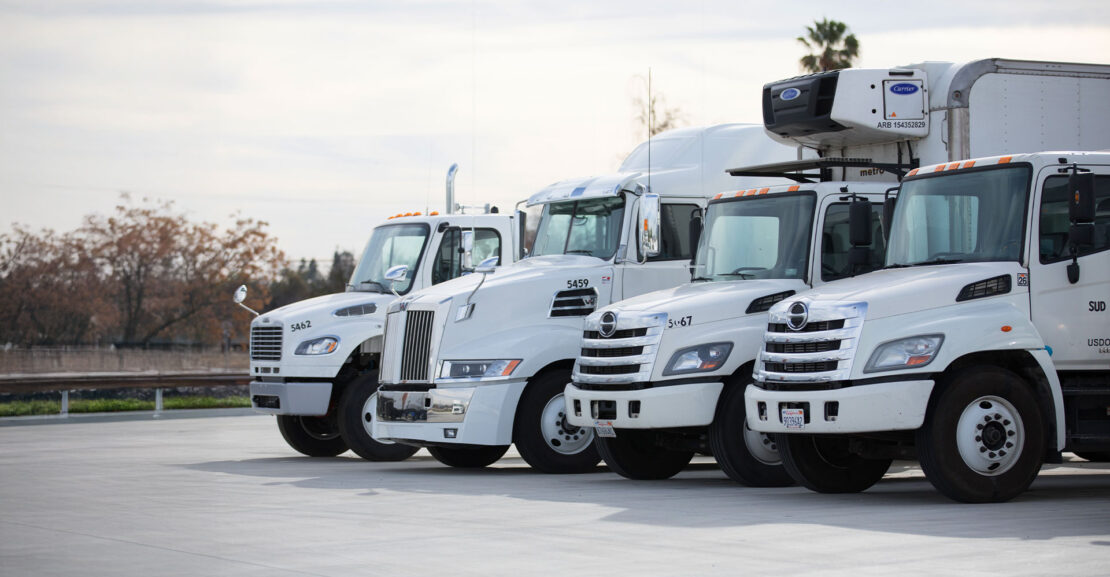
Fleet management today is a balancing act. One quarter, you’re scrambling to meet a surge in customer demand; the next, you’re sitting on underutilized assets draining your budget. Operational volatility, whether from seasonal fluctuations, sudden contract wins, or shifting market pressures, makes it harder than ever to build a fleet strategy that’s both efficient and agile.
That’s where short-term truck rentals come into play. Not as a fallback, but as a forward-thinking strategy. These flexible rental solutions are quietly transforming the way businesses scale, pivot, and grow, offering a smarter way to navigate change while protecting your bottom line.
Flexibility in Fleet Management
Change is constant in logistics and operations. Whether you’re a regional carrier handling overflow during peak season or a manufacturer moving products under a tight deadline, your vehicle needs can shift fast. Committing to a long-term lease or purchase doesn’t always make sense in a landscape where the only constant is change.
Short-term truck rentals provide the flexibility to scale up or down on demand. Need five extra box trucks next week for a new retail launch? Covered. Only need them for a month? No problem. The ability to respond with speed, without long-term obligations, gives businesses a competitive edge in both planning and execution.
Moreover, rental fleets tend to be diverse. Whether you need cargo vans, stakebeds, refrigerated units, or tractors, a short-term rental partner can match your exact needs in real time. This not only prevents operational delays but also ensures you’re always using the right equipment for the job.
Cost-Effective Scaling
For companies navigating seasonal shifts, temporary contracts, or fast-changing markets, short-term rentals offer a way to scale without the weight of long-term financial commitment. Rentals help bridge the gap, delivering operational flexibility without locking up capital.
This can be especially powerful for businesses working on thin margins or those redirecting resources into core areas like talent, tech, or infrastructure. Rentals eliminate large upfront costs, reduce financial risk, and create room for strategic investment elsewhere.
Another benefit? Predictable costs. Most rental agreements roll maintenance, support, and even roadside assistance into one transparent monthly rate. That makes budgeting simpler and more accurate, particularly for finance teams forecasting spend during uncertain conditions.
Rapid Response to Market Opportunities
In fast-moving markets, timing is everything. Being able to say “yes” to a new contract or expanded service area, without waiting months to procure and outfit new vehicles, can be the difference between gaining market share or falling behind.
Short-term rentals reduce the friction in taking on new opportunities. They allow you to respond instantly to RFPs, bid on larger contracts, or take on short-term project work without stretching your fleet thin or overcommitting on permanent assets.
Imagine landing a distribution contract that triples your delivery volume over the next six weeks. If you own your entire fleet, you may need to pass. But with short-term rentals, you can onboard the extra capacity within days, fulfill the contract, and return the trucks when the job is done.
That kind of agility isn’t just convenient, it’s strategic. It tells your customers and partners that you’re capable, resourceful, and ready to grow.
Operational Efficiency and Reliability
Vehicle downtime can destroy margins. Every hour a truck sits idle due to mechanical issues, scheduling mismatches, or maintenance delays is money lost.
Short-term rental providers, especially those with modern, well-maintained fleets, help eliminate that risk. Vehicles are serviced regularly, updated frequently, and spec’d for performance and safety. You’re getting a unit that’s ready to work from day one, with minimal ramp-up.
In many cases, rental providers also offer replacement vehicles or support in the event of breakdowns. That ensures you’re not leaving service gaps or damaging client relationships, just because of a mechanical hiccup.
And for businesses that lack a dedicated maintenance department, rentals offer built-in peace of mind. The responsibility for upkeep stays with the provider, so your team can stay focused on running the operation instead of chasing down parts or repair appointments.
Strategic Advantages Over Ownership
Ownership has its clear benefits, from building long-term equity to full operational control, and for many businesses, especially those with stable, predictable delivery routes, it remains a smart and strategic investment.
But even companies that own their fleets sometimes need more flexibility. Market shifts, short-term spikes in demand, and new growth opportunities don’t always align with ownership timelines. That’s where short-term rentals can provide valuable support.
Rentals allow businesses to supplement their core fleet with modern, compliant equipment, without taking on new long-term assets. It’s a way to stay current with evolving technology and emissions standards while avoiding the complexities of accelerated depreciation or asset liquidation.
When it comes time to cycle out aging equipment, short-term rentals can also ease the transition. You’re not forced into rushed purchasing decisions, and you gain breathing room to plan smarter, longer-term moves.
Ultimately, this hybrid approach, owning what you need and renting what you don’t, gives businesses more control, not less. It’s about matching the right tool to the right timeline. And that kind of flexibility creates operational clarity, strategic optionality, and less risk across the board.
Case Studies and Industry Examples
Consider a mid-sized construction company that wins a six-month government infrastructure project. They need dump trucks and flatbeds, fast. Rather than buy, they rent. This keeps cash flow intact and eliminates concerns about storing or selling the trucks once the contract ends.
Or take a food distributor with a recurring seasonal spike every summer. Instead of buying extra reefers that sit idle half the year, they rent during peak months. Result? Better asset utilization, smoother operations, and cleaner books.
Then there’s the last-mile delivery startup trying to prove itself to a national retailer. They land a three-month trial contract. Renting lets them fulfill it with confidence, test the model, and scale intelligently without gambling on ownership.
Each of these examples highlights the same truth: the companies that win are the ones that move fast, stay lean, and adapt. Short-term rentals are the tool that lets them do it.
Driving Growth Starts with Flexibility
Business growth today isn’t about size, it’s about speed and flexibility. In an unpredictable economy, agility is currency. And short-term truck rentals are how modern companies stay liquid, responsive, and scalable.
They’re not just a tactical option. They’re a strategic advantage. Whether you’re looking to take on more work, enter a new market, or simply build breathing room into your operations, short-term rentals can be the edge you need.
Suppose U Drive has been helping businesses do just that for nearly a century. With a diverse fleet, responsive support, and deep industry roots, we make it easy to turn flexibility into growth.
Ready to unlock new possibilities? Let’s talk about how short-term rentals can power your next move.