
The Return Trip: Why Reverse Logistics Deserves a Spot in Fleet Planning
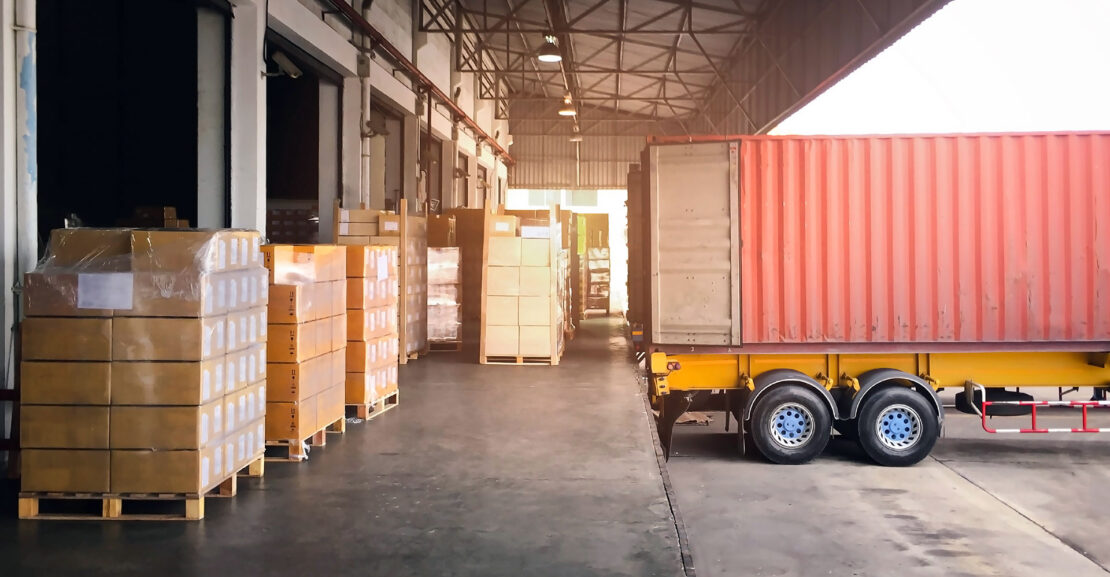
Fleet planning usually begins with a straightforward question: How do we get the freight where it needs to go?
Dispatchers build routes. Trucks are loaded. Delivery windows are scheduled. Drivers head out, customers receive their orders, and the operation moves on to the next day.
Except the freight does not always stay delivered.
Products come back. Customers refuse shipments. Packages cannot be delivered. Empty pallets, totes, racks, and containers need to be collected. Damaged goods have to move somewhere else. Some items return to inventory, while others head toward repair, refurbishment, recycling, liquidation, or disposal.
And somewhere in the middle of all that, a truck has to move it.
That makes reverse logistics much more than a warehouse or customer-service issue. It is also a fleet planning issue, and with e-commerce returns continuing to represent a significant share of online sales, the trip back deserves considerably more attention.
Reverse Logistics Goes Far Beyond Customer Returns
The term reverse logistics often brings one image to mind: somebody returning an online purchase.
That is certainly part of it. But for transportation teams, the picture is much broader.
Reverse logistics includes virtually any movement that sends products, materials, or equipment backward through a supply chain. Customer returns are included, but so are refused shipments, failed deliveries, damaged merchandise, reusable packaging, pallets, containers, product recalls, exchanges, recycling, and goods being moved for repair or refurbishment.
The fundamental challenge is uncertainty.
Outbound logistics usually starts with information. A company knows what it is shipping, how much space it takes, where it is going, and roughly when it should arrive. Trucks can be assigned accordingly.
Reverse freight is often messier.
One customer may have three neatly boxed returns waiting at the dock. Another may have damaged cartons. A third might have a bulky item that takes up far more room than anyone expected. Meanwhile, reusable pallets have accumulated at several stops, and yesterday’s failed deliveries are still moving through the system.
That uncertainty changes how vehicle capacity needs to be planned.
Q4 Creates an Outbound Peak and a Return Peak
Holiday fleet planning naturally focuses on getting products out.
That makes sense. Q4 can bring higher order volume, denser delivery schedules, tighter customer expectations, and more pressure on available trucks and drivers. Businesses may add routes, adjust schedules, rent additional equipment, or extend operating hours to keep freight moving.
Then comes the second wave.
The National Retail Federation has projected hundreds of billions of dollars in annual retail returns, with online purchases returning at particularly high rates. Recent holiday data has also shown return volumes growing faster than order volumes.
That means a strong outbound season can create a substantial reverse flow shortly afterward.
The timing matters.
A company may add transportation capacity in November and December, then begin reducing that capacity right when returns accelerate. January arrives, outbound volume falls, and it can appear that the pressure has passed.
Operationally, however, some of that freight is now headed in the opposite direction.
Returns generated by Black Friday, Cyber Monday, holiday gifts, seasonal promotions, and January exchanges still require trucks, drivers, dock space, and processing capacity.
Fleet plans should account for both sides of the curve.
Return Pickups Still Consume Fleet Capacity
A single pickup rarely looks like a major transportation problem.
Add enough of them together and the math changes quickly.
Every return pickup can add mileage, stop time, loading activity, driver hours, and cargo-space requirements. Pickups may also disrupt carefully planned delivery sequences.
Imagine a truck leaving the warehouse full in the morning. As deliveries come off, cargo space gradually opens. That unused space looks like an opportunity.
But if the route includes return pickups, the available capacity begins filling again.
Now the dispatcher needs to know what is being collected, where it will fit, whether it can travel alongside remaining deliveries, and where it needs to go afterward.
Returns can also increase dwell time.
Drivers may need to locate merchandise, verify quantities, inspect packaging, obtain paperwork, load loose items, or wait for a customer to prepare the shipment. Ten extra minutes might seem harmless. Spread across ten stops, it becomes a meaningful part of the driver’s day.
Fleet utilization is affected even when outbound volume has not changed.
Failed Deliveries Create Their Own Reverse Logistics Problem
Sometimes the return trip begins before the delivery ever happens.
A customer is unavailable. A loading dock is closed. The shipment is refused. The delivery address is wrong. An item arrives damaged. The receiving location cannot accept the order.
The freight remains on the truck.
Now that shipment may need another delivery attempt, a trip back to the terminal, temporary storage, or movement to another facility.
None of those miles were part of the original successful-delivery assumption.
This is one reason first-attempt delivery performance has consequences beyond customer satisfaction. Failed deliveries occupy vehicle space, consume driver time, and create additional transportation activity without creating additional revenue.
They can also complicate the rest of the route.
A truck expected to empty gradually throughout the day may suddenly retain several large shipments. That affects how much freight can be collected later and whether additional trips become necessary.
What looked like a delivery problem becomes a fleet-capacity problem.
Empty Return Miles May Be an Overlooked Opportunity
Trucks frequently return from their final stop with little or nothing onboard.
Those miles still cost money.
Fuel is consumed. Driver hours continue. Tires accumulate wear. Maintenance intervals move closer. The vehicle is still being used, but that portion of the trip generates no productive freight movement.
In trucking, those empty miles are commonly referred to as deadhead.
Reverse logistics can sometimes create an opportunity to reduce them.
Consider a route that normally looks like this:
Warehouse to customer A, then customer B, then customer C, followed by an empty return to the terminal.
With better visibility into reverse freight, that same truck might complete a scheduled return pickup near customer C before heading back.
The return leg now carries something useful.
Not every empty mile can be eliminated. Pickup timing may not align. The returned freight may require different equipment. Geography can work against consolidation. Driver hours and customer schedules still matter.
But the larger planning question remains valuable:
Before sending the truck back empty, is there productive work nearby that belongs on the return trip?
Reusable Packaging Needs Transportation Too
Products are not the only things moving backward through supply chains.
Pallets, racks, bins, totes, reusable containers, cases, and other transportation equipment often need to return as well.
These assets can become nearly invisible because they are not merchandise. Yet they occupy space, accumulate at customer locations, and eventually require transportation.
Poor recovery planning can create a familiar inefficiency.
One truck delivers freight and leaves reusable equipment behind. Later, another vehicle travels to many of the same locations specifically to retrieve it.
That can mean two transportation movements where one coordinated route might have handled both.
For fleets operating predictable customer routes, packaging recovery deserves to be considered alongside product returns and backhauls.
A truck headed back toward the warehouse may have both available space and a natural opportunity to collect those assets.
Reverse Logistics Does Not Always Mean Returning to the Warehouse
Another common assumption is that anything coming back should return to the place where it started.
Operationally, that may not be the best destination.
Returned products can take several different paths depending on condition, value, customer expectations, and company policy.
Some return to available inventory.
Others may go to a regional consolidation facility, supplier, repair center, refurbishment operation, recycling location, outlet, liquidation channel, or another branch that can use the product.
Sending everything back to the original warehouse can create unnecessary handling and additional transportation.
Fleet planners therefore need more than pickup information. They need destination information.
If a driver collects a return 40 miles from the main distribution center but only 10 miles from the facility where that product ultimately needs to go, sending it all the way back to the warehouse first may add another transportation step for no useful reason.
Better disposition decisions can shorten the reverse journey.
Vehicle Selection Matters When Freight Moves Both Directions
A truck that works perfectly for outbound deliveries may behave differently once reverse freight enters the route.
Outbound loads tend to be organized. Freight may be palletized, wrapped, sequenced, and positioned according to delivery order.
Returns are less cooperative.
A driver might collect loose cartons at one stop and a large damaged item at the next. Another customer may return palletized freight requiring liftgate service.
That creates several useful fleet-planning questions.
How much usable capacity typically remains after the midpoint of the route? Can returned goods travel safely alongside undelivered freight? Are pickups mostly cartons, pallets, or oversized items? Does the route require a liftgate? Would a smaller vehicle be more efficient for concentrated pickup runs?
There is no universal reverse-logistics vehicle.
The right equipment depends on route density, freight type, volume, loading requirements, and final destination.
During high-return periods, that can also make flexible fleet capacity valuable. A company may not need another vehicle permanently, but it may benefit from additional rental trucks while seasonal pickup and redistribution activity is high.
Better Reverse Logistics Starts With Better Fleet Data
Businesses measure outbound operations relentlessly.
Cost per mile. Deliveries per route. On-time performance. Fuel consumption. Vehicle utilization. Driver hours.
Reverse logistics deserves similar visibility.
Useful metrics might include return pickups per route, average pickup dwell time, return volume by week, empty miles after the last delivery, percentage of routes carrying freight on the return leg, failed deliveries, and the amount of vehicle capacity consumed by reverse freight.
The objective is not to create more reports for the sake of reporting.
It is to make the return trip visible.
When businesses understand where returns originate, when they occur, how much space they consume, and where vehicles are already traveling empty, better planning opportunities start appearing.
A pickup that seems inefficient by itself may become highly efficient when paired with an existing delivery route.
Plan Reverse Logistics Before Q4 Arrives
Reverse logistics planning works better before the freight begins coming back.
Companies heading into peak season can start by reviewing previous return patterns. Which weeks generated the most volume? Which customers or geographic areas produced the most pickups? Where did trucks regularly return empty? Which returned goods required special equipment or extra handling?
Then model the upcoming season.
If outbound volume is expected to increase, reverse volume will likely follow.
Determine whether existing routes can absorb those pickups or whether additional capacity may be required. Identify opportunities to consolidate returns. Look for customer locations that can be served during existing delivery routes. Decide where returned products should go before trucks begin collecting them.
For companies that need temporary capacity during seasonal peaks, rental trucks can help cover pickup routes, redistribution activity, and short-term changes in freight flow without permanently expanding the fleet.
At Suppose U Drive, we work with businesses across the Western U.S. that need commercial vehicles when fleet demand changes. And peak demand does not always mean more freight going out. Sometimes the pressure shows up on the trip back.
The Return Trip Belongs in the Fleet Plan
Transportation has traditionally been built around the outbound journey because that is where the customer promise lives.
But the delivery is no longer always the end of the freight movement.
Returns, failed deliveries, reusable packaging, pickups, and backhauls all consume trucks, drivers, space, and time. In a market where e-commerce continues to generate substantial return volume, those reverse movements can no longer be treated as an operational afterthought.
The strongest fleet plans look at the entire route. Not only how the truck gets loaded. Not only where it delivers. But what it can accomplish on the way back.
Ready to cover your reverse logistics needs this peak season? Contact Suppose U Drive today to find the right rental vehicles for pickups, backhauls, and return capacity.
Frequently Asked Questions About Reverse Logistics
What is reverse logistics?
Reverse logistics is the movement of products, materials, packaging, or equipment backward through the supply chain. It can include customer returns, failed deliveries, product recalls, reusable packaging recovery, recycling, repair, refurbishment, and other return movements.
How does reverse logistics affect fleet planning?
Returns and pickups consume vehicle capacity, mileage, driver hours, and loading time. Planning them alongside outbound deliveries can help companies better understand vehicle requirements and identify opportunities to reduce unnecessary trips or empty miles.
Why is reverse logistics especially important during Q4?
Higher holiday sales typically create higher return activity afterward. Businesses that increase transportation capacity for peak outbound demand should also consider the return volume that may follow during late December and January.
Can reverse logistics reduce empty truck miles?
In some operations, yes. Return pickups, packaging recovery, and other backhaul opportunities can sometimes be matched with vehicles that would otherwise return empty after completing deliveries.