

Fleet Maintenance: Best Practices for Longevity and Efficiency
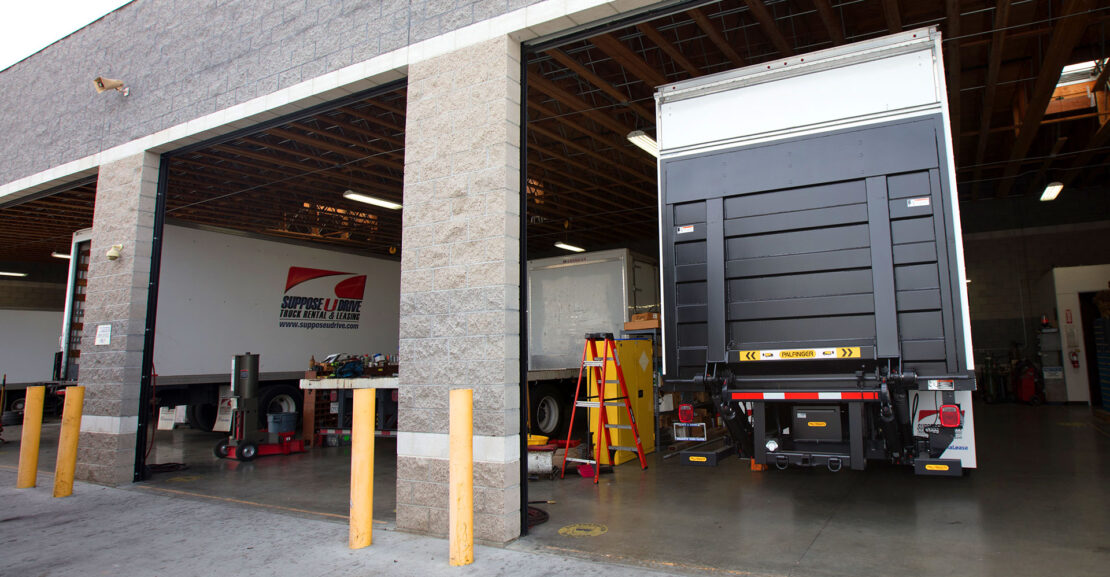
Fleet maintenance is the cornerstone of a thriving and efficient operation. A well-maintained fleet runs smoothly, saves money, and ensures the safety of drivers and cargo alike. At Suppose U Drive, we understand the critical role that maintenance plays in the longevity and efficiency of your fleet. Our commitment goes beyond keeping your trucks on the road; we ensure they perform at their best, mile after mile.
Through our comprehensive maintenance plans, cutting-edge fleet management tools, and a team of expert technicians, Suppose U Drive supports your fleet maintenance needs every step of the way. Let’s explore why fleet maintenance is vital and how we can help you achieve the highest standards of efficiency and longevity for your fleet.
KEY TAKEAWAYS
- Scheduled Maintenance: Routine inspections, preventive maintenance, and adherence to a comprehensive maintenance schedule are crucial for fleet longevity and efficiency.
- Record Keeping: Detailed maintenance logs and utilizing digital fleet management solutions help track maintenance activities, predict issues, and make data-driven decisions.
- Quality Parts and Training: Using high-quality parts and ensuring continuous education for drivers and maintenance staff enhance the reliability, performance, and safety of the fleet.
Importance of Regular Fleet Maintenance
Regular fleet maintenance is a strategic investment. It is much more than a routine task, and can pay off in multiple ways. By understanding its impact on longevity, efficiency, and safety, you can appreciate the value of a well-maintained fleet.
Impact on Longevity
Regular maintenance significantly extends the life of vehicles. By routinely checking and replacing vital components, you prevent minor issues from becoming major problems. This proactive approach ensures that each vehicle remains operational for as long as possible, maximizing your investment and reducing the need for frequent replacements.
Efficiency Benefits
Well-maintained vehicles perform better on the road. Properly tuned engines, correctly inflated tires, and clean filters contribute to smoother operations and better fuel efficiency. This not only reduces operational costs but also minimizes downtime. When your fleet runs at peak efficiency, you can meet delivery schedules more reliably and keep customers satisfied.
Safety Considerations
Safety is paramount in fleet operations. Regular maintenance checks help identify and fix potential safety hazards before they lead to accidents. Ensuring that brakes, lights, and steering systems are in optimal condition protects your drivers and others on the road. A safe fleet also means fewer liability issues and a better reputation for your business.
Best Practices for Fleet Maintenance
Effective fleet maintenance ensures that your vehicles remain reliable, efficient, and safe. Here are some best practices to help you achieve these goals:
Scheduled Maintenance
A well-structured maintenance schedule is the foundation of fleet longevity and efficiency. It encompasses routine inspections, preventive maintenance, and adherence to a comprehensive maintenance timeline.
Routine Inspections: Regular vehicle inspections form the backbone of a solid maintenance plan. These inspections help identify potential issues before they become serious problems. Checking everything from tire pressure to fluid levels and brake systems ensures that each vehicle is road-ready and safe.
Preventive Maintenance: This involves the regular replacement of key components like oil, filters, and brake pads before they fail. This proactive approach keeps vehicles running smoothly and prevents costly breakdowns. Regularly scheduled oil changes, brake checks, and tire rotations are essential parts of this process.
Maintenance Schedule: Developing and adhering to a comprehensive maintenance schedule is crucial. This schedule should include all routine inspections and preventive maintenance tasks, ensuring nothing is overlooked. Consistency in maintenance helps keep the fleet running efficiently and extends the lifespan of the vehicles.
Record Keeping
Accurate and detailed record-keeping is essential for effective fleet management. It allows you to track maintenance history, predict future needs, and make data-driven decisions.
Maintenance Logs: Keeping detailed records of all maintenance activities is vital. Maintenance logs track every service performed, parts replaced, and any issues encountered. This historical data is invaluable for planning future maintenance and identifying recurring problems.
Tracking Wear and Tear: Using data to track wear and tear on vehicles allows for better prediction and prevention of issues. By analyzing trends in the data, you can anticipate when certain components will need replacement and avoid unexpected failures.
Digital Solutions: Utilizing fleet management software for efficient record-keeping can streamline the entire process. These digital solutions offer real-time tracking, automated reminders, and comprehensive reporting, making it easier to manage the fleet’s maintenance needs.
Training and Education
Investing in the knowledge and skills of your team is crucial for maintaining a high-performing fleet. This includes both drivers and maintenance staff.
Driver Training: Educating drivers on the importance of daily vehicle checks and how to report issues is a vital part of fleet maintenance. Drivers are the first line of defense in identifying potential problems, so they need to be well-trained in spotting and reporting issues.
Maintenance Staff Training: Ensuring that technicians are up-to-date with the latest practices and technologies is crucial. Regular training sessions and certifications keep the maintenance team knowledgeable and skilled, ensuring high-quality service.
Continuous Learning: Encouraging ongoing education and certification for maintenance personnel helps them stay current with industry advancements. Continuous learning ensures that your team is always equipped with the best knowledge and techniques.
Using Quality Parts and Equipment
The quality of parts and equipment used in your fleet directly impacts its performance and longevity. Investing in high-quality components pays off in the long run.
OEM vs. Aftermarket Parts: Using high-quality parts, whether OEM (Original Equipment Manufacturer) or reputable aftermarket parts, ensures reliability and longevity. While OEM parts are designed specifically for your vehicles, high-quality aftermarket parts can also offer excellent performance at a lower cost.
Regular Upgrades: Keeping the fleet updated with the latest technology and equipment is essential for maintaining efficiency. Regular upgrades to vehicle systems and components can enhance performance and reduce the likelihood of breakdowns.
Supplier Relationships: Building strong partnerships with reliable parts suppliers ensures you have access to the best parts and equipment. These relationships can also provide cost benefits and ensure the timely delivery of necessary components.
Tips for Ensuring Longevity and Efficiency
Maintaining your fleet’s longevity and efficiency involves more than just regular maintenance. Here are some specific tips to help you achieve these goals:
Fuel Management: Implement strategies such as route optimization to reduce unnecessary mileage and idle time. Encourage drivers to adopt fuel-efficient driving habits, like smooth acceleration and braking. Regularly check and maintain the fuel system to ensure it operates at peak efficiency.
Tire Management: Regular tire inspections and rotations are essential to prevent uneven wear and extend tire life. Ensure proper tire inflation, as incorrect pressure can lead to increased fuel consumption and premature wear. Use high-quality tires and replace them when they reach the end of their lifespan to improve safety and efficiency.
Lubrication: Proper lubrication of all moving parts is vital for reducing friction and wear. Regularly check and top off engine oil, transmission fluid, and other lubricants. Use high-quality lubricants and adhere to the manufacturer’s recommended lubrication schedule to prevent breakdowns and keep vehicles running smoothly.
Climate Considerations: Adapt maintenance practices to seasonal changes and varying climates for optimal vehicle performance. In colder climates, ensure vehicles are winterized with appropriate antifreeze levels and winter tires. In hotter climates, pay extra attention to cooling systems and tire pressure. Regularly check for weather-related wear and tear, such as rust or corrosion from road salt in wintery conditions.
How Suppose U Drive Supports Fleet Maintenance
At Suppose U Drive, we’re committed to keeping your fleet in optimal condition with our comprehensive fleet maintenance services. Here’s how we support your fleet maintenance needs:
Comprehensive Maintenance Plans: We offer tailored maintenance plans that cover all aspects of fleet upkeep. Our services include routine inspections, preventive maintenance, and timely repairs to ensure your vehicles remain reliable and efficient. From oil changes and brake checks to tire rotations and more, our maintenance plans are customized to meet the specific needs of your fleet.
Fleet Management Solutions: We provide state-of-the-art fleet management solutions to help you effectively manage your fleet. Our technology allows you to track maintenance schedules, monitor vehicle health, and predict potential issues before they escalate. With real-time data and automated reminders, you can minimize downtime and keep your fleet running smoothly.
Expert Technicians: Our team of skilled technicians is dedicated to delivering top-notch maintenance and repair services. With extensive training and experience, our professionals are equipped to handle all types of fleet vehicles. Whether it’s a routine maintenance task or a complex repair, you can rely on our experts to provide high-quality service and keep your vehicles in peak condition.
Driving Success Through Proactive Maintenance
Regular fleet maintenance is essential for ensuring vehicle longevity and efficiency. By implementing best practices such as scheduled maintenance, diligent record-keeping, continuous training, and using quality parts and equipment, you can enhance the performance, safety, and reliability of your fleet.
Investing in regular maintenance is crucial for the longevity and efficiency of your fleet. By partnering with Suppose U Drive, you ensure that your vehicles receive the best care, helping your business thrive and succeed. Make the smart choice for your fleet’s future. Reach out to Suppose U Drive today.
FAQs
What specific technologies are included in fleet management solutions?
Fleet management solutions typically include advanced software that offers real-time tracking, automated maintenance reminders, and comprehensive reporting features. These technologies help monitor vehicle health, predict potential issues, and manage maintenance schedules efficiently.
How can fleet maintenance services be customized for different types of fleets (e.g., delivery vans vs. long-haul trucks)?
Fleet maintenance services can be tailored to meet the specific needs of various fleet types. Customization includes adapting maintenance schedules, service types, and parts used to fit the unique requirements of different vehicles and operational demands.
What are the cost implications of implementing a comprehensive maintenance plan?
Investing in a comprehensive maintenance plan is designed to reduce long-term costs by minimizing downtime, preventing costly breakdowns, and extending vehicle lifespan. For detailed pricing information, contact Suppose U Drive directly to discuss tailored solutions and potential cost savings for your fleet.