

Building a Resilient Supply Chain with Flexible Truck Leasing
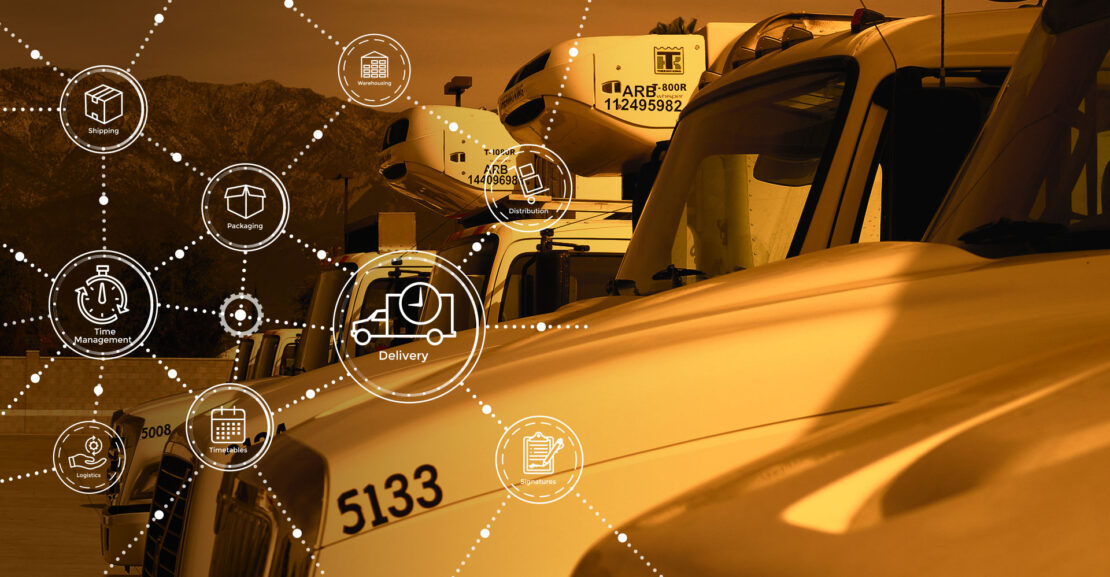
Supply chain resilience is key to thriving amid adversity. It involves preparation for anything, anticipating risks, adapting swiftly to changes, and recovering quickly from setbacks. In today’s interconnected world, building resilience is a necessity.
The road to resilience is not easy. Market volatility, geopolitical tensions, and natural disasters are just a few of the many challenges that can disrupt even the best-laid plans. The global pandemic has exposed the vulnerabilities of traditional supply chain models, highlighting the need for more flexible solutions.
Flexible truck leasing is emerging as a game-changer in building supply chain resilience. By providing businesses with the agility and adaptability they need to navigate uncertain times, these innovative leasing options can help companies stay ahead of the curve and thrive in the face of adversity.
KEY TAKEAWAYS
- Flexible truck leasing allows businesses to adapt quickly to changing market conditions, handle demand fluctuations, and mitigate risks associated with vehicle ownership.
- Cost efficiency, risk management, and improved operational efficiency are significant benefits. Leasing reduces capital expenditure and provides access to modern, well-maintained vehicles with advanced technology.
- Adaptability is crucial for managing disruptions such as natural disasters, pandemics, and economic downturns.
The Need for Flexibility in Supply Chains
The market is constantly shifting in response to various factors. From sudden spikes in demand to geopolitical tensions disrupting trade routes, market changes can significantly impact supply chains.
One of the most common examples of market changes is demand fluctuations. Whether due to seasonal variations, changing consumer preferences, or unexpected events, sudden shifts in demand can put immense pressure on supply chains. Without the ability to quickly adjust production and distribution, companies risk stockouts, overstocking, and lost sales.
Geopolitical issues are another major source of market disruption. Trade disputes, tariffs, and political instability can all significantly impact supply chains, causing delays, increased costs, and even complete breakdowns in the flow of goods.
Common Supply Chain Disruptions
In addition to market changes, supply chains are also vulnerable to a wide range of disruptions that can strike at any time. Natural disasters like hurricanes, earthquakes, and floods can damage infrastructure and disrupt transportation networks, making it hard to move goods.
Pandemics like COVID-19 can also devastate supply chains. Lockdowns, travel restrictions, and workforce shortages can all contribute to significant delays and disruptions in the flow of goods and services.
Economic downturns can also wreak havoc on supply chains. As consumer spending declines and businesses struggle to stay afloat, the demand for goods and services can plummet, leaving supply chains overstocked and underutilized.
Importance of Adaptability
In the face of these challenges, adaptability has become a critical skill for businesses looking to build resilient supply chains. By embracing flexibility and quickly adjusting to changes, companies can minimize disruptions and maintain the flow of goods and services.
One key aspect of adaptability is the ability to quickly scale production and distribution up or down in response to changes in demand. This requires a high degree of flexibility in manufacturing processes, as well as the ability to rapidly adjust transportation and logistics networks.
Another crucial aspect of adaptability is the ability to quickly pivot to alternative suppliers or routes during disruptions. By having multiple options available and being able to switch between them seamlessly, companies can minimize the impact of delays and ensure that goods continue to flow.
Ultimately, the importance of adaptability in supply chain management cannot be overstated. In a world where change is the only constant, companies that can quickly adjust to new circumstances and maintain the flow of goods and services will be the ones that thrive in the long run.
Understanding Flexible Truck Leasing
Flexible truck leasing allows businesses to rent vehicles for specific periods and adjust lease terms as needed. This can include short-term leases for a few weeks or months, long-term leases for several years, or even seasonal leases that allow companies to ramp up their fleet during peak periods and scale back during slower times.
One of the key advantages of flexible leasing is the ability to pay only for what you use. Many flexible leasing providers offer pay-per-use models, where businesses are charged based on the actual usage of the vehicle, rather than a fixed monthly rate. This can be particularly beneficial for companies with fluctuating demand or seasonal business cycles.
Unlike traditional leasing or ownership models requiring long-term commitments and high upfront costs, flexible leasing provides vehicle access without significant capital tie-up. This can be especially important for small and medium-sized enterprises (SMEs) or startups that may not have the financial resources to purchase a fleet outright.
Key Features
- Customization: Tailor lease terms to specific needs, including lease length and vehicle types.
- Scalability: Easily add or remove vehicles as transportation needs change, crucial for handling demand spikes or market expansion.
- Maintenance: Leasing agreements often include maintenance and repair services, allowing businesses to focus on core operations while reducing downtime, improving vehicle reliability, and minimizing maintenance costs.
- Tools & Services: Advanced fleet management tools and services are provided, such as real-time vehicle tracking, route optimization, driver performance monitoring, and fuel management, enhancing efficiency, reducing costs, and increasing supply chain visibility.
Benefits of Flexible Truck Leasing for Supply Chain Resilience
- Cost Efficiency: Lower capital expenditure by leasing instead of purchasing, freeing up cash flow for other investments. Predictable monthly payments covering maintenance and repairs simplify budgeting.
- Risk Management: Transfer costs of depreciation, maintenance, and repairs to the leasing provider, mitigating risks associated with vehicle ownership and enhancing financial predictability.
- Enhanced Operational Efficiency: Access modern, well-maintained vehicles with advanced technology, including safety features, fuel-efficient engines, and telematics. Comprehensive fleet management services streamline operations and reduce administrative overhead.
- Improved Agility: Quickly adapt to changing market conditions and customer demands with access to a range of vehicles and services. Flexible leasing supports business agility in expanding markets, launching new products, and responding to shifts in customer
Implementing Flexible Truck Leasing Solutions with Suppose U Drive
At Suppose U Drive, we believe that every business is unique, with its own set of transportation requirements, challenges, and goals. That’s why we start every engagement with a comprehensive assessment of your business needs. Our experts will evaluate your transportation requirements and identify areas where flexible leasing can optimize operations and build resilience.
Whether you’re looking to scale your fleet up or down based on seasonal demand, reduce your capital expenditure, or improve your operational efficiency, we’ll help you determine the best flexible leasing options for your specific needs.
Selecting Suppose U Drive as Your Leasing Partner
When it comes to choosing a flexible leasing partner, reputation and experience matter. At Suppose U Drive, we’ve built a reputation for reliability, customer satisfaction, and excellence in service. We understand the challenges that businesses face in today’s complex supply chain landscape, and we’re committed to helping our clients navigate those challenges with ease.
Our comprehensive service offerings include everything from vehicle maintenance and repair to fleet management and customizable lease terms. We’ll work with you to create a leasing solution that fits your unique needs, whether you require a short-term rental for a specific project or a long-term lease with flexible terms.
Suppose U Drive stands out for its emphasis on flexibility and scalability. We understand that your business needs can change rapidly, and we’re committed to providing leasing solutions that can adapt to those changes. Whether you need to add or remove vehicles from your fleet, adjust your lease terms, or access additional support services, we’ll be there to help you every step of the way.
Integration with Existing Operations
At Suppose U Drive, we believe that a flexible leasing solution should integrate seamlessly with your existing logistics operations. That’s why we offer a range of strategies and support services designed to ensure a smooth and efficient transition.
Our team will develop a customized integration plan addressing your specific needs and challenges. From coordinating vehicle deliveries and pick-ups to providing training and support for your drivers and logistics staff, we’ll ensure that your leased vehicles are up and running as quickly and efficiently as possible.
But our support doesn’t end there. Throughout the duration of your lease, our team will be available to provide ongoing support and guidance, ensuring that your leased fleet is operating at peak efficiency. From regular maintenance and repairs to fleet management and optimization, we’ll work with you to keep your vehicles on the road and your supply chain running smoothly.
Future Trends in Truck Leasing and Supply Chain Management
As the business landscape continues to evolve, so too will the world of truck leasing and supply chain management. At Suppose U Drive, we’re committed to staying ahead of the curve, anticipating and adapting to emerging trends and technologies to better serve our clients.
- Technological Advancements: One of the most significant trends shaping the future of truck leasing and supply chain management is the rapid pace of technological advancement. From telematics and real-time fleet tracking to artificial intelligence and predictive analytics, new technologies are transforming the way that businesses manage their transportation operations.
- Sustainability Considerations: Another key trend shaping the future of truck leasing is the growing focus on sustainability and environmental responsibility. As businesses look to reduce their carbon footprint and operate more efficiently, the demand for electric and alternative fuel vehicles is on the rise.
- Evolving Market Dynamics: As market dynamics continue to evolve, so too will the needs and challenges facing businesses in the supply chain. From shifting consumer preferences and changing regulations to new competitors and disruptive technologies, the future of supply chain management is likely to be marked by ongoing change and uncertainty.
- Collaborative Partnerships: Perhaps most importantly, the future of truck leasing and supply chain management will be shaped by collaborative partnerships between leasing providers and their clients. At Suppose U Drive, we believe that the most successful leasing relationships are built on a foundation of trust, transparency, and shared goals.
Suppose U Drive is committed to leading in all these areas, ensuring our clients benefit from the latest technological advancements, sustainable practices, and adaptive strategies. Our focus on building strong, collaborative partnerships helps businesses navigate the complexities of the evolving market with confidence and resilience.
Partnering for a Resilient Future
In today’s rapidly evolving business landscape, building a resilient supply chain is more important than ever. And when it comes to achieving that resilience, flexible truck leasing is a powerful tool that can help businesses adapt to changing market conditions, reduce costs, and improve operational efficiency.
So if you’re looking to optimize your supply chain operations and build a more resilient business, we invite you to partner with us. With our expertise, commitment to excellence, and focus on clients’ success, we’re confident we can help you achieve your goals and drive your business forward.
FAQs
How does flexible truck leasing compare to truck renting in terms of cost, commitment, and benefits?
Flexible truck leasing and truck renting both offer valuable solutions depending on your needs. Leasing typically involves longer terms with lower monthly payments and customizable lease terms. It often includes added benefits such as maintenance, repairs, and access to advanced fleet management tools. Truck renting, on the other hand, is ideal for short-term needs, offering flexibility with higher daily or weekly rates but without long-term commitments. Renting is perfect for immediate or short-term requirements, while leasing suits those looking for a more extended, scalable solution with additional support services.
What specific advanced fleet management tools are included with flexible truck leasing?
Flexible truck leasing often includes advanced fleet management tools such as real-time vehicle tracking, route optimization software, driver performance monitoring, and fuel management systems. These tools enhance operational efficiency, reduce costs, and increase visibility into supply chain operations, allowing businesses to optimize their logistics and improve overall performance.
How can businesses ensure a seamless integration of flexible truck leasing into their existing logistics operations?
To ensure seamless integration, businesses should work closely with their leasing provider to develop a customized plan that addresses their specific needs and challenges. This includes coordinating vehicle deliveries and pick-ups, providing training and support for drivers and logistics staff, and setting up maintenance and repair services. Ongoing support and guidance from the leasing provider help maintain the leased fleet’s peak efficiency and smooth operation.