

Box Truck, Stakebed, or Crew Cab? Picking the Right Truck for Phoenix Jobsite Work
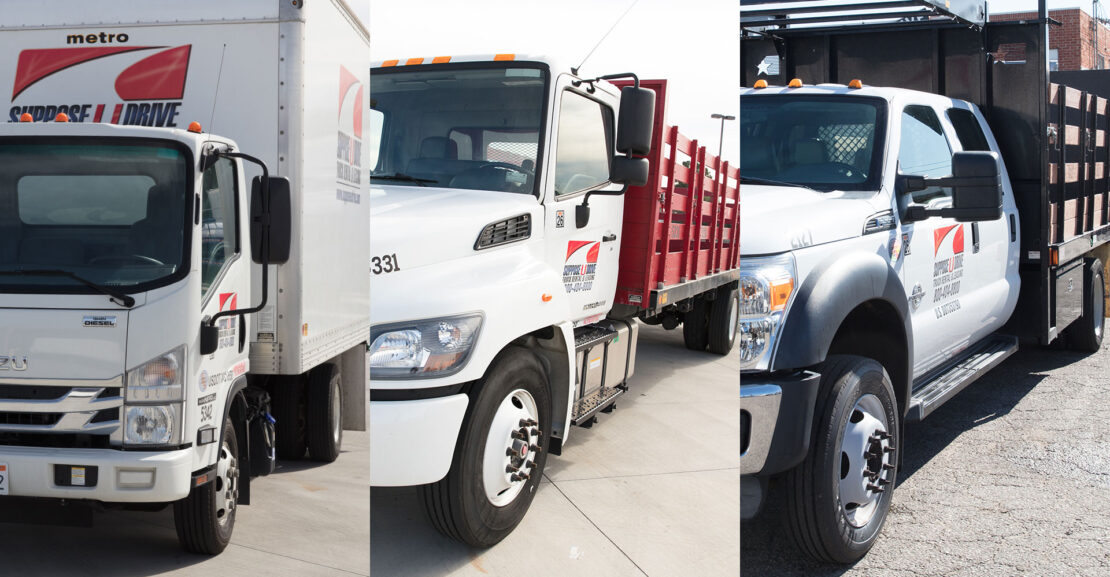
Phoenix jobsite work has a rhythm of its own.
The mornings start early. The heat builds fast. Crews move between neighborhoods, commercial sites, industrial areas, retail buildouts, and fast-growing parts of the Valley where the next job may look nothing like the last one. Materials change. Access changes. Timelines change. And through all of it, the truck becomes more than a way to get from one place to another.
It becomes part of the job.
For contractors and field-service businesses, choosing between a box truck, stakebed, or crew cab is rarely as simple as picking the biggest vehicle available or using whatever has worked in the past. Each truck type can be the right answer. Each can also create friction when it is matched to the wrong task.
That is why choosing the right contractor truck rental in Phoenix starts with the work itself. What needs to be carried? Who needs to ride? How will the truck be loaded? Where will it park? How long will the need last? Is the business covering a short-term project, a seasonal push, a new route, or a steady long-term operation?
Those questions matter.
The right truck helps the crew move cleaner, faster, and with fewer daily workarounds. The wrong fit may still get the job done, but it can make every stop feel a little heavier than it needs to be.
Phoenix jobsite truck needs are shaped by the workday
Phoenix is not a one-note market. Contractors may be supporting residential construction in one part of the Valley, commercial improvements in another, industrial logistics work near major corridors, or service calls spread across a wide geography.
That variety makes truck selection more important, not less.
A jobsite vehicle in Phoenix has to do more than carry materials. It may need to support crews through long days, high heat, tight access points, changing schedules, and multiple stops. A vehicle that fits one crew perfectly may not be the right match for another crew working a different type of site.
For example, a contractor delivering finished materials may need enclosed protection. A landscaping crew may need open access for bulkier supplies. A service team may need passenger space, hand tools, and enough flexibility to move between several calls in a single day.
The best choice depends on how the truck will actually be used.
That sounds obvious, but it is where many equipment decisions get tricky. A truck can look right on paper and still slow the job down in practice. Payload, body type, loading method, cab space, maneuverability, and cargo access all affect the day. In Phoenix, where heat and distance can already put pressure on schedules, small inefficiencies tend to stand out.
When a box truck makes sense for contractor work
A box truck is often a strong fit when the job calls for enclosed cargo space, better organization, and protection from weather, dust, or jobsite exposure.
For many contractors, that protection matters.
Box trucks can work well for electrical supplies, HVAC parts, plumbing materials, fixtures, tools, retail buildout materials, event support, facility work, and service operations where the crew needs to keep items organized and secure. If the cargo benefits from being enclosed, a box truck may support the work better than an open-bed option.
The key is to look beyond the box itself.
A contractor should think about how often the truck will be loaded and unloaded, whether the team needs a liftgate, whether side-door access would save time, and how the cargo will be arranged inside. A truck with enough space can still create slowdowns if the crew has to unload half the body to reach what they need.
That is where the details matter. Interior organization, door placement, liftgate needs, and the type of freight being carried can all affect productivity.
A box truck can be a practical choice for Phoenix jobsite work when the priority is keeping materials protected, organized, and ready to move from one stop to the next.
When a stakebed helps crews move materials faster
A stakebed can be a great fit when the work requires open access, flexible loading, and easier movement of bulky or awkward materials.
This is often where contractors start thinking differently.
A stakebed may be useful for lumber, pipe, conduit, fencing, landscape materials, pallets, equipment, and jobsite supplies that are easier to load from the side or top. If a forklift is involved, or if crews need access from multiple sides, an open-bed setup can save time.
That does not make it better than a box truck. It makes it better for certain kinds of work.
The open design can make loading and unloading faster, especially when materials do not need enclosed protection. It can also help when the shape of the load does not fit neatly into a box body. Long, wide, irregular, or stacked materials may be easier to handle with a stakebed.
Still, there are tradeoffs to think through. Materials may be exposed to weather, dust, and heat. Loads need to be secured properly. The bed length, gate style, payload rating, and tie-down options all matter. For some projects, the open access is a major advantage. For others, enclosed cargo protection may be more important.
The right answer depends on the material, the jobsite, and the way the crew works.
When a crew cab supports the people side of the job
Sometimes the main job of the truck is not just moving materials. It is moving people, tools, and coordination.
That is where a crew cab can make a lot of sense.
Crew cabs can be especially useful for supervisors, small crews, maintenance teams, service technicians, inspectors, and field teams that need to travel together. They can support lighter material needs while giving the crew space inside the cab, which can matter during long Phoenix workdays.
For some businesses, the ability to move the team efficiently is just as important as cargo capacity.
A crew cab may be the right fit for punch-list work, service calls, field supervision, repair jobs, light-duty construction support, or projects where tools and smaller supplies are moving with the team. It can also help when crews need to visit several jobsites in one day and do not require the full cargo volume of a box truck or the open material-handling flexibility of a stakebed.
The important question is whether the truck supports the crew’s real workflow.
How many people need to ride together? What tools need to come along? Does the bed need to carry materials? Is towing required? Will the truck be parked in tight areas? Does the job require frequent stops?
A crew cab can be the right answer when the people side of the work is central to the day.
Payload, access, and loading matter more than truck labels
Box truck, stakebed, and crew cab are useful categories, but they are only the starting point.
The better conversation is about the job.
A contractor may need to carry heavy materials, bulky materials, fragile items, temperature-sensitive products, tools, small parts, or a mix of everything. Sometimes the issue is weight. Sometimes it is space. Sometimes it is access. Sometimes it is the loading process.
A truck can run out of payload before it runs out of room. Or it can run out of room before it gets anywhere near its payload limit.
That distinction matters.
The way materials are loaded also affects the decision. Hand loading is different from forklift loading. Dock loading is different from curbside unloading. A liftgate can make sense for some routes, while side access may be more important for others. A ramp may be useful in one setting and unnecessary in another.
This is why choosing the right contractor truck rental in Phoenix should begin with a few practical questions.
What are you carrying? How heavy is it? How awkward is it? How often does it move in and out of the truck? Who is loading it? Where is it being delivered? Does the material need to be enclosed? Is the truck supporting one jobsite or moving all day?
The answers usually point toward the right vehicle type.
Renting can help match the truck to the project
Renting should not be viewed as a fallback option. For many contractors, it is a practical way to match the vehicle to the job without carrying unnecessary overhead between projects.
That flexibility can be especially useful in Phoenix.
A contractor may need a box truck for a short interior buildout, a stakebed for a landscaping push, or a crew cab for a temporary field team. The need may last a few days, a few weeks, or a busy season. In those cases, rental can help the business respond to the work in front of it without forcing a longer-term fleet decision too early.
That does not mean renting is always the answer.
Owning can make sense when the need is stable, predictable, and long-term. Leasing can support structured planning and steady access to equipment. Renting can help cover temporary demand, job-specific needs, seasonal volume, or project-based work.
Many businesses use a blend of all three.
The strongest fleet strategies do not treat rental, leasing, and ownership as competing ideas. They use each option where it fits best. For Phoenix contractors, that might mean owning or leasing core vehicles while renting additional trucks when the work changes, spikes, or spreads across new jobsites.
That is a healthier way to think about equipment. Not as a one-time decision, but as a tool for keeping the operation aligned with demand.
How Phoenix contractors can choose the right truck
Good truck selection starts with a clear picture of the workday. Not the ideal version of the workday, but the real one.
Where does the crew go? What slows them down? What gets loaded first? What needs to come out last? How many stops are planned? How often does the route change? How much space is actually needed? What does the heaviest day look like?
These are the questions that help contractors avoid mismatches.
A box truck may be the right fit if the work depends on enclosed cargo, organization, and protection. A stakebed may be better when materials are bulky, palletized, or easier to load from the side. A crew cab may make more sense when moving people, tools, and light supplies together is the priority.
The decision should also account for how long the need will last.
A short-term job may point toward rental. A longer, predictable need may point toward leasing or ownership. A growing business may use rental first to test what works before making a bigger commitment. A seasonal business may rely on rentals to cover peak demand without keeping extra vehicles idle during slower months.
Suppose U Drive can help contractors and field-service businesses think through those options in practical terms. The goal is not to force the work into a truck. It is to match the truck to the way the work actually gets done.
The right truck helps the jobsite run cleaner
The best truck choice is not always the most obvious one.
A box truck, stakebed, or crew cab can each be the right tool for Phoenix jobsite work. The answer depends on the materials, the crew, the route, the loading method, the heat, the schedule, and the length of the need.
When the truck fits, the day tends to run cleaner. Crews spend less time working around the vehicle. Materials move more efficiently. Routes feel more manageable. The business has more control over cost, timing, and productivity.
When the fit is off, the truck may still do the job. It just makes the job harder.
That is why vehicle selection deserves more attention than it sometimes gets. For contractors, the truck is not simply parked outside the job. It is part of the job.
Choosing the right one can make a meaningful difference.
FAQs
What is the best truck for contractor work in Phoenix?
There is no single best truck for every contractor. A box truck, stakebed, or crew cab can each be the right fit depending on cargo type, crew size, loading method, jobsite access, and how long the vehicle is needed.
When should a contractor choose a box truck?
A box truck can be a strong choice when materials, tools, parts, or equipment need enclosed protection, better organization, or more secure transport between jobsites.
When does a stakebed make more sense?
A stakebed can make sense when contractors need open access for bulky materials, palletized loads, lumber, pipe, fencing, landscaping supplies, or jobsite materials that are easier to load from the side or top.
When is a crew cab the better option?
A crew cab may be the better option when moving people is just as important as moving tools or supplies. It can support supervisors, small crews, service teams, and field operations that require passenger space.
Why consider contractor truck rental in Phoenix?
Contractor truck rental in Phoenix can help businesses match the truck to a specific project, season, jobsite, or temporary increase in work without carrying unnecessary overhead when the need changes.