

Arizona Produce Season Is Starting: Is Your Cold-Chain Fleet Ready?
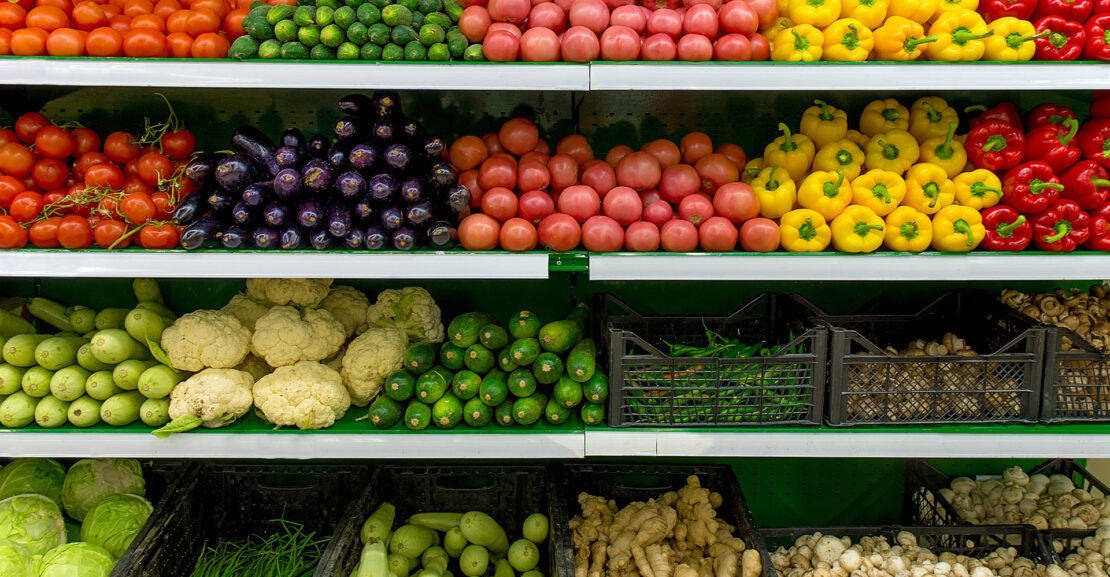
Arizona produce season rarely arrives with a single dramatic signal. It builds. One lane tightens before another. A few extra temperature-sensitive loads show up. Cross-border produce keeps moving through Nogales. Dispatch starts spending more time solving for timing, dwell, and equipment availability than anyone expected this early. Arizona producers were still harvesting leafy greens, citrus, and cool-season vegetables in early April, while USDA market reports also showed active Nogales movement in cucumbers, peppers, tomatoes, squash, and other commodities.
That is why this moment matters. Fleets do not usually get caught off guard because they missed the peak. They get caught off guard because they assumed they had a little more room, a little more time, and a little more flexibility than the market was willing to give them.
Arizona produce season is starting in layers, not all at once
For fleets operating in Arizona and the broader Southwest, spring produce is not one neat event on the calendar. It is a stacked operating environment. Domestic harvest activity, Western Arizona movement, and cross-border produce through Nogales all create pressure in different ways and on different timelines. USDA’s latest crop and market reporting shows that Arizona is still active in leafy greens and cool-season vegetables, while Nogales continues moving major fresh items like cucumbers, peppers, tomatoes, and watermelon.
Why Arizona produce season feels uneven in real life
That unevenness matters. A fleet may not see a huge wave all at once, but operations still feel the squeeze. One customer ramps up earlier. Another pushes appointments tighter. A receiver starts rejecting late arrivals more aggressively. A border-driven produce lane suddenly matters more than it did two weeks ago.
That is often how cold-chain stress begins. Quietly. It starts as a planning problem long before it becomes a capacity problem.
Nogales still matters to the bigger reefer picture
Nogales remains one of the key gateways in this story. USDA’s National Truck Rate Report for April 7 showed truck availability for Nogales produce loads as adequate overall, but other USDA market reports said several Nogales commodities were already being impacted by a slight shortage of trucks and high freight rates. In other words, this is not a market screaming crisis, but it is a market already reminding fleets that conditions can change fast.
That is a useful distinction. A market does not have to be in full shortage mode to punish slow decisions.
Cold-chain pressure builds faster than many fleets expect
Produce season tends to get described as a volume story. Sometimes it is. But for fleet operators, it is just as often a timing story. Refrigerated freight is sensitive to delay in a way many other loads are not. Small interruptions create outsized consequences. One missed handoff can become a service failure. One long dwell can create temperature exposure risk. One overcommitted trailer can pull the rest of the week off balance.
This is exactly why spring produce pressure tends to feel sharper than the numbers alone might suggest.
More freight does not have to mean a visible surge
Commercial Carrier Journal reported this spring that produce season demand was already drawing down reefer availability across South Texas, Florida, and California. That matters in Arizona even when the local signal looks manageable, because reefer capacity is never purely local. Equipment moves toward opportunity. When neighboring produce regions heat up, Arizona feels the ripple.
So even if your own customers are only starting to ask for more refrigerated coverage, the surrounding market may already be reshaping what is available, how quickly you can add it, and what it will cost to wait.
The market often tightens before the season feels fully busy
Another reason fleets get surprised is simple: early season pressure rarely looks dramatic at first. It looks inconvenient. Spotty. A little harder to cover than it should be. Commercial Carrier Journal noted earlier this year that spring produce season in 2026 was already being watched as a possible tightening catalyst, with Nogales to Los Angeles and Nogales to San Francisco reefer rates running well above year-ago levels.
That kind of shift is easy to underestimate. Until it is not.
Being reefer ready means more than having refrigerated equipment
Cold-chain readiness sounds obvious on paper. Have the truck. Have the trailer. Move the load. But anyone who has operated in seasonal refrigerated freight knows readiness is more layered than that.
It lives in the details. Equipment matters, of course. So do maintenance status, temperature discipline, pre-cooling practices, reefer fuel planning, communication between dispatch and drivers, and how cleanly loads are handed off from one leg to the next.
Temperature control is also an execution issue
A cold-chain fleet can have enough equipment and still struggle if the operating rhythm is off. Delays at pickup. Confusion over set points. Time lost waiting on paperwork. Equipment turned too slowly between loads. All of that can erode performance before anyone says the word capacity.
That is one reason fresh produce supply chains are watched so closely. The margin for sloppiness is thin. When the pace picks up, process weaknesses become visible.
Traceability expectations are shaping the conversation too
The regulatory backdrop matters here as well. FDA says the Food Traceability List includes fresh cucumbers, leafy greens, peppers, and tomatoes, and the agency notes that covered entities may need to provide required records within 24 hours of a request. FDA has also said it does not intend to enforce the Food Traceability Rule before July 20, 2028, but the operating discipline behind those expectations is already part of how many supply chains think about cold-chain performance.
For fleets, the takeaway is straightforward. Cold-chain readiness is not only about temperature. It is also about control, visibility, and clean execution.
Why reefer truck rental demand rises in Arizona during produce season
This is where seasonal planning gets more strategic. The wrong move is not always doing too little. Sometimes it is committing too much, too early, based on a market signal that has not fully sorted itself out.
That is why spring produce season often becomes a flexibility test rather than a pure fleet-size test.
Buying permanent capacity too early can create a different problem
Arizona produce movement can be very real and still be uneven. Some weeks pull harder than others. Some customers ramp cleanly. Others hedge. Cross-border flows stay active, but the pressure does not always land in the same lane every week. If a fleet responds to every early sign with a long-term equipment decision, it can end up carrying too much fixed cost once the seasonal bump shifts or softens.
That is the business case for flexibility.
Rentals create room without forcing a long-term bet
A reefer truck rental in Arizona can help bridge the space between baseline capacity and seasonal demand. That matters for fleets that want to protect service without overbuying. It matters for private fleets covering overflow. It matters for distributors and produce-adjacent operations that need support for a seasonal ramp but do not want to commit to a permanent expansion based on a short or uneven window.
In other words, rental capacity can give operations breathing room while the market reveals what it actually is, not just what it might become.
Arizona cold-chain planning works better when fleets think regionally
Arizona is never just Arizona in produce season. It is connected to Southern California, Texas, Florida, Mexico, and the wider Southwest freight picture. What happens in those regions changes how equipment repositions, how rates move, and how quickly local flexibility disappears.
That regional lens is where better planning starts.
The Southwest has a habit of rewarding prepared fleets
Fleets that perform well in this part of the map usually do not rely on a single-yard view. They think in corridors. Phoenix to Southern California. Nogales northbound. Redistribution into the interior Southwest. Backhaul implications. Appointment reliability. Time lost at facilities that run slower than the schedule on paper.
That broader view becomes even more important when outside factors start pushing produce markets around. Recent produce reporting also pointed to issues like Florida freeze damage and labor strain as contributors to a more fragile spring produce environment.
When that kind of friction is in play, flexible reefer capacity stops looking optional. It starts looking smart.
The fleets that handle produce season best usually scale with discipline
There is a temptation every spring to treat produce season like a race for as much capacity as possible. But disciplined fleets usually win this stretch a different way. They protect core customers first. They add capacity selectively. They avoid heroic promises. They stay practical. And they keep room to adjust when the market inevitably behaves a little differently than expected.
That is the mindset Arizona cold-chain operations need right now.
The season is starting. Not with fireworks. Not with one giant spike. With movement, signals, and a growing number of reasons to tighten the plan before the pressure feels obvious. For fleets that move refrigerated freight, that is usually the moment that matters most.
Ready to scale your reefer fleet for Arizona produce season?
Suppose U Drive’s Phoenix location has one of the largest refrigerated truck rental selections in the Southwest. From straight trucks to tractor-trailers, we jagve a wide variety of reefer options ready to go when you need them. Whether you’re covering seasonal overflow, protecting a key account, or adding flexibility before the market tightens, our Phoenix fleet is positioned to move with you.
Don’t wait for the crunch to find your equipment. Browse available reefer rentals at our Phoenix location and get your fleet ready before produce season peaks.
FAQs
When does Arizona produce season start affecting reefer fleets?
Usually before it feels obvious. Arizona and Nogales produce movement can start creating equipment pressure in layers, especially when other produce regions are also pulling reefer capacity at the same time.
Why does cold-chain pressure build so quickly during produce season?
Because refrigerated freight is sensitive to delay, dwell, and equipment timing. Even modest increases in demand can create bigger operational strain when loads are time-sensitive and temperature-controlled.
Is reefer capacity in Arizona already tight?
USDA’s April 7 truck report showed adequate availability for Nogales produce lanes overall, but USDA shipping-point reporting also noted slight truck shortages and high freight rates affecting some Nogales commodities. That suggests a market that is still workable, but not one to take for granted.
Why would a fleet rent reefer equipment instead of buying?
Because seasonal produce movement can be uneven. Renting can help a fleet cover overflow, protect service, and stay flexible without making a permanent fleet decision too early.
What produce categories matter most for cold-chain planning right now?
Fresh cucumbers, leafy greens, peppers, tomatoes, melons, and other temperature-sensitive commodities moving through Arizona and Nogales are all important signals for reefer planning. FDA’s Food Traceability List also includes several of those fresh categories.