

The Advantages of Fleet Rental for Small Business Growth
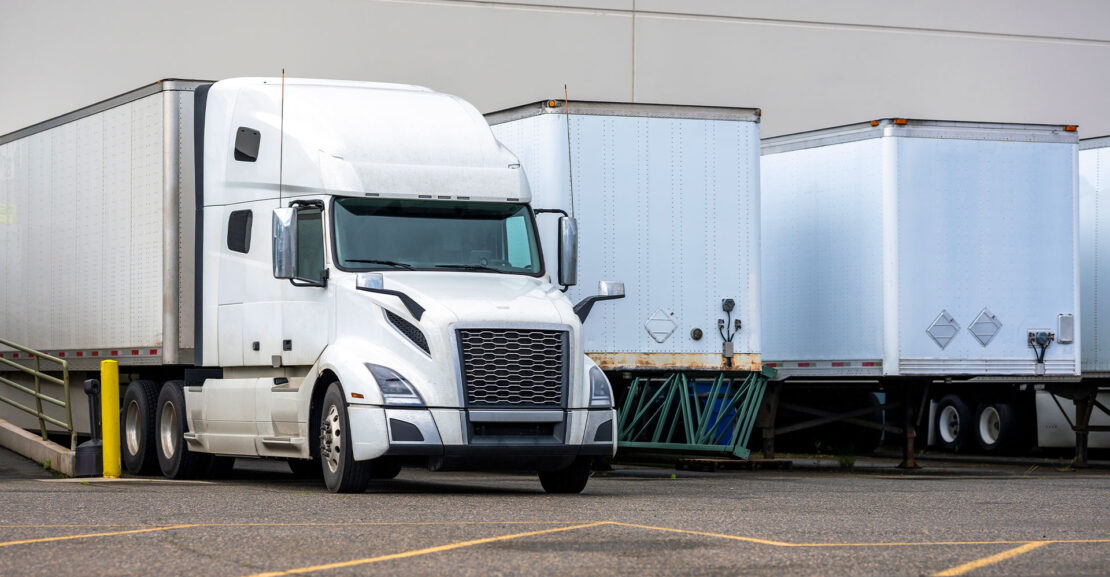
Growing a small business isn’t just about having a great vision, it’s about execution. And execution requires the right resources, one of the most critical being transportation. For businesses reliant on moving goods, delivering services, or managing logistics, scaling operations efficiently can feel like an uphill battle.
Purchasing a fleet outright is a major financial commitment, tying up cash flow that could be better spent on hiring, expanding service areas, or investing in technology. The upfront costs, ongoing maintenance, and depreciation risks make vehicle ownership a significant burden for many small businesses.
This is where fleet rental for small business owners becomes a game-changer. Instead of locking capital into depreciating assets, businesses can leverage cost-effective fleet rental solutions to scale operations efficiently and affordably. Whether it’s adding vehicles to meet seasonal demand, replacing outdated models without a hefty investment, or securing specialized trucks for short-term projects, commercial vehicle rental for small businesses provides the agility needed to grow, without long-term financial strain.
Financial Flexibility and Improved Cash Flow
Managing cash flow is one of the biggest challenges small businesses face. Every dollar needs to be spent strategically, and making a large investment in a fleet can strain resources. Purchasing vehicles outright not only requires significant upfront capital but also comes with ongoing expenses like insurance, maintenance, and depreciation.
Fleet rental for small businesses offers a smarter, more flexible way to scale. Instead of sinking money into ownership, companies can free up funds for other critical areas while still accessing the vehicles they need to operate smoothly.
Lower Upfront Costs
Buying commercial vehicles is expensive, not just in terms of the initial purchase price, but also with associated costs like insurance, registration, and upkeep. For small businesses, this kind of investment can be a major roadblock to growth.
With fleet rental, small businesses eliminate the need for large upfront spending. Instead of tying up capital in depreciating assets, they can redirect funds toward core operations, hiring, marketing, or technology upgrades. This approach keeps businesses financially stable and more agile, enabling smarter decision-making as they scale.
Example: A catering business looking to expand into a new market may need refrigerated trucks but doesn’t want to spend tens of thousands upfront. Fleet rental allows them to acquire the vehicles they need immediately while keeping their cash available for marketing and staff expansion.
Predictable Monthly Expenses
Unpredictable costs can disrupt a business’s budget, making financial planning challenging. One month, it’s routine maintenance; the next, an unexpected repair throws everything off track.
With fleet rental, expenses become more predictable. Fixed monthly payments simplify budgeting, allowing businesses to allocate resources more efficiently. No surprises, no unexpected repair bills, just reliable cost management that supports long-term financial stability.
Example: A logistics company operating on thin margins benefits from knowing its monthly rental expense upfront, rather than worrying about unexpected repair costs that could cut into profits.
Tax Advantages
An often-overlooked benefit of fleet rental vs. ownership is its tax efficiency. Unlike owned assets, which require complex depreciation calculations, rental payments are typically deductible as business expenses.
For small businesses, this means lower taxable income while maintaining access to a well-maintained, reliable fleet. Fleet rental for small business owners provides an additional financial incentive, reducing the burden of asset depreciation and allowing businesses to optimize their cash flow.
Operational Flexibility and Scalability
Growth isn’t always predictable or consistent. Some months, demand spikes, and additional vehicles are needed. Other times, scaling back is necessary to avoid unnecessary expenses. Owning a fleet locks businesses into long-term assets, making quick adjustments difficult and costly.
Commercial vehicle rental for small businesses provides the flexibility needed to adapt to market shifts without financial strain.
Easy Fleet Expansion or Reduction
One of the biggest advantages of fleet rental is the ability to scale a fleet up or down as needed. Whether a business secures a new contract requiring extra vehicles or experiences a slow season and needs to reduce its fleet, rental options allow for quick adjustments.
With flexible rental terms, businesses can adapt to demand fluctuations without the financial burden of purchasing and reselling vehicles. Need an extra van for a short-term project? Done. Need to downsize for a few months? No problem.
Example: An e-commerce retailer sees higher demand during the holiday season and rents extra delivery vans for three months, ensuring it meets demand without a long-term investment.
Access to Diverse Vehicle Options
Not all businesses require the same type of vehicles year-round. Some may need cargo vans for last-mile deliveries, while others require box trucks, flatbeds, or refrigerated trucks for specialized transport.
With commercial vehicle rental for small businesses, companies can select vehicles tailored to specific job requirements. Suppose U Drive offers a diverse fleet, so businesses always have access to the right equipment for the task at hand.
Example: A landscaping company renting different truck sizes for summer projects avoids investing in vehicles that may sit idle in the winter.
Rapid Response to Market Changes
When new business opportunities arise, companies that own their fleet may struggle to respond quickly. Fleet rental eliminates delays, allowing businesses to secure additional vehicles immediately and capitalize on new opportunities without long-term commitments.
Example: A small moving company lands a major commercial contract but needs two extra trucks immediately. With fleet rental, they secure the vehicles and complete the job without financial strain.
Maintenance and Reliability
Managing a fleet is more than just having vehicles on the road, it requires ongoing maintenance, repairs, and compliance management. For small businesses, this can quickly become an administrative burden, pulling focus away from growth and operations.
Outsourced Maintenance Responsibilities
Fleet ownership requires ongoing maintenance, servicing, and repairs, tasks that can quickly become a full-time responsibility.
With fleet rental, maintenance is covered in the agreement. Many rental companies, including Suppose U Drive, provide comprehensive maintenance services, ensuring vehicles remain in peak condition while businesses focus on operations.
Access to Newer, Well-Maintained Vehicles
Older vehicles pose higher risks, they are less fuel-efficient, more prone to breakdowns, and lack modern safety features.
With fleet rental, small businesses have access to newer, well-maintained models, improving fuel efficiency, reliability, and compliance with evolving safety standards, without the cost of purchasing new vehicles outright.
Risk Management
Owning a fleet comes with financial and operational risks, including depreciation, compliance concerns, and liability issues. Businesses that own their vehicles take on the full burden of these risks, which can lead to unexpected expenses, legal complications, and operational disruptions.
By choosing fleet rental, companies can minimize these risks, ensuring they always have safe, compliant, and well-maintained vehicles, without the long-term responsibilities of ownership. This allows businesses to focus on growth and profitability rather than worrying about vehicle depreciation, regulatory changes, or unexpected repair costs.
Mitigation of Depreciation Risks
Vehicles lose value quickly, especially in industries with high-mileage usage or frequent wear and tear. A truck or van purchased today may significantly decrease in resale value within just a few years, making it a poor long-term investment for many businesses.
Fleet rental eliminates depreciation concerns entirely. Since businesses don’t own the vehicles, they don’t have to worry about resale values, market fluctuations, or offloading outdated models. Instead, they can swap or return vehicles as needed, keeping their fleet modern and cost-effective.
Enhanced Safety and Compliance
Regulatory requirements, such as emissions standards, vehicle safety laws, and driver compliance rules, change frequently. Non-compliance can lead to fines, liability issues, or operational disruptions.
Fleet rental ensures that businesses are always operating with up-to-date, road-ready vehicles that meet the latest safety and environmental standards. Newer rental models often come equipped with advanced safety features and better fuel efficiency, reducing accident risks, downtime, and unexpected costs.
By choosing fleet rental, companies can operate efficiently while avoiding unnecessary risks, making it a practical and secure option for small business growth.
Driving Growth with Smart Fleet Solutions
For small businesses looking to scale, fleet rental is a powerful solution. It reduces the financial burden of ownership, improves operational flexibility, and ensures businesses always have the right vehicles for their needs.
At Suppose U Drive, we specialize in fleet rental for a wide variety of business owners, offering customized leasing and rental options to support business growth, efficiency, and cost savings.
Ready to optimize your fleet strategy? Contact Suppose U Drive today to explore the best rental and leasing options for your business needs.