
Ghost Loads, Phantom Calls, and Freight That Vanishes: Modern Trucking's Real Campfire Stories
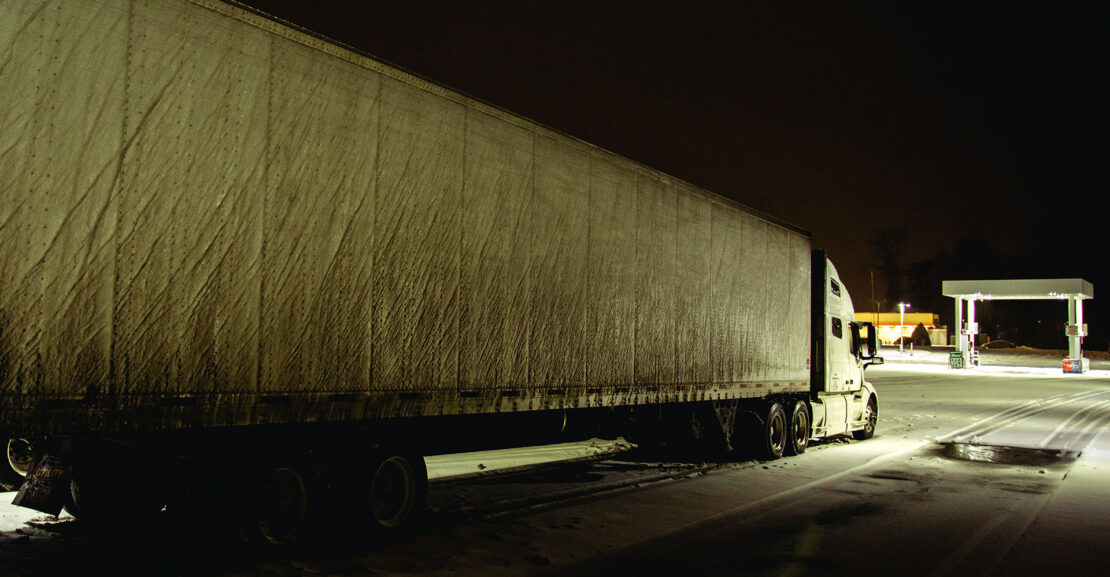
A trailer disappears overnight. A dispatcher gets a call from someone who knows everything about the load. A carrier arrives with the right pickup number, the right paperwork, and a truck that looks exactly like it belongs there. Hours later, everyone realizes the freight is headed somewhere it was never supposed to go.
The unsettling part is that these stories are becoming less fictional.
Modern freight fraud often does not begin with bolt cutters or a stolen tractor. It can begin with an email, a login, a phone call, or a load-board posting that looks completely ordinary. According to the FBI, estimated cargo theft losses in the United States and Canada reached nearly $725 million in 2025, up 60 percent from the year before. Strategic theft, which uses deception, identity theft, and digital manipulation to redirect freight, has become a major supply-chain threat.
For fleets, brokers, warehouses, and logistics teams, freight fraud prevention now requires a different question. Not simply, “Where is the truck?” but “Who is actually controlling this transaction?”
The Ghost Load: Real Freight, False Identity
A ghost load is not necessarily freight that never existed. Often, the freight is real. So is the shipper. So is the carrier authority being presented.
The problem is that someone in the middle may not be who they claim to be.
Criminal groups can compromise legitimate carrier or broker accounts, impersonate real businesses, and use those identities to post fraudulent loads. They can also bid on legitimate freight while presenting stolen credentials. It is a similar pattern to the fraudulent notices we’ve covered before — our related piece, Fake FMCSA Notices, Real Risk: How Motor Carriers Can Protect Their Data, Documents, and Identity, looks at how carriers can protect their own identity from being hijacked the same way.
That is what makes these schemes difficult to spot. A scammer does not have to invent a trucking company from scratch when it can borrow the digital identity of one that already exists.
The transaction may pass a casual inspection. The authority is active. The email looks familiar. Someone answers the phone.
Then the freight moves.
And the driver hauling it may have no idea the transaction behind the load has been compromised.
Phantom Calls and Spoofed Messages
The phone once felt like the quickest way to settle uncertainty. Call the contact, ask a question, confirm the details.
That assumption has become less reliable.
Fraudsters can use spoofed emails, temporary phone numbers, compromised accounts, altered contact information, and call-routing techniques to make fraudulent communications look normal. A caller may know the shipment number, lane, commodity, pickup location, and expected delivery time.
None of those details, by themselves, prove identity.
When an important instruction changes, verification should happen through a separate, established channel. A new delivery location, for example, should not be confirmed by calling the number contained in the same unexpected message requesting the change.
The phantom call is frightening precisely because it can sound so ordinary.
The Truck That Shows Up Right on Time
Older images of cargo theft usually involve someone taking freight by force or stealing an unattended trailer. Those threats still exist. But strategic theft has introduced a stranger scenario.
Sometimes the warehouse hands the freight over.
Fictitious pickups rely on deception rather than physical intrusion. The driver may have convincing identification, shipment details, carrier information, and paperwork. The truck may even arrive during the expected window.
Yet the carrier identity may have been stolen, the shipment may have been fraudulently rebrokered, or the driver may have been sent by someone who was never authorized to control the freight.
That is why a pickup number is no longer enough. It proves someone knows the pickup number. It does not prove who that person represents.
Pickup procedures should connect the physical truck to the approved transaction. Driver name, carrier name, tractor information, trailer information, and license plates should line up with what was contracted.
When the Destination Changes After the Freight Leaves
Not every stolen load disappears at pickup. Some leave exactly as planned.
Then something changes.
A driver receives revised instructions. The delivery appointment has moved. A different warehouse is now receiving the product. The load needs to go somewhere else first. There is urgency and enough operational detail to make the request sound reasonable.
A legitimate driver can be manipulated into moving stolen freight without knowingly participating in the theft. Fraudsters may alter shipping documents, impersonate dispatchers or brokers, or redirect a shipment after it is already in transit.
Unexpected changes involving destination, receiver, route, appointment, cross-dock location, or delivery instructions deserve independent confirmation.
Speed keeps freight moving. Criminals know that. They can also use it against the people responsible for moving it.
Double Brokering and the Question of Who Has the Load
Freight transportation already involves multiple parties, which creates plenty of legitimate handoffs. Fraud can hide inside that complexity.
In a normal brokered shipment, a shipper works with a broker, and the broker contracts with a motor carrier. With unauthorized double brokering, the carrier that accepted the freight may pass the job to another carrier without the original broker or shipper knowing.
That can create payment disputes. The carrier that actually hauled the load may finish delivery and discover the party that hired it has disappeared with the money.
The security implications can go further. Once freight passes through unauthorized hands, the original parties can lose visibility into who actually has it. Stolen carrier identities, fraudulent rate confirmations, and false dispatch instructions make that chain harder to untangle.
The driver at the end may be legitimate. The problem is the path used to put that driver there.
Why Old Freight Fraud Red Flags Are Not Enough
Fraud prevention has traditionally relied heavily on spotting something suspicious. Modern scams are designed to look routine.
An active authority can belong to a real company whose identity was compromised. An insurance certificate can look convincing. A polished email signature proves little. A caller may know trucking terminology. Even search results can contain false information created to reinforce a scam.
So the better question is not, “Does this look legitimate?”
It is, “Can we independently verify that it is legitimate?”
Good freight fraud prevention creates verification points around moments when control changes hands. Who booked the load? Who is picking it up? Who authorized the driver? Where is it going? Who requested the change?
Fraud thrives in assumptions. Verification removes some of them before they become expensive.
Freight Fraud Prevention Without Slowing Down the Operation
Nobody running a fleet or logistics operation wants every shipment to become an investigation. The goal is to add friction only where criminals depend on speed, trust, and incomplete verification.
Before booking, confirm questionable identities and contact information through established sources. Pay attention when contact details suddenly change, a rate looks unusually generous, or someone asks a driver to identify themselves as another carrier.
At pickup, match the driver and equipment to the carrier that was actually contracted. Good driver and vehicle records can help both prevention and investigation.
In transit, create a clear process for material changes. New destination? Different receiver? Last-minute cross-dock? Unexpected reroute? Confirm it through a known contact method before changing course.
Dispatchers, drivers, warehouse teams, and operations staff should understand that a strange request does not have to look obviously criminal to deserve another check.
The strongest systems are rarely built around one magical fraud-detection tool. They are built around several small checks that make it harder for a false identity or compromised message to control an entire load.
The Real Monster Lives Between the Systems
Freight moves through a network of shippers, brokers, carriers, dispatchers, drivers, warehouses, receivers, insurers, and technology platforms.
Each participant can do its own job correctly while a fraudster exploits the gap between them.
One person verifies the carrier. Another checks the pickup number. Someone else receives a change by email. The driver follows the newest instructions. Every step may look reasonable in isolation.
Modern cargo security therefore depends on communication across those handoffs. The question is whether the full chain still matches the transaction everyone originally agreed to.
For commercial fleets, that comes back to knowing the people, vehicles, and processes involved in moving the load. Suppose U Drive has worked with commercial fleets since 1936, and while the tools surrounding transportation have changed dramatically, that basic principle still holds.
Know who has the truck. Know who has the freight. Know who is authorized to change the plan.
The Scariest Freight Stories Start Normally
There will always be trucking stories about dark highways, missing trailers, suspicious parking lots, and strange calls in the middle of the night.
But some of today’s most expensive freight stories begin at 2 p.m. with an ordinary email.
That is what makes modern freight fraud so difficult. The deception often happens before anyone realizes there is a security problem. By the time the load becomes a ghost, the critical decision may have been made hours earlier by someone simply trying to keep freight moving.
Freight fraud prevention cannot eliminate every risk. It can make impersonation harder, unauthorized changes easier to catch, and suspicious handoffs less likely to pass unnoticed.
Because when a load vanishes today, the mystery often started long before the truck disappeared.
Frequently Asked Questions About Freight Fraud Prevention
What is freight fraud?
Freight fraud includes deceptive activity such as carrier identity theft, fake load postings, unauthorized double brokering, fictitious pickups, fraudulent documents, payment scams, and attempts to redirect cargo.
What is double brokering in trucking?
Double brokering generally occurs when a party accepts a load as a carrier and then gives it to another carrier without authorization from the original broker or shipper.
What are common freight fraud warning signs?
Common signs include mismatched contact information, sudden changes in phone numbers or email addresses, unusually high rates, requests for drivers to misrepresent their company, unexpected destination changes, questionable documents, and pressure to bypass normal procedures.
How can fleets reduce freight fraud risk?
Use independent identity verification, maintain driver and vehicle records, review unusual changes carefully, and establish clear procedures for confirming new pickup, routing, or delivery instructions.