

Commercial Truck Leasing in Phoenix: When Growth Starts Looking More Permanent
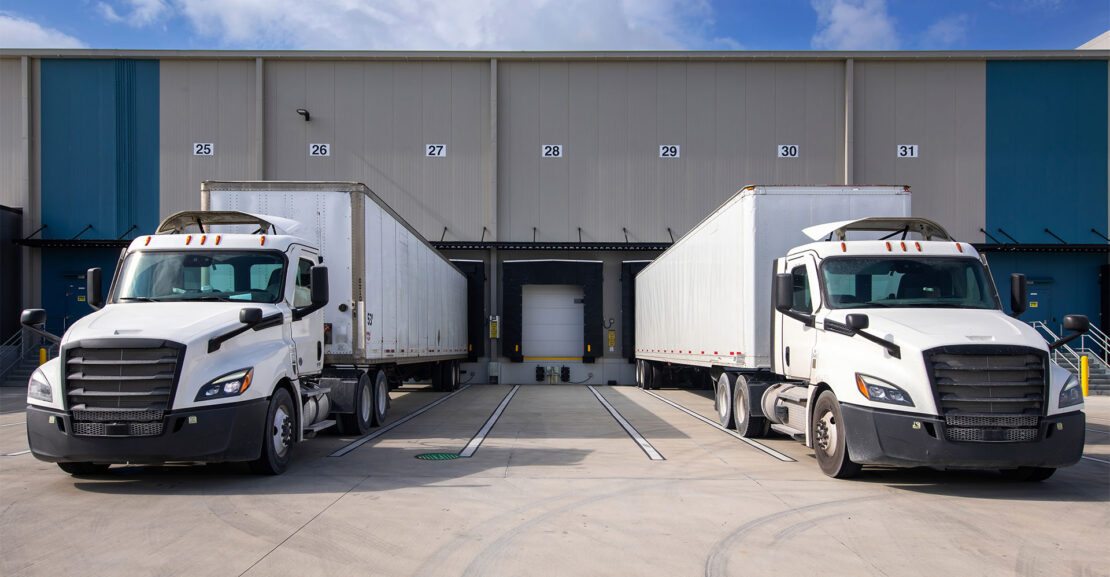
Growth does not always arrive with a grand announcement. Sometimes it shows up as one more delivery route. One more jobsite. One more customer who needs service every week instead of every once in a while.
For Phoenix businesses, that shift can happen quickly. A short-term truck rental that once solved a temporary need can start to feel like part of the operating plan. At that point, the question changes. Instead of asking how to cover the next job, the business has to ask whether its fleet is structured for the work that keeps coming back.
Commercial Truck Leasing in Phoenix for Businesses Moving Beyond Short-Term Rentals
Many companies begin with rentals for a good reason. Rentals are flexible, practical, and useful when demand is uncertain. They help a business take on seasonal work, cover a vehicle that is down, test a new route, or serve a customer without making a long-term commitment.
But over time, some rental needs stop acting temporary.
Maybe your team keeps requesting the same type of truck. Maybe a route that started as a trial has become part of the weekly schedule. Maybe crews are now planning their day around whether the right vehicle will be available. These are the moments when commercial truck leasing in Phoenix becomes worth a closer look.
Leasing can be a smart next step when the work is steady enough to plan around, but the business is not ready, or does not want, to purchase additional vehicles outright. It gives growing companies a way to build more reliable fleet capacity without putting all the weight of ownership on the balance sheet.
That middle ground matters. Especially in a market like Phoenix.
Why Phoenix Growth Can Put Pressure on Commercial Fleets
Phoenix has become a major business and logistics market, with growth across construction, distribution, manufacturing, service industries, food delivery, refrigerated transportation, and regional freight. That creates opportunity, but it also creates pressure.
When customers expect faster service, wider coverage, or more reliable delivery schedules, the fleet has to keep up. A business can have the right people, the right customers, and the right momentum, but if vehicle access becomes unpredictable, growth starts to feel harder than it should.
This is especially true across the Valley, where businesses may be serving Phoenix, Glendale, Mesa, Tempe, Chandler, Scottsdale, Peoria, and surrounding areas in the same operating week. Routes stretch. Appointment windows get tighter. Jobsites multiply. Equipment needs become more specific.
A company that once needed a truck “every now and then” may suddenly need dependable capacity several days a week. Or every day.
That is usually the point where fleet planning becomes more than an administrative task. It becomes part of the company’s growth strategy.
When Renting Still Makes Sense for Phoenix Businesses
Renting remains a strong option when the need is short-term, seasonal, or unpredictable. It gives companies room to respond without locking into a longer arrangement.
A rental can be the right fit when a business is handling a temporary spike, covering a truck in the shop, supporting a special project, or testing demand in a new service area. For companies entering Phoenix or expanding into Arizona, rentals can also provide a useful way to learn the market before making bigger fleet decisions.
There is real value in that flexibility.
The challenge comes when a company keeps solving the same need with the same short-term answer. If the rental pattern is becoming predictable, it may be time to compare that approach against leasing. Not because renting was the wrong choice, but because the business may have entered a different stage.
Growth changes the math.
Commercial Truck Leasing as the Middle Ground Between Renting and Buying
Buying a commercial truck can make sense for businesses with long-term certainty, available capital, internal maintenance resources, and a clear understanding of how that vehicle will be used for years. Ownership can be a strong fit when the truck is central to daily operations and the company is prepared to manage the full lifecycle.
Still, ownership carries responsibility. Purchase price is only the beginning. Maintenance, downtime, repairs, aging equipment, replacement planning, and administrative work all become part of the equation.
Leasing gives businesses another path.
For many growing Phoenix companies, leasing offers structure without the same upfront burden as purchasing. It can help preserve working capital for payroll, inventory, facility improvements, marketing, hiring, or other growth needs. It can also make monthly fleet costs easier to anticipate.
That predictability is one of the biggest advantages. When a business is moving from reactive decisions to planned growth, knowing what the fleet is likely to cost each month can be extremely helpful.
Signs Your Phoenix Business May Be Ready to Lease a Commercial Truck
The right time to consider leasing is usually before the fleet becomes a bottleneck. If capacity problems are already affecting customer service, crew productivity, or revenue, the business may be reacting later than it should.
There are a few common signs that leasing deserves a conversation.
If your company is renting the same type of truck month after month, leasing may offer a more stable approach. If recurring work now depends on regular vehicle availability, that is another signal. If managers are spending too much time coordinating around truck access, the cost is not only financial. It is operational.
Other signs are easier to overlook. A company may start turning down jobs because it is unsure whether equipment will be available. Crews may lose time waiting for the right vehicle. Delivery teams may have to adjust routes around capacity instead of customer needs.
These small frictions add up.
A growing business does not need a massive fleet to benefit from leasing. Sometimes one leased truck can bring more order to the week. Sometimes two or three can help a company move from stretched to stable.
The Real Cost of Fleet Growth Is Not Only the Vehicle Payment
When businesses compare renting, leasing, and buying, it is tempting to focus on the most visible number. The daily rental rate. The monthly lease payment. The purchase price.
Those numbers matter, but they do not tell the whole story.
Fleet decisions affect downtime, scheduling, maintenance exposure, customer experience, driver productivity, cash flow, and the ability to say yes to new opportunities. A truck that is unavailable at the wrong time can be more expensive than it looks on paper.
For example, a missed delivery may frustrate a customer. A delayed crew may slow an entire jobsite. A truck that keeps needing repairs may pull time and attention away from higher-value work. Last-minute replacement vehicles can also create stress, especially during busy periods.
Leasing can help reduce some of that uncertainty by giving businesses a more planned approach to vehicle access. It can also help companies avoid pushing aging equipment too far simply because replacement feels complicated.
In a growth market, dependable capacity has value.
What Types of Phoenix Businesses Should Consider Commercial Truck Leasing?
Commercial truck leasing can fit a wide range of Phoenix-area businesses, especially those whose transportation needs have moved beyond occasional use.
Contractors and construction-related companies may need stakebeds, box trucks, crew-friendly vehicles, or other work trucks to support ongoing jobs. Delivery companies may need dependable capacity for recurring routes. Food and beverage businesses may need refrigerated trucks as cold-chain work becomes more consistent.
Service companies can also benefit. As a business expands across the Valley, vehicles often become part of the customer experience. If teams are late, under-equipped, or unable to cover the full service area, growth becomes harder to manage.
Leasing may also make sense for companies opening a Phoenix location. A business entering the market may not want to purchase immediately, but it may need more consistency than daily or weekly rentals can provide. Leasing can help create a stronger operating base while the company continues to learn local demand.
The common thread is stability. Once the work becomes regular, the fleet should become more intentional.
Building a Smarter Fleet Mix for Long-Term Growth
The best fleet strategy is not always renting, leasing, or buying. Many businesses need a combination of all three.
A company might lease trucks for steady routes, rent additional vehicles during seasonal peaks, and own highly specialized equipment that supports long-term operations. That kind of mixed approach can provide both control and flexibility.
For Phoenix businesses, this can be especially useful. Demand may be stable overall, but still uneven across seasons, contracts, construction cycles, produce movement, regional delivery needs, or customer growth. A flexible fleet mix allows a company to support its base workload without overcommitting to every possible peak.
This is where planning pays off.
Instead of making vehicle decisions one emergency at a time, businesses can look at their patterns. Which trucks are needed every week? Which are only needed during certain months? Which routes are likely to continue? Which opportunities are still uncertain?
Those answers can help determine where leasing fits.
Why Local Fleet Support Matters in Phoenix
Leasing is not only a financial decision. It is also a service decision.
A commercial truck is a working asset. When it is needed, it is needed. That is why local support, vehicle availability, practical guidance, and clear communication matter. Businesses need more than a set of keys. They need a provider that understands how commercial vehicles are actually used.
Phoenix also brings its own operating conditions. Heat, long driving distances, jobsite demands, regional routes, refrigerated transport needs, and busy delivery schedules all affect how vehicles perform and how businesses plan.
Suppose U Drive brings a family-business approach to commercial truck rentals, leasing, and fleet support, with experience dating back to 1936. For businesses looking at commercial truck leasing in Phoenix, the goal is to help match the right vehicle structure to the way the business actually works.
That may mean leasing. It may mean renting a little longer. It may mean a combination. The right answer should be based on workload, timing, vehicle type, budget, route structure, and growth plans.
When Growth Starts Looking More Permanent
Every growing business reaches a point where temporary fixes become harder to justify. Not because they failed, but because the company has outgrown the situation they were meant to solve.
If your Phoenix business keeps needing the same trucks, serving the same routes, supporting the same recurring jobs, or planning around the same capacity challenges, that is useful information. It may be telling you that demand has become more permanent.
Commercial truck leasing can help businesses respond to that shift with more confidence. It gives growing companies a way to build structure, protect flexibility, and support customers without jumping straight into ownership.
The most important step is recognizing the pattern early.
If the work keeps coming back, your fleet plan should be ready for it.
Ready to Explore Commercial Truck Leasing in Phoenix?
If your business is moving beyond one-off rentals and starting to think more seriously about long-term fleet structure, Suppose U Drive can help you compare your options.
From short-term rentals to commercial truck leasing in Phoenix, our team can help you find a practical solution based on your routes, workload, timing, and growth goals.
Contact Suppose U Drive to talk through the right truck solution for your Phoenix operation.
FAQs
When should a business consider commercial truck leasing in Phoenix?
A business should consider leasing when its truck needs have become steady enough to plan around. If you are repeatedly renting the same type of vehicle, supporting recurring routes, or relying on trucks for ongoing customer commitments, leasing may be a smart next step.
Is leasing better than renting a commercial truck?
Leasing and renting serve different needs. Renting is often best for short-term, seasonal, or uncertain demand. Leasing may be a better fit when vehicle use has become more predictable and the business wants a more stable fleet structure.
Is leasing better than buying a commercial truck?
It depends on the business. Buying can make sense for companies with long-term certainty, available capital, and the ability to manage ownership responsibilities. Leasing can help preserve cash, simplify planning, and reduce some of the pressure that comes with owning additional vehicles.
Can a business use both rentals and leasing?
Yes. Many companies use leasing for steady, recurring needs and rentals for overflow, special projects, seasonal demand, or temporary coverage. A mixed fleet strategy can help businesses stay flexible while supporting long-term growth.
What kinds of businesses use commercial truck leasing in Phoenix?
Commercial truck leasing may be useful for delivery companies, contractors, food and beverage businesses, refrigerated transport operations, service companies, regional distributors, and businesses opening or expanding a Phoenix location.