

Arizona Monsoon Prep for Commercial Fleets: What to Fix Before Dust, Wind, and Sudden Storms Hit
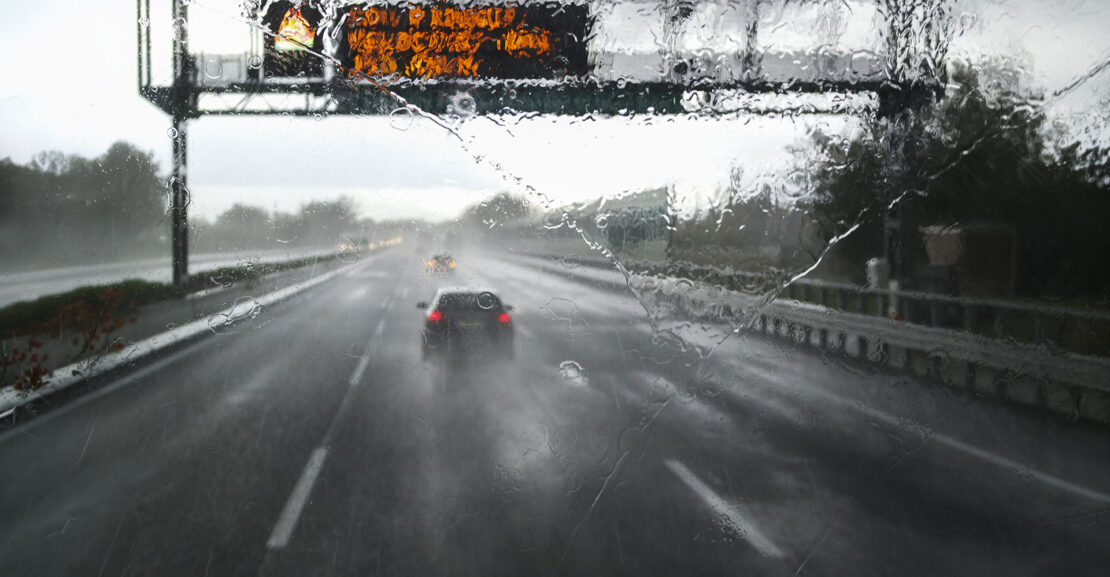
Arizona’s monsoon season has a way of changing the workday fast. A route can begin under bright Phoenix sun, then run into blowing dust, heavy rain, reduced visibility, standing water, and high wind before the driver reaches the next stop.
For commercial fleets, that kind of weather is more than an inconvenience. It can expose weak maintenance habits, delay deliveries, strain equipment, and put trucks in rough conditions at exactly the wrong time. That is why commercial truck maintenance in Arizona needs to account for the season ahead, not just the miles already on the odometer.
The storms may be unpredictable. Your fleet preparation should not be.
Why Arizona Monsoon Season Demands Fleet Maintenance Planning
Monsoon season is not simply a rainy stretch of the calendar. In Arizona, summer storms often arrive with dust, wind, heat, lightning, sudden downpours, debris, and flooded low spots.
That combination is especially hard on commercial vehicles. Dust gets into filters and around seals. Rain hits roads that may have been dry and oily for weeks. Wind pushes against box trucks, reefers, stakebeds, trailers, and other high-profile vehicles. Then, after the storm clears, the heat comes right back.
For a fleet manager, the issue is not whether bad weather will happen. It is whether the trucks are ready when it does.
A small problem in May can become a route-stopping problem in July. Weak wipers, borderline tires, dirty lights, tired brakes, clogged filters, cracked hoses, and cargo door issues all become more noticeable when a driver is dealing with dust, crosswinds, poor visibility, and traffic slowing down without warning.
That is where planning pays off. The fleets that get ahead of monsoon season usually have fewer surprises when the weather turns ugly.
Start With Visibility Before Dust and Rain Arrive
If a driver cannot see clearly, every other system on the truck becomes harder to manage. Visibility should be one of the first areas addressed before monsoon activity picks up.
Start with the obvious items: windshield wipers, washer fluid, headlights, brake lights, turn signals, marker lights, mirrors, reflectors, and camera lenses. Arizona heat can dry out wiper blades long before they look completely worn. Once dust and rain hit the windshield together, a weak blade can smear more than it clears.
Windshields deserve attention too. Small chips and cracks can worsen with heat, vibration, and sudden temperature changes. A minor visibility issue on a clear day can become a serious distraction during a dust storm or a heavy downpour.
Lights should be checked in real operating conditions, not only during a quick walkaround in bright daylight. Cloudy lenses, weak bulbs, damaged housings, and dirty trailer connections all reduce how well the truck is seen by other drivers. In monsoon weather, being visible matters almost as much as seeing the road ahead.
Fleet teams should also clean backup cameras, side cameras, mirrors, and sensors regularly. Dust builds up quickly, especially on vehicles parked outside or running construction, delivery, produce, refrigerated, or jobsite routes.
Tires Need More Attention During Arizona Storm Season
Tires already work hard in Arizona summer heat. Monsoon season adds wet pavement, road debris, standing water, emergency braking, and changing traction into the mix.
Before the season gets active, fleets should check tire pressure, tread depth, sidewall condition, uneven wear, valve stems, caps, and embedded debris. Dual tires need careful inspection, including the inside tires that are easy to miss during a rushed check.
Inflation is especially important. Underinflated tires generate heat, and Arizona pavement can be unforgiving. Add a heavy load, long route, or storm delay, and a tire that was already stressed may not have much margin left.
Tread also matters. Trucks may spend most of the summer on dry roads, but when storms hit, water can collect fast. Drivers need tires that can handle sudden rain, braking, turns, and lane changes without making an already tense situation worse.
This is also a good time to review load practices. Overloading or uneven loading can increase tire strain and affect handling, especially on high-profile trucks dealing with wind. A truck that feels manageable on a calm morning may behave very differently in storm traffic with a full load.
Brakes Should Be Ready for Sudden Stops and Slick Roads
Monsoon conditions can create the exact driving situations that punish neglected brakes: reduced visibility, wet pavement, traffic backups, debris, panic stops, and drivers around the truck making unpredictable moves.
That makes brake inspection a priority. Fleets should review pads, drums, rotors, hoses, chambers, lines, connections, air leaks, parking brakes, and ABS warnings. Trailers need the same attention as power units. A strong tractor with a neglected trailer is still a risk.
The goal is not only to pass an inspection. The goal is to give the driver a truck that responds properly when the road gets complicated.
Wet pavement after weeks of dry weather can be slick. Dust and rain can reduce visibility so quickly that traffic slows with little warning. If a truck already has weak braking performance, uneven braking, pulling, air system concerns, or delayed response, monsoon season will reveal it.
A good maintenance program catches those issues before drivers have to discover them in traffic.
Steering, Suspension, and Alignment Affect Storm Handling
Wind is one of the most underestimated parts of Arizona monsoon season. It can arrive ahead of the rain, hit in open areas, and create serious handling challenges for taller commercial vehicles.
That is why steering, suspension, shocks, bushings, wheel ends, rims, hubs, and alignment should be part of monsoon preparation. Any pulling, drifting, vibration, or unusual tire wear should be investigated before storm season intensifies.
High-profile vehicles are especially sensitive to sudden gusts. Box trucks, reefers, vans, trailers, and stakebeds can all feel the push of crosswinds. If the steering already feels loose or the suspension is worn, the driver has less control when the weather adds pressure.
Alignment is part of the picture too. A truck that tracks poorly can wear tires faster and require more correction from the driver. During long summer days, that fatigue adds up. During a storm, it matters even more.
Good handling does not happen by accident. It comes from maintenance that treats stability as part of uptime.
Dust Can Create Hidden Maintenance Problems
Dust is not only a visibility issue. It is a maintenance issue that can keep affecting the truck after the storm has passed.
Arizona dust can collect around air filters, cabin filters, radiator surfaces, condensers, sensors, cameras, electrical connections, door tracks, hinges, cargo seals, and reefer components. Some of it is obvious. Some of it is not.
Engine air filters should be inspected more often during dusty stretches, especially for trucks running routes near construction zones, open lots, rural roads, jobsites, or areas where storm outflows kick up heavy dust. Cabin filters matter too. A clogged cabin filter can affect driver comfort, airflow, and windshield clearing.
Cooling areas also deserve attention. Dust and debris can reduce airflow through radiators and condensers, which is a problem when Arizona heat returns after the storm. A truck may make it through the weather event, then struggle later because the cooling system is coated and working harder than it should.
Post-storm cleaning and inspection should be routine. Lights, lenses, cameras, mirrors, grilles, steps, door seals, and cargo areas should be checked after heavy dust events. The storm may be over, but the truck may still be carrying it.
Cooling Systems Still Matter When Rain Is in the Forecast
It is easy to focus on rain and forget that monsoon season is still part of Arizona summer. Heat remains a major factor before, during, and after the storms.
Cooling systems should be inspected before the season is in full swing. That includes coolant level and condition, radiator cleanliness, belts, hoses, fan operation, water pumps, clamps, and signs of leaks. Small cooling problems tend to get worse under heat, load, traffic, and idling.
A storm delay can leave trucks sitting longer than expected. A road closure can force slower routes. A driver may spend more time idling in traffic with the A/C running. If the cooling system is already marginal, those conditions can push it over the edge.
Batteries and electrical systems also deserve a look. Heat is tough on batteries, and storm conditions can increase electrical demand through lights, wipers, A/C, liftgates, reefers, and accessories. Loose connections or weak batteries can create avoidable downtime.
The key is simple: rain does not cancel heat-related maintenance. In Arizona, the two often show up in the same season.
Cargo Areas, Liftgates, and Truck Bodies Need Storm Prep Too
Commercial truck maintenance in Arizona should go beyond the cab and chassis. The body of the truck often determines whether the job can actually get done.
Roll-up doors, swing doors, liftgates, hydraulic lines, hinges, latches, seals, interior lighting, reefer box doors, drains, tie-down points, tarps, straps, chains, and binders should all be inspected before monsoon weather becomes a regular factor.
Water intrusion can damage cargo. Dust can affect door tracks and seals. Wind can turn unsecured equipment into a hazard. Liftgate problems can delay a delivery even when the truck itself runs perfectly.
For contractors, distributors, production teams, refrigerated operators, service companies, and local delivery fleets, the details matter. A truck that starts, drives, and stops still needs to load, protect, and deliver what is inside.
Storm prep should include the equipment that makes the truck useful.
Build a Monsoon Pre-Trip and Post-Storm Routine
A strong maintenance plan works best when drivers and shop teams follow a consistent routine. During monsoon season, that routine should be a little more focused.
Before dispatch, drivers should check tires, lights, brakes, wipers, washer fluid, mirrors, cameras, cargo securement, emergency equipment, and weather conditions. They should also know how to report vehicle concerns quickly, without those notes getting buried until the next scheduled service.
After a dust storm or heavy rain event, the truck should get another look. Check for debris, tire damage, dirty lenses, clogged filters, cargo leaks, loose seals, liftgate issues, warning lights, and driver-reported changes in handling or braking.
This does not have to become complicated. In fact, the best routines are usually simple enough to be followed every time. The point is to make storm-related wear visible before it turns into downtime.
Monsoon season rewards fleets that pay attention twice: once before the truck leaves, and again after it comes back.
Route Planning and Maintenance Planning Should Work Together
Maintenance teams and dispatch teams should not operate in separate worlds during Arizona monsoon season. Weather affects routing, timing, equipment selection, and vehicle readiness.
If storms are likely, dispatchers may need more flexibility in delivery windows. Drivers may need safer places to stop if visibility drops. Higher-risk routes may call for stronger equipment choices. Trucks with unresolved maintenance concerns should not be sent into conditions that are likely to magnify the problem.
Fleet history can help too. If certain units repeatedly have cooling issues, tire problems, electrical concerns, or liftgate trouble, those trucks should be addressed before peak storm activity. The same goes for routes that regularly expose vehicles to dust, debris, heat, or rough stops.
Planning does not eliminate disruption. It gives the fleet better options when disruption arrives.
How Rentals and Leasing Can Support Arizona Fleet Reliability
Even well-managed fleets can run into capacity pressure during storm season. A truck may need repair. A delivery window may shrink after a weather delay. A seasonal project may require extra equipment. A reefer unit, box truck, stakebed, or sleeper may be needed faster than ownership plans allow.
That is where rentals and leasing can help. Short-term rentals can keep work moving while owned vehicles are serviced. Longer-term leasing can support businesses that want dependable equipment without carrying every maintenance responsibility in-house. For growing Arizona operations, flexible capacity can be the difference between scrambling and staying organized.
The real question is not only how many trucks a company has on paper. It is how many reliable trucks are available when weather, heat, dust, and customer expectations all arrive at the same time.
Suppose U Drive supports commercial fleets with rental, leasing, and maintenance options designed around real operating needs. For Arizona businesses preparing for monsoon season, that kind of flexibility can be valuable before the first major storm hits.
Final Thoughts on Commercial Truck Maintenance in Arizona
Arizona monsoon season brings a difficult mix of dust, wind, rain, heat, debris, and sudden delays. Some of that is outside a fleet’s control. Vehicle readiness is not.
By inspecting visibility systems, tires, brakes, steering, suspension, cooling systems, filters, cargo areas, liftgates, and electrical components before the season gets rough, fleet operators can reduce preventable downtime and give drivers better equipment in harder conditions.
A prepared fleet is not immune to weather. It is simply better positioned to handle it.
For businesses in Phoenix and across Arizona, monsoon prep should be part of the summer maintenance calendar. Fix the small things early. Clean up after dust events. Listen to driver reports. Keep backup options available. And when extra capacity or maintenance support is needed, Suppose U Drive is ready to help keep your fleet moving.
FAQs
When should Arizona fleets start monsoon maintenance prep?
Fleets should begin before monsoon activity becomes consistent, ideally in late spring or early summer. Waiting until storms are already affecting routes can create scheduling pressure and make small repairs harder to manage quickly.
What are the most important truck maintenance items before monsoon season?
Visibility, tires, brakes, lights, wipers, cooling systems, air filters, cargo seals, liftgates, and electrical connections should all be reviewed. These systems are directly affected by dust, rain, wind, heat, and storm-related delays.
Why is dust so hard on commercial trucks?
Dust can clog filters, coat lights and cameras, reduce cooling efficiency, collect around seals and hinges, and affect visibility. It can also hide in areas that are easy to overlook during a quick inspection.
Are box trucks and reefers more affected by monsoon winds?
High-profile vehicles such as box trucks, reefers, trailers, stakebeds, and vans can be more affected by crosswinds and sudden gusts. Steering, suspension, tires, and load balance are especially important for these vehicles.
Can renting trucks help during Arizona monsoon season?
Yes. Rentals can help fleets cover vehicles that are down for maintenance, add temporary capacity during weather-related schedule compression, or support seasonal work without requiring a long-term equipment purchase.