

Before Triple Digits Hit: A Southwest Fleet Maintenance Checklist for Arizona Heat
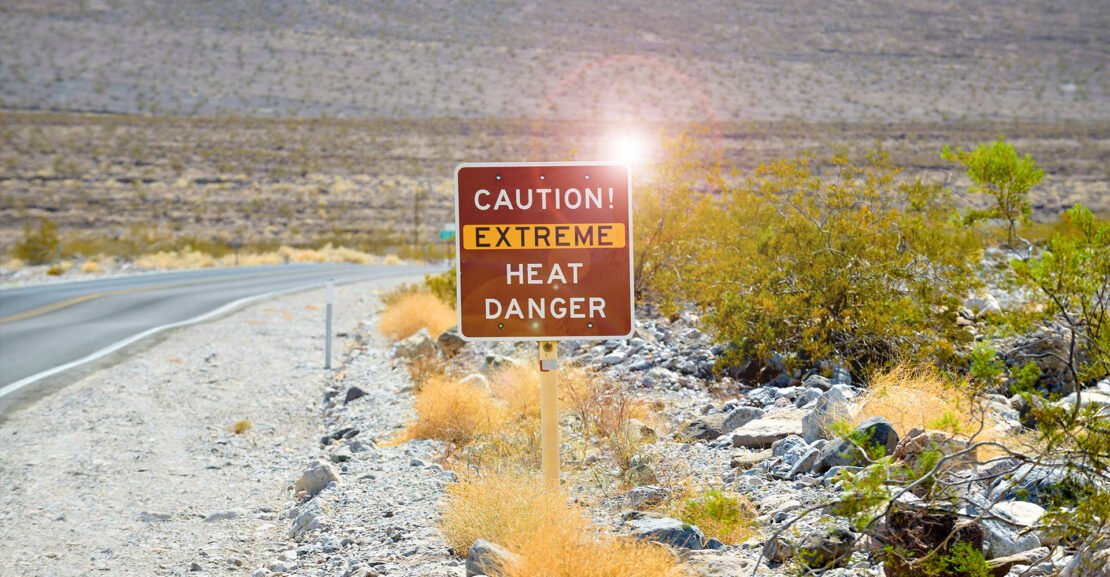
Arizona heat has a way of turning small maintenance issues into urgent operational problems.
A tire that was slightly low in April can become a roadside delay in June. A cooling system that seemed fine on a mild morning can start struggling under triple-digit afternoon heat. A weak battery, aging belt, clogged filter, or underperforming A/C system may not feel like a fleet-wide concern until trucks are already on routes, drivers are uncomfortable, and dispatch is trying to keep the day from unraveling.
That is why fleet maintenance in Phoenix and across the Southwest has to start before the worst heat arrives. Once temperatures climb, the maintenance conversation changes. It becomes less about convenience and more about uptime, driver readiness, customer commitments, and avoiding preventable failures during the most demanding part of the year.
Arizona fleets do not need a complicated strategy. They need a smart one. The checklist starts early, focuses on the systems most affected by heat, and gives fleet managers time to fix small problems before they become expensive ones.
Why Phoenix fleet maintenance should start before triple digits
In the Southwest, summer does not arrive all at once. It builds. The mornings get warmer. The pavement holds heat longer. Trucks idle harder. A/C systems run all day. Delivery windows get tighter as drivers and equipment work through tougher conditions.
For Phoenix-area fleets, that gradual ramp-up is the warning sign.
The best time to prepare is not when the first major heat wave hits. By then, repair schedules are tighter, parts availability may be more strained, and every truck pulled from service creates more pressure on the rest of the fleet. Preventive maintenance works best when it happens before the environment starts testing every weak point at once.
Heat does not create every failure from scratch. More often, it exposes what was already wearing down.
That is the key mindset. A pre-summer fleet inspection is not just a maintenance task. It is a way to protect capacity, keep drivers moving, and reduce the odds that an avoidable issue becomes a route disruption.
Start with cooling system inspections before Arizona heat peaks
The cooling system is one of the first places fleets should look before sustained heat sets in. In normal conditions, a marginal cooling system may appear to perform well enough. In Arizona summer conditions, “good enough” can disappear quickly.
The goal is simple: make sure the system can handle long days, high ambient temperatures, traffic, idling, and heavy loads without pushing the engine into dangerous territory.
Cooling system inspections should include coolant levels, coolant condition, pressure testing, radiator condition, hoses, clamps, belts, caps, fan operation, charge air coolers, and signs of leaks or seepage. Radiator screens and cooling packages should also be checked for debris, dust, bugs, and buildup that can restrict airflow.
That last point matters in the Southwest. Desert dust, construction zones, and regional highway miles can leave cooling components dirtier than expected. A truck does not need a dramatic failure to overheat. Sometimes it only needs restricted airflow, aging coolant, and a long afternoon in Phoenix traffic.
Fleets should also pay attention to patterns. If one unit has repeated high-temperature alerts, unexplained coolant loss, or driver complaints about heat performance, that truck should be flagged before summer demand increases.
Tire pressure is a heat issue, not just a safety check
Tires take a beating in Arizona. Hot pavement, heavy loads, regional miles, stop-and-go routes, and long summer days all raise the stakes.
That makes tire maintenance one of the most important parts of any Southwest fleet maintenance checklist.
Pressure should be checked when tires are cold, ideally before trucks leave the yard. Fleets should avoid bleeding pressure from hot tires after they have been running, since heat naturally increases pressure during operation. What matters is whether the tire is properly inflated before it starts the day.
Underinflation creates flex. Flex creates heat. Heat increases the risk of tire damage, casing failure, and roadside events. For fleets trying to protect uptime, this is one of the most preventable problems on the list.
The inspection should go beyond pressure. Look for uneven wear, sidewall cracking, exposed cords, punctures, bulges, valve stem issues, tread depth concerns, and dual tire spacing problems. Trucks carrying heavier loads or running longer regional routes deserve extra attention.
In Phoenix, tire maintenance is not just about tread life. It is about heat, pressure, pavement, load, and timing.
Battery testing matters before the first serious heat wave
Many fleet teams think about battery failure during cold weather. That makes sense. But heat can be just as hard on batteries, especially older ones or those already near the end of their service life.
High temperatures can accelerate battery wear and expose weak charging systems. In commercial vehicles, the demand is often bigger than a simple start-and-go cycle. Liftgates, refrigeration units, telematics, dash cameras, lighting, power accessories, and repeated stops all add stress.
Before summer, fleets should load-test batteries, inspect terminals, clean corrosion, check cables, confirm secure mounting, and review alternator performance. Trucks with slow starts, intermittent electrical issues, or older batteries should be prioritized.
This is one of those maintenance items that can feel minor until it is not. A weak battery may start the truck in the morning and still fail later in the day after heat soak, accessory use, and repeated cycling. That kind of failure is frustrating because it often feels sudden, even when the warning signs were there.
Air conditioning affects driver readiness and route performance
In Arizona, cab A/C is not a comfort bonus. It is part of keeping the truck usable, the driver focused, and the route moving.
A vehicle can technically run with poor A/C, but that does not mean it is operating well. Drivers working through Phoenix heat need a cab environment that supports alertness and endurance, especially on local delivery routes, dock-heavy schedules, and jobs with frequent stops.
Pre-summer A/C checks should include refrigerant levels, compressor performance, blower operation, condenser condition, cabin air filters, vents, leaks, and airflow. If a system was weak last summer, it should not be ignored until drivers start reporting the same issue again.
Fleet managers should also make A/C performance part of driver feedback. Drivers often notice small changes before a system fails completely. Reduced airflow, inconsistent cooling, strange noises, or unusual odors can all point to problems worth checking early.
Once temperatures are in the triple digits, a struggling A/C system becomes more than an inconvenience. It becomes a productivity issue.
Belts, hoses, clamps, and filters deserve more attention than they get
Not every heat-related failure starts with a major component. Sometimes the issue is a belt that has aged out, a hose that has softened, a clamp that has loosened, or a filter that has been asked to do too much for too long.
These are not glamorous maintenance items. They are easy to overlook. They are also exactly the kinds of parts that can stop a truck from completing its route.
Belts should be inspected for cracking, glazing, fraying, tension problems, and wear. Hoses should be checked for brittleness, swelling, soft spots, leaks, rubbing, and visible damage. Clamps and connection points should be inspected carefully, especially around cooling systems and high-heat areas.
Filters matter too. Engine air filters, fuel filters, and cabin air filters can all affect performance. In dusty Southwest conditions, clogged filters can reduce efficiency and strain systems that are already working hard.
Heat does not need a dramatic opening. It only needs one overlooked part at the wrong time.
Brakes, fluids, and lubricants need a heat-season review
A strong heat-readiness plan should look beyond the obvious. Cooling systems and tires usually get attention first, but brakes, fluids, and lubricants also need a pre-summer review.
Brakes should be inspected for wear, adjustment, air system issues, heat stress, and any signs that performance is declining. Trucks operating loaded, on regional routes, in stop-and-go traffic, or across grade changes need special attention. Heat adds stress, and repeated braking cycles can magnify existing wear.
Fluids deserve the same scrutiny. Engine oil, transmission fluid, coolant, differential fluid, hydraulic fluid, and power steering fluid should all be checked for level, condition, leaks, contamination, and service timing.
The question is not only whether the truck is current on its normal service interval. The better question is whether that interval still makes sense for the way the truck is being used in high heat.
A unit that idles heavily, runs loaded, works long days, or cycles through demanding routes may need closer attention than a calendar-based schedule suggests.
Refrigerated trucks need extra pre-summer attention
For refrigerated fleets, Arizona heat adds another layer of risk. The truck has to perform, but so does the temperature-control system protecting the cargo.
That makes reefer maintenance a critical part of Southwest summer planning.
Before peak heat, fleets should inspect refrigeration units, belts, filters, coolant, oil levels, batteries, fuel systems, sensors, alarms, drains, condenser coils, evaporator coils, and temperature tracking systems. Door seals, insulation, strip curtains, and airflow paths should also be reviewed.
Cold-chain work is unforgiving. A delay is one problem. A temperature excursion is another. For food, beverage, floral, produce, or other temperature-sensitive freight, equipment reliability directly affects customer trust.
Driver habits also matter. Loading practices, door-open time, pre-cooling, route planning, and communication with dispatch can all influence how well the system performs in extreme heat.
In the Southwest, refrigerated fleet maintenance is not only about the vehicle. It is about protecting the load.
Build a Southwest fleet maintenance schedule around the heat curve
A checklist is helpful, but a schedule is better. Phoenix heat has a rhythm, and fleet maintenance should match it.
March and April are ideal for deeper inspections. This is the time to review cooling systems, tires, batteries, A/C, belts, hoses, filters, brakes, fluids, and maintenance records. It is also the right window to identify which units are most vulnerable before the pressure of summer demand arrives.
May should be treated as a transition month. As 100-degree days become more common, fleets should increase attention to tire pressure routines, A/C performance, coolant issues, driver reports, and units with early warning signs.
June through August should become the active heat-season rhythm. Yard checks should be consistent. Driver feedback should be reviewed quickly. Roadside events, repair trends, overheating issues, and tire problems should be tracked. If the same type of problem keeps appearing, the maintenance plan should adjust.
The best fleets do not treat summer as a surprise. They treat it as a known operating condition.
Flexible rentals can help protect uptime during maintenance windows
Even the best preventive maintenance plan can create a short-term capacity challenge. Trucks may need to be pulled from service. Repairs may take longer than expected. Seasonal demand may rise at the same time maintenance needs increase.
That is where flexible fleet planning becomes useful.
For Phoenix and Southwest fleets, rentals can help cover routes while primary vehicles are being serviced, repaired, or rotated through inspections. They can also give companies breathing room during seasonal spikes, new contracts, or unexpected heat-related downtime.
At Suppose U Drive, we support businesses that need practical vehicle access without overcommitting to long-term equipment decisions. For fleets preparing for Arizona heat, that flexibility can be part of a broader uptime strategy.
The goal is not to replace maintenance. The goal is to make maintenance easier to schedule without leaving the operation short.
Prepare before the heat starts making decisions for you
Arizona heat is predictable. Fleet breakdowns do not have to be.
Before triple digits hit, fleet managers have an opportunity to get ahead of the season. Cooling systems can be tested. Tires can be checked. Batteries can be evaluated. A/C systems can be serviced. Belts, hoses, filters, brakes, fluids, and refrigerated units can be reviewed before the hardest part of the year begins.
That early attention matters.
For fleets operating in Phoenix and across the Southwest, summer readiness is really about control. It gives businesses more room to plan, more confidence in their equipment, and a better chance of keeping trucks on the road when customers are counting on them.
Heat will always test the fleet.
A smart maintenance plan helps make sure the fleet is ready.