

Top 5 Trends Shaping Fleet Management in 2025
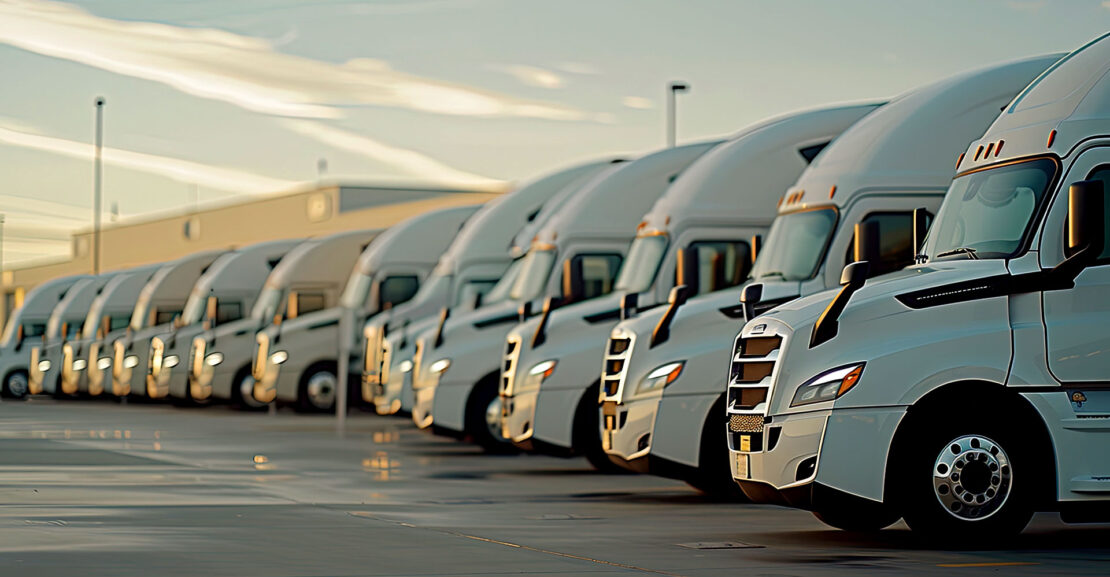
The trucking industry is no stranger to change, and as 2025 approaches, the pace of evolution is accelerating. Technology is reshaping how fleets operate, regulations are tightening, and customer expectations are climbing higher than ever. These shifts present not only challenges but also opportunities waiting to be seized.
Preparing for the year ahead means staying ahead. Success comes from more than adapting to trends; it requires anticipating them and positioning your fleet to thrive amid transformation. Whether it’s leveraging new technologies, navigating regulatory hurdles, or meeting rising demands for efficiency and sustainability, 2025 offers a chance to redefine success. The road ahead isn’t without bumps, but with the right approach, it’s full of potential.
1. Technological Advancements
The trucking industry is undergoing a technological revolution, bringing tools that empower drivers, enhance safety, and boost operational efficiency. These innovations are designed to support drivers, not replace them, ensuring their expertise remains central to fleet operations.
Data Analytics and Artificial Intelligence: AI-powered tools are driving a new era of fleet management by simplifying complex tasks and providing actionable insights. Predictive maintenance systems help detect potential mechanical issues early, reducing costly breakdowns and keeping drivers safe on the road. AI-driven route optimization not only saves time and fuel but also reduces stress for drivers by identifying the most efficient and least congested paths. These advancements allow drivers to focus on their expertise while enhancing overall performance.
Driver-Centric Technologies: Technologies like in-cab coaching systems and adaptive cruise control prioritize driver well-being. In-cab systems provide real-time feedback to encourage safe driving habits and improve performance without being intrusive. Adaptive cruise control helps maintain a safe following distance, reducing fatigue during long hauls. These innovations ensure that drivers feel supported and empowered, not replaced, by technology.
Telematics Integration: Telematics platforms provide a holistic view of fleet operations, offering insights into vehicle performance, driver behavior, and operational efficiency. These systems are easy for drivers to use and enhance communication between the fleet manager and the driver, ensuring smoother operations and faster issue resolution.
By embracing driver-focused technologies, fleets can enhance safety, efficiency, and job satisfaction, ensuring their team is equipped and supported for the challenges and opportunities of 2025.
2. Regulatory Changes
In 2025, the trucking industry faces a wave of regulatory shifts that demand attention and adaptation. These changes, while challenging, also create opportunities for fleets to improve operations and align with the industry’s future.
Emissions Standards: Stricter emissions regulations are reshaping how fleets operate. Governments worldwide are enforcing new standards to combat climate change, pushing for reduced greenhouse gas emissions. This means older, less efficient vehicles may soon be non-compliant, compelling fleets to transition to cleaner technologies like electric trucks or advanced emission-control systems. While the upfront costs of modernization can be significant, the long-term benefits such as reduced fuel consumption, lower environmental impact, and eligibility for government incentives can outweigh the investment.
Safety and Compliance: Evolving safety protocols are raising the bar for fleet management. Enhanced electronic logging requirements, new vehicle safety standards, and stricter enforcement of driver hours-of-service rules are just a few of the changes on the horizon. These measures aim to improve road safety and reduce accidents, but they also require fleets to stay vigilant and compliant. Investing in training programs, upgrading fleet technology, and maintaining clear, up-to-date records will be critical to meeting these new standards and avoiding penalties.
Navigating these regulatory changes requires more than staying compliant. It means using them as a catalyst for growth. By embracing cleaner technologies and prioritizing safety, fleets can build stronger, more resilient operations in 2025 and beyond.
3. Economic Factors
Economic shifts are a constant force in the trucking industry, shaping freight demand, pricing, and supply chain strategies. As 2025 looms, understanding and preparing for these dynamics is essential for fleet operators to stay competitive and resilient.
Market Volatility: Market volatility is expected to continue influencing freight demand and pricing structures. Economic fluctuations, such as changes in consumer spending, inflation, and geopolitical events, create an unpredictable environment for carriers. During economic slowdowns, reduced freight volumes can pressure pricing, while growth periods may strain capacity, driving rates higher. Fleet managers must stay agile, leveraging flexible fleet options and strategic partnerships to adapt to demand swings and maintain profitability in any economic climate.
Supply Chain Dynamics: The supply chain landscape is shifting as businesses rethink their strategies to mitigate disruptions. Nearshoring, or bringing production closer to the end consumer, is gaining traction as companies aim to reduce reliance on distant suppliers and minimize risk. Diversification of supply sources is another growing trend, creating a more complex but resilient logistics network. These changes place new demands on trucking fleets, requiring enhanced adaptability to manage shorter, more frequent routes or connect to new distribution points.
Economic factors are unpredictable, but preparation is key. By focusing on flexibility, efficiency, and strategic partnerships, fleets can weather the ups and downs, turning challenges into opportunities for growth and success in 2025.
4. Workforce Development
The backbone of the trucking industry is its workforce, yet the challenges of driver shortages and skill gaps are becoming increasingly prominent. As 2025 approaches, investing in workforce development is critical to ensuring fleet success.
Addressing Driver Shortages: The trucking industry continues to grapple with driver shortages due to an aging workforce, high turnover rates, and difficulties attracting younger talent. To combat this, fleets must implement innovative recruitment and retention strategies. Competitive pay, comprehensive benefits, and flexible scheduling are key incentives to attract drivers. Additionally, fostering a supportive company culture, offering clear career growth opportunities, and recognizing drivers’ contributions can significantly improve retention rates. Building relationships with vocational schools and apprenticeship programs can also create a pipeline for new talent.
Training and Skill Enhancement: As the industry adopts advanced technologies and faces stricter regulations, upskilling drivers has never been more important. Training programs that focus on operating electric or semi-autonomous vehicles, understanding new compliance requirements, and utilizing advanced telematics systems empower drivers to stay ahead of industry changes. Continuous education not only boosts operational efficiency but also enhances job satisfaction, showing drivers that their growth and expertise are valued.
A strong, well-prepared workforce is essential for navigating the challenges of 2025. By prioritizing recruitment, retention, and training, fleets can build a team equipped to drive success in a rapidly evolving industry.
5. Customer Expectations
Meeting customer expectations is becoming a central focus for fleets as the trucking industry evolves. In 2025, delivering exceptional service means addressing demands for transparency and sustainability with innovative solutions.
Demand for Transparency: In today’s fast-paced world, customers expect to know where their shipments are at all times. Real-time tracking and clear communication have moved from “nice-to-have” to “must-have” features. Advanced telematics and GPS technologies allow fleets to provide instant updates, keeping clients informed and reassured. Transparency extends beyond tracking, as customers also want detailed insights into delivery timelines and any potential delays. Proactively addressing these expectations builds trust and sets fleets apart in a competitive market.
Sustainability Concerns: Sustainability has shifted from being a trend to becoming a core expectation for many customers. Businesses and consumers alike are prioritizing environmentally responsible transportation solutions. Fleets that adopt green technologies, such as electric vehicles or alternative fuels, and implement fuel-efficient practices position themselves as partners in sustainability. Highlighting these efforts in customer communications and marketing can enhance loyalty while aligning with broader corporate social responsibility goals.
By focusing on transparency and sustainability, fleets can not only meet but exceed customer expectations, ensuring strong relationships and continued success in the coming year.
How Suppose U Drive Can Assist
Suppose U Drive is your trusted partner in navigating the challenges and opportunities that 2025 brings. With a range of services designed to modernize fleets, ensure compliance, and optimize operations, we’re here to help you stay ahead of the curve.
Fleet Modernization: Keeping your fleet updated with the latest vehicles is essential in today’s fast-changing industry. Suppose U Drive provides access to a wide variety of readily accessible and meticulously maintained vehicles to help you meet sustainability goals and improve operational efficiency. Whether you need temporary rentals or long-term leasing, we have the solutions to keep your fleet competitive.
Compliance Support: Regulatory changes can be daunting, but you don’t have to face them alone. Our team offers expert guidance and resources to help you navigate emissions standards, safety protocols, and other compliance requirements. With Suppose U Drive, staying compliant is simple, allowing you to focus on running your business.
Customized Solutions: Every fleet is unique, and so are its challenges. That’s why Suppose U Drive specializes in tailored fleet management strategies. We work with you to develop solutions that address your specific operational needs and adapt to market demands, ensuring your fleet runs smoothly and efficiently.
As 2025 approaches, Suppose U Drive is ready to partner with you for success. With our expertise and services, you can confidently tackle the year’s challenges and unlock its full potential.
Driving Toward Success: Preparing for 2025 and Beyond
The trucking industry is poised for significant transformation in 2025, with technological advancements, evolving regulations, economic shifts, workforce development needs, and changing customer expectations all driving the road ahead. These trends present both challenges and opportunities, making it essential for fleets to stay informed, adaptable, and forward-thinking.
Strategic preparation is the key to thriving in this dynamic landscape. By investing in innovative technologies, maintaining compliance, building a skilled workforce, and exceeding customer expectations, fleets can position themselves for success. Partnering with Suppose U Drive ensures you have the tools, guidance, and customized solutions needed to navigate these changes confidently.
As the new year approaches, take the opportunity to prepare your fleet not only to adapt but to excel. Together with Suppose U Drive, 2025 can be a year of growth, resilience, and success. The future is full of possibilities, and it’s time to drive toward them.